
How To
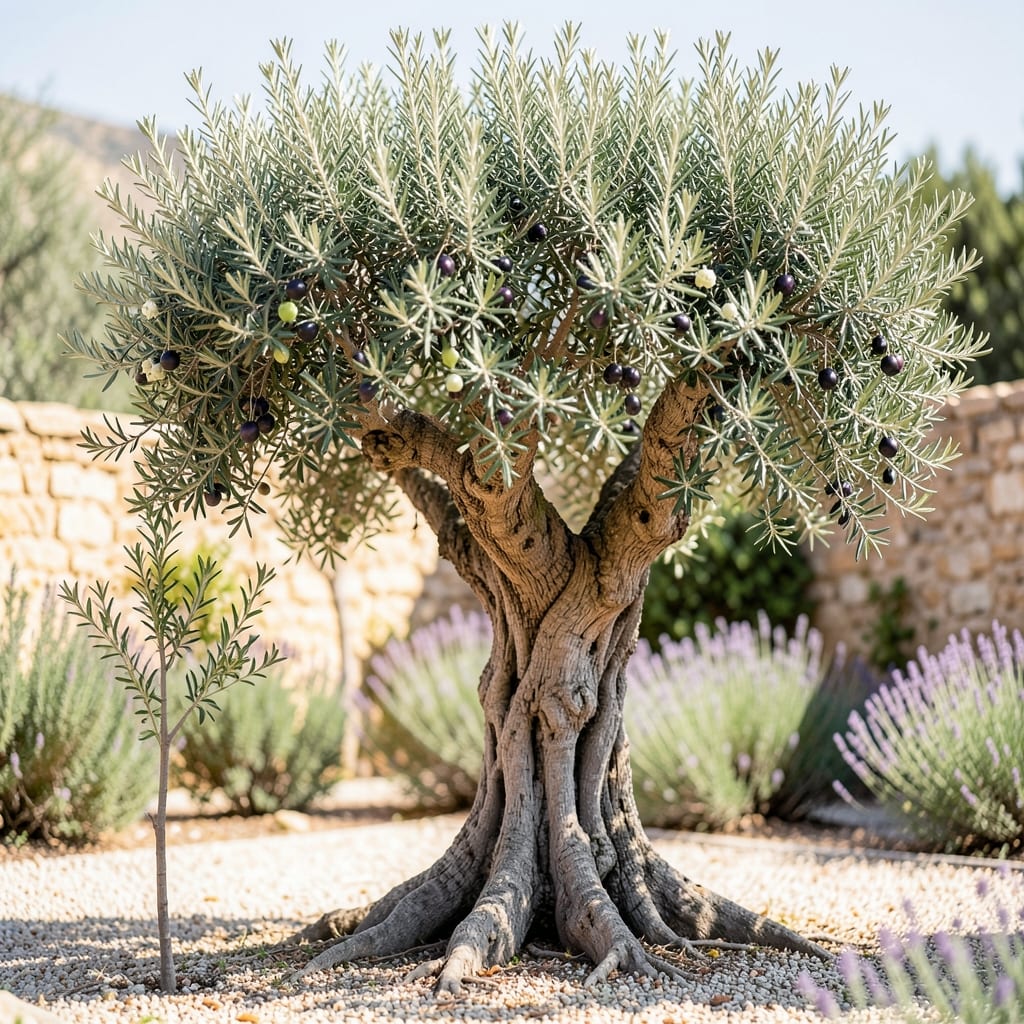
If you’ve ever wondered how tall an olive tree can grow while dreaming of cultivating one in limited space, you’re not alone. The truth is, how tall an olive tree can grow depends on far more than just its variety—it's a mix of pruning habits, soil conditions, and even where you live.
Some olive trees stay manageable at just 10-15 feet, perfect for containers or small urban gardens, while others can stretch toward 50-80 feet in ideal Mediterranean climates. The key? Understanding which varieties fit your space and how to shape them through smart pruning techniques.
In this guide, I'll break down the height ranges of popular olive tree varieties and share proven methods to control their growth. Whether you're after a compact ornamental tree or a productive fruit-bearing giant, you'll learn how to keep your olive tree at the perfect height for your needs.
From dwarf varieties that thrive in pots to standard trees that need room to spread, we'll cover everything—so you can grow the olive tree of your dreams without sacrificing your backyard (or sanity!). Let's get started.


Olive tree height by variety: dwarf to giant growth potential
Olive trees (Olea europaea) can range from compact dwarf varieties perfect for containers to towering standard trees reaching 80 feet in ideal conditions. The variety you choose determines not just height but also fruit quality, cold hardiness, and growth rate. For example, the Arbequina stays under 20 feet, while the Frantoio can soar past 50 feet when unpruned. Let’s break down the most popular varieties and their mature heights to help you pick the right fit for your space.
If you’re growing olives for edible fruit, taller varieties like Manzanillo (25-40 ft) or Mission (30-50 ft) are excellent choices. However, if you’re limited to urban gardens or patios, dwarf varieties like Little Ollie (8-12 ft) or Arbequina (10-20 ft) are far more manageable. The key is matching the variety to your climate zone—some thrive in USDA Zone 8, while others need Zone 10 warmth to reach their full height potential.
Here’s a quick comparison of dwarf vs. standard olive trees to help visualize the differences before we dive deeper:
| Variety | Mature Height (ft) | Best For | Climate Zone |
|---|---|---|---|
| Arbequina | 10–20 ft | Containers, small gardens | 8–10 |
| Little Ollie | 8–12 ft | Patios, urban yards | 7–10 |
| Manzanillo | 25–40 ft | Large yards, edible fruit | 8–10 |
| Frantoio | 30–50 ft | Rural properties, orchards | 9–10 |
| Mission | 30–50 ft | Edible olives, warm climates | 8–10 |
One critical factor influencing height is root restriction. Olive trees planted in containers or small root zones (like raised beds) will naturally stay shorter—often 30–50% smaller than their ground-planted counterparts. For instance, a Mission olive tree in a 20-gallon pot might max out at 15–20 feet, while the same variety in the ground could reach 40 feet. This makes container growing ideal for dwarf varieties but less practical for taller types unless you’re committed to annual pruning.
Another game-changer is growth rate. Dwarf varieties like Arbequina grow 1–2 feet per year, while standard trees like Frantoio can add 3–5 feet annually in perfect conditions. If you’re impatient, fast-growing varieties like Kalamata (20–30 ft) are a great middle ground—they produce edible fruit sooner while staying manageable. Just be prepared for aggressive pruning if you want to keep them under control.
For ornamental purposes, taller varieties like Frantoio or Leccino create stunning focal points in Mediterranean-style gardens, but they require ample space and regular pruning to prevent them from becoming unruly. If your goal is low-maintenance beauty, opt for semi-dwarf varieties like Barouni (15–25 ft), which strike a balance between height and manageability. These trees often produce smaller olives but make up for it with disease resistance and compact growth habits.
Cold hardiness also plays a role in height potential. Varieties like Arbequina can tolerate USDA Zone 7 with proper winter protection, but they’ll grow slower and stay shorter than heat-loving types like Mission in Zone 10. If you’re in a cooler climate, focus on dwarf or semi-dwarf varieties—they’ll thrive where standard trees might struggle or fail entirely. For example, a Little Ollie in Zone 8 might only reach 10 feet, while the same tree in Zone 10 could hit 12–15 feet with ideal care.
Pro tip: If you’re growing for olives, prioritize fruit-bearing varieties like Manzanillo or Mission, even if they’re taller. These types produce larger, more flavorful olives but need full sun (6+ hours daily) and well-draining soil to reach their height and productivity potential. Skimp on sunlight or water, and you’ll end up with a stunted, weak tree—no matter the variety.
Finally, don’t overlook propagation methods. Olive trees grown from cuttings (like Arbequina) often stay true to their dwarf size, while those grown from seeds can become wild, unpredictable giants. If you’re buying a tree, always choose a nursery-grown grafted variety for consistent height and fruit quality. Avoid "seedling" olives unless you’re prepared for a 50-foot surprise down the road!
Pruning techniques to control olive tree height & shape
Pruning is the secret weapon for keeping your olive tree at your desired height. Without regular pruning, even dwarf varieties can grow taller than expected. I’ve found that late winter or early spring—just before new growth begins—is the best time to prune. This encourages strong, healthy growth while maintaining the shape you want. Always use clean, sharp pruning shears to avoid damaging the tree and spreading disease.
For height control, focus on pruning the topmost branches first. This redirects the tree’s energy downward, encouraging bushier growth rather than vertical expansion. If you want a compact, bushy olive tree, prune the center branches to allow sunlight to reach the inner foliage. This prevents dead wood and promotes even growth throughout the tree’s structure.
🌿
⚠️ Common Pruning Mistakes to Avoid
- Over-pruning in one session can stress the tree and stunt growth.
- Pruning too late in the season (after June) removes next year’s fruit buds.
- Using dull or dirty tools can introduce bacterial infections like silver leaf disease.
To encourage a specific shape, like a standard tree or a low, spreading bush, prune selectively. For example, if you want a pyramidal shape, prune the sides more aggressively than the top. If you’re growing an olive tree in a container, prune the roots too—this keeps the tree smaller and more manageable. Just be sure to water deeply after pruning to help the tree recover.
For older olive trees, you can use a technique called heading back, where you cut back the tips of branches to encourage branching lower on the trunk. This is especially useful if your tree has grown too tall and you want to bring it back to a more manageable height. Just remember, olive trees are resilient but not invincible—don’t remove more than one-third of the foliage in a single pruning session.
Finally, if you’re growing olive trees for edible fruit, avoid heavy pruning in the year you expect a harvest. Prune lightly to maintain shape while preserving fruit production. A well-pruned olive tree not only stays at your desired height but also produces healthier fruit and a more attractive silhouette in your garden.
🪴