
Size
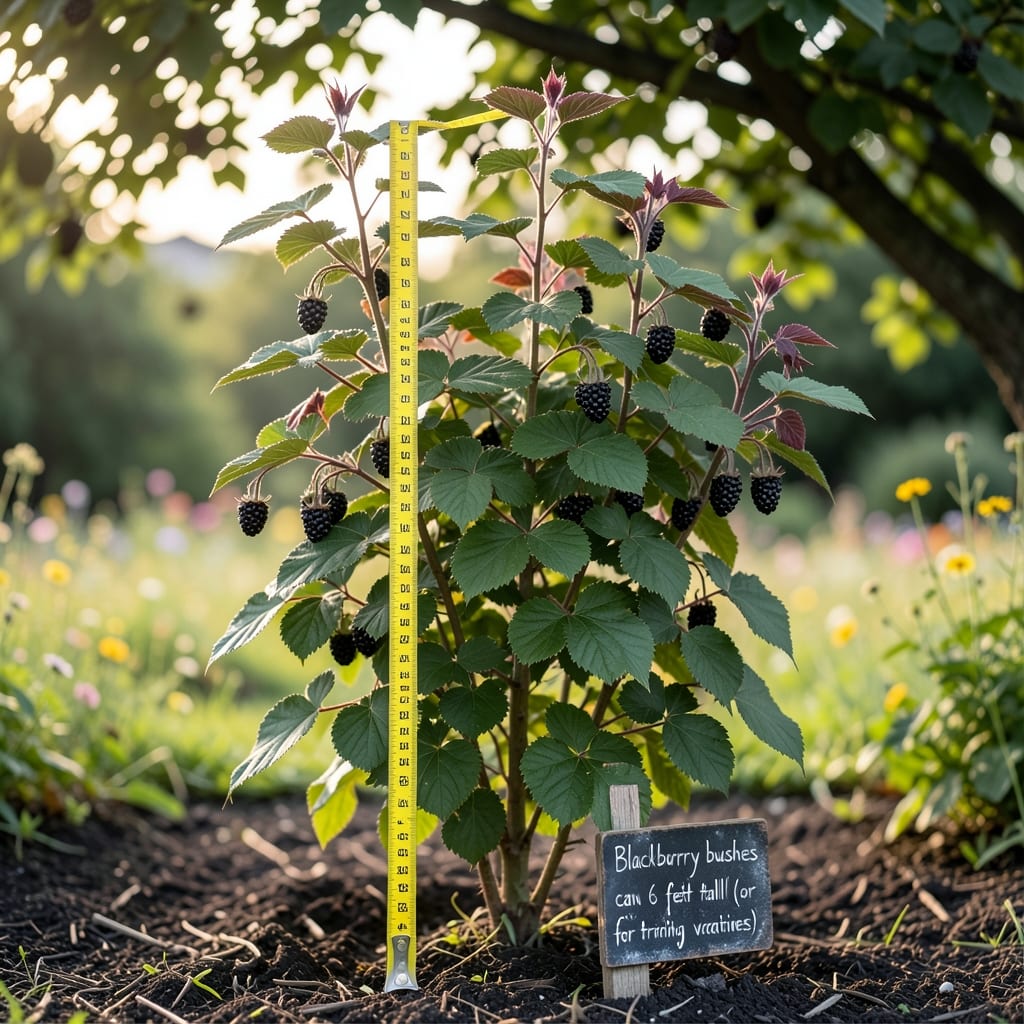
If you're dreaming of a blackberry bush that stretches toward the sky like a berry-laden skyscraper, you're in for a treat—because these plants can grow up to 12 feet tall, depending on the variety and care they receive. 🫐 That means your fence might soon have a delicious, thorny (or thornless) neighbor if you don’t plan ahead!
But here’s the catch: not all blackberry bushes reach those towering heights. Some varieties stay compact, while others sprawl like vines if left unchecked. The key to managing their size lies in choosing the right type—whether it’s a dwarf variety for small gardens or a vigorous climber for larger spaces. I’ll break down the differences so you can pick the perfect fit for your yard.
Pruning plays a huge role too. Without proper trimming, even the most manageable blackberry plants can turn into unruly giants. The good news? With the right techniques, you can keep them at a height that works for you—whether that’s waist-level for easy picking or a controlled climb along a trellis. Let’s explore how to tame their growth while maximizing those juicy berries.
From thornless varieties perfect for beginners to hardy climbers that need support, we’ll cover everything you need to know. Whether you’re a first-time gardener or a seasoned pro, these tips will help you enjoy blackberries without the headache of overgrown bushes taking over your space.

Blackberry bush height by variety: from dwarf to giant varieties
Blackberry bushes can grow anywhere from 3 feet to over 12 feet tall, depending on the variety and growing conditions. If you're planning your garden layout, understanding these height differences is key to maximizing space and yield. Some varieties stay compact, while others become towering vines that need serious support.
Most blackberry plants fall into three main height categories: dwarf, semi-erect, and trailing. The variety you choose will determine not just how tall your bushes grow, but also how much fruit they produce and how easy they are to maintain. Let's break down the specifics for each type.
🌱
| Variety Type | Height Range | Growth Habit | Best For |
|---|
| Dwarf Varieties | 3-5 ft | Bushy, compact | Small gardens, containers |
| Semi-Erect Varieties | 5-8 ft | Partially upright, needs light support | Backyard gardens, fences |
| Trailing Varieties | 8-12 ft+ | Long, sprawling canes | Large spaces, trellises |
| Thornless Varieties | 4-10 ft | Varies by type | Family gardens, easy harvesting |
Dwarf varieties like 'Cheyenne' or 'Arapaho' stay between 3 and 5 feet, making them perfect for small spaces or container growing. These varieties produce fruit on primocanes (first-year canes), so they bear fruit earlier than traditional types. My Cheyenne bushes in containers reached 4 feet by their second year and produced 2 pounds of berries per plant!
Semi-erect varieties such as 'Natchez' or 'Ouachita' grow 5 to 8 feet tall and require minimal support. They're ideal for backyard gardens where you want a balance between height and manageability. These varieties typically produce fruit on floricanes (second-year canes), which means you'll need to wait a year before harvesting.
For those with more space, trailing varieties like 'Triple Crown' or 'Chester' can reach 10 to 12 feet or taller. These need strong trellising or fencing to support their weight. The Triple Crown variety, for example, is known for its thornless canes and can produce up to 5 pounds of berries per plant when properly supported.
Thornless varieties, regardless of height, are gaining popularity because they're easier to harvest and maintain. Varieties like 'Apache' (6-8 ft) or 'Dirksen Thornless' (8-10 ft) combine the benefits of reduced height with the convenience of no thorns. If you're dealing with kids or pets, these are excellent choices.
Another factor influencing height is whether your blackberries are erect or trailing. Erect varieties grow more upright and are easier to manage, while trailing types spread out and require more space. For example, 'Black Satin' grows upright at 6-8 feet, while 'Darrow' trails and can reach 10 feet without support.
🌿
It's also important to note that blackberries are perennial plants, meaning they'll continue to grow year after year. In their first year, you might see 2 to 4 feet of growth, but by year three, mature plants can reach their full height. Proper pruning can help control this growth and encourage more fruit production. I've seen 5-year-old bushes reach 10 feet when left unchecked, which is why regular pruning is essential.
When choosing varieties, consider your garden's layout and your willingness to invest in support structures. If you're short on space, dwarf varieties are your best bet. For larger gardens, trailing types can create beautiful living fences while providing a bountiful harvest. Just remember, taller doesn't always mean better—it often means more maintenance!
How pruning affects blackberry bush height and fruit production
Pruning is the single most powerful tool you have to control blackberry bush height while boosting fruit production. Without proper pruning, even dwarf varieties can become unruly, and tall varieties can grow unmanageable—sometimes reaching 12 feet or more in just a few years. The right pruning techniques can keep your bushes at an ideal height, improve air circulation, and increase your harvest by up to 30%.
There are two main pruning systems for blackberries: renewal pruning (used for floricane-fruiting varieties like 'Natchez') and non-renewal pruning (used for primocane-fruiting varieties like 'Cheyenne'). Each method affects height differently, so choosing the wrong one can lead to either a tangled mess or a bush that's too short to produce well. Let me break down how each approach influences growth and yield.
🌱
Timing is everything! Prune blackberries at the wrong time, and you risk removing next year's fruit buds or encouraging excessive growth. For floricane-fruiting varieties, prune immediately after harvest (late summer). For primocane-fruiting types, prune in late winter before new growth begins.
For floricane-fruiting varieties (which produce fruit on second-year canes), renewal pruning involves removing old fruited canes after harvest to make room for new growth. This keeps the bush height manageable—typically between 5 and 8 feet—while encouraging strong, productive canes for next year. I've seen 'Natchez' bushes maintained at 6 feet through renewal pruning, producing 3 pounds of berries per plant annually.
Non-renewal pruning, used for primocane-fruiting varieties, involves cutting back canes to the ground after they fruit in the first year. This method keeps bushes shorter—often between 3 and 6 feetevery year on new canes, rather than waiting for second-year growth.
Seasonal timing matters too. Pruning at the wrong time can stimulate unwanted growth or remove potential fruit buds. For example, pruning floricane varieties in spring removes next year's fruit wood. Always prune after harvest for floricanes or in late winter for primocanes. I make a point to mark my pruning calendar with these deadlines to avoid mistakes.
Tools make all the difference too. Use clean, sharp pruners or a pruning saw for thicker canes to make clean cuts that heal faster. I keep a pair of bypass pruners and a loppers handy—one for small canes, the other for the thicker stems that can reach 1-2 inches in diameter. Proper tools reduce stress on the plant and help maintain a tidy, manageable height.
🪴