
Size
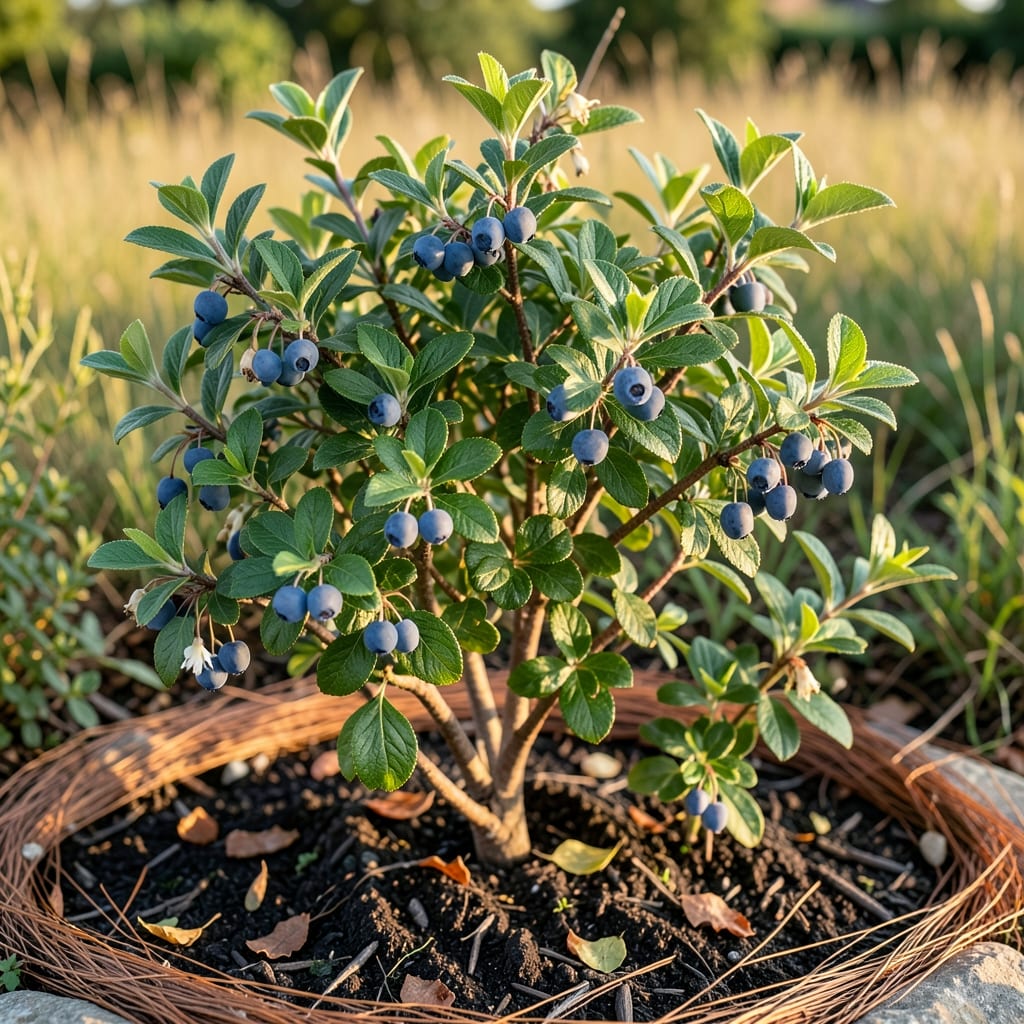
If you're dreaming of a backyard bursting with juicy 🫐 blueberry bushes, you might be surprised to learn how tall blueberry bushes can grow—ranging from a manageable 3 feet to towering 12 feet, depending entirely on the variety you choose. That dramatic difference means your garden layout could change completely based on one simple decision: dwarf or giant?
Let’s cut through the confusion. Dwarf varieties stay compact, perfect for small spaces or containers, while standard types reach heights that demand more room and strategic planning. The right choice affects not just your garden’s look, but also how easy (or challenging) your bushes will be to care for and harvest.
I’ll break down exactly how tall each type grows, what factors influence their height, and—most importantly—how to control their size through smart spacing and pruning. Whether you’re working with a tiny balcony or a sprawling yard, you’ll leave here knowing exactly how to maximize your blueberries without sacrificing space.
Ready to transform your garden into a blueberry paradise? Let’s dive into the heights, the spacing secrets, and the pruning tricks that’ll keep your bushes productive and your yard looking its best.


Blueberry bush height ranges: dwarf to giant varieties explained
Blueberry bushes come in a stunning range of sizes, from dwarf varieties that fit neatly in containers to giant bushes that need serious garden real estate. Understanding these height differences helps you choose the perfect variety for your space while maximizing fruit production. Whether you're working with a small balcony or a large backyard, knowing the mature height of your blueberry bushes is key to their long-term success.
Most blueberry bushes fall into four main height categories: dwarf, semi-dwarf, standard, and giant. Each category has distinct growth habits, spacing needs, and even flavor profiles. For example, dwarf varieties typically stay under 5 feet, making them ideal for containers or tight spaces, while standard varieties can reach 8 to 12 feet, requiring ample room to thrive. Let’s break down each category with real-world examples and practical insights.
🌱 Did You Know? Some blueberry bushes can grow up to 12 feet tall if left unpruned, but proper pruning keeps them at a manageable height while boosting fruit production. The right variety and care can turn even a small garden into a blueberry powerhouse!
| Variety Type | Mature Height | Growth Rate | Best For |
|---|---|---|---|
| Dwarf | 3–5 feet | Slow to moderate | Containers, small gardens, urban yards |
| Semi-Dwarf | 5–7 feet | Moderate | Backyard gardens, mixed borders |
| Standard | 8–12 feet | Fast | Large gardens, orchards, rural properties |
| Giant | 10–15 feet | Very fast | Commercial farms, large estates |
Note: Heights vary by variety and growing conditions.
If you're growing dwarf varieties like ‘Top Hat’ or ‘Peach Sorbet’, you’ll love their compact size—perfect for patio planters or window boxes. These bushes typically mature between 3 and 5 feet, making them ideal for small-space gardening without sacrificing fruit yield. Just be sure to prune them lightly each year to encourage bushier growth and better air circulation.
For semi-dwarf varieties such as ‘Bluecrop’ or ‘Duke’, expect heights of 5 to 7 feet. These are fantastic for backyard gardens where you want a balance between space efficiency and productivity. Semi-dwarf bushes often produce larger berries and are more cold-hardy, making them a favorite among home growers in cooler climates.
When it comes to standard varieties like ‘Jersey’ or ‘Patriot’, you’re looking at 8 to 12 feet of lush, berry-laden growth. These bushes thrive in open garden beds or orchard settings where they can spread out naturally. They’re also excellent for windbreaks or privacy screens due to their height and dense foliage. Just plan for wide spacing—at least 6 feet between plants—to avoid overcrowding.
Finally, giant varieties like ‘Premier’ or ‘Chandler’ can reach 10 to 15 feet, making them better suited for commercial farms or large rural properties. These bushes are powerhouses of production but require significant space, pruning, and maintenance to keep them healthy. If you’re growing them in a home garden, consider dwarfing rootstock or container training to manage their size.
One factor that often surprises new growers is how soil conditions and pruning habits can influence height. For instance, poor soil drainage or over-fertilizing with nitrogen can lead to taller, leggier bushes with fewer berries. On the other hand, regular pruning—especially in late winter—helps control height while stimulating fruit production. Always aim to prune 1/3 of the oldest canes each year to maintain a balanced shape and encourage new growth.
Choosing the right variety for your space is just the first step. Sunlight, soil pH, and watering habits also play a huge role in how tall your blueberry bushes will grow. For example, full sun exposure (6+ hours daily) promotes healthier, more compact growth, while shady spots can lead to taller, weaker stems. Pair your height considerations with these care factors to set your bushes up for success from day one.
Blueberry bush height ranges: dwarf to giant varieties explained
Blueberry bushes come in a surprising range of sizes—some stay as short as a 3-foot dwarf while others reach 12 feet tall like small trees. The variety you choose directly impacts your garden layout, harvest accessibility, and even fruit production. Understanding these height classifications helps you select the perfect bush for your space, whether you're working with a container garden or a sprawling backyard.
Most blueberry bushes fall into four main height categories: dwarf, semi-dwarf, standard, and giant. Each category offers distinct advantages. For example, dwarf varieties are ideal for small spaces or urban gardens, while standard types maximize berry yield in larger plots. The key is matching your bush's mature height to your garden's available space and your pruning commitment.
| Variety Type | Mature Height | Growth Rate | Best For |
|---|---|---|---|
| Dwarf | 3-5 ft | Slow to moderate | Containers, small gardens, urban yards |
| Semi-Dwarf | 5-7 ft | Moderate | Small yards, raised beds, mixed borders |
| Standard | 8-12 ft | Fast to moderate | Large gardens, orchards, high-yield production |
| Giant | 10-12+ ft | Fast | Commercial farms, large rural properties |
Popular dwarf varieties like 'Top Hat' and 'Peach Sorbet' stay under 4 feet tall, making them perfect for container growing. These compact bushes produce early-season berries and thrive in 5-gallon pots with proper acid-loving soil. Meanwhile, standard varieties such as 'Bluecrop' and 'Duke' can reach 10 feet, requiring more space but offering heavier yields over time.
Giant blueberry bushes, like those found in commercial plantings, can exceed 12 feet when unpruned. These massive shrubs need wide spacing (10+ feet apart) and regular structural pruning to maintain health. If you're working with limited space, consider semi-dwarf varieties like 'Patriot' or 'Liberty,' which strike a balance at 5-7 feet tall while still producing abundant fruit.
Remember that height isn't the only factor—spread matters too. Most blueberry bushes develop a 3-5 foot spread, so plan accordingly. For example, a 6-foot tall bush needs at least 6 feet of clearance on all sides to prevent crowding, which can lead to disease pressure and reduced fruit quality. Always check the specific variety's growth habits before planting.
Your choice of blueberry bush height should align with your garden goals. Need easy harvesting? Opt for dwarf varieties. Want maximum yield? Choose standard types. And if you're planting multiple bushes, maintain proper spacing between rows (typically 8-10 feet) to ensure good airflow and sunlight penetration for all plants. 🫐