
Trees
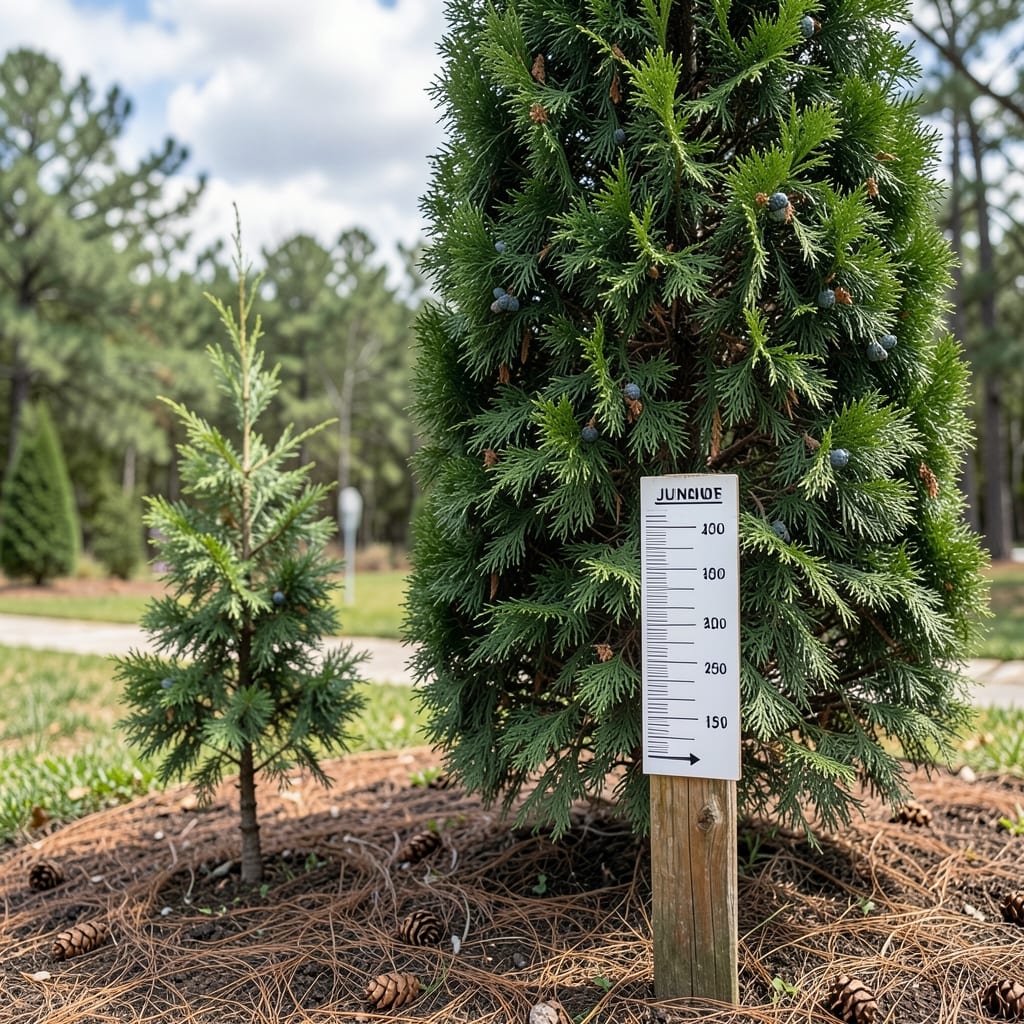
If you're wondering "how tall can cedar trees grow", the answer might surprise you—these evergreen giants can stretch from modest shrubs to towering 100-foot sentinels, depending on the species and growing conditions. Whether you're planning a privacy screen or a dramatic backyard centerpiece, understanding your cedar's potential height is the first step to making it thrive in your landscape.
Picture this: a 🌲 Eastern Red Cedar reaching 30-40 feet at maturity, its branches creating a natural windbreak, while a Deodar Cedar in ideal conditions could dwarf even the tallest two-story homes. The key difference? Species, climate, and care make all the difference in how skyward your cedar will grow.
But here's the catch: not all cedars play by the same rules. Some varieties stay compact, perfect for smaller yards, while others demand space and patience. I'll break down the height ranges, growth rates, and the critical factors that determine whether your cedar becomes a modest shrub or a forest giant.
Ready to plan your perfect cedar? Let's explore the species-specific heights, care secrets, and landscaping tips that will help you grow the cedar of your dreams—whether you want it to reach for the sky or stay grounded as a manageable focal point.


Cedar tree height by species: from dwarf varieties to towering giants
Cedar trees are nature's architectural marvels, with some species reaching heights that rival skyscrapers while others stay compact enough for small gardens. The Eastern Red Cedar, for example, can soar to 30-40 feet, making it perfect for privacy screens, while the Atlas Cedar towers at 65-100 feet, ideal for grand landscapes. But which cedar fits your space? Let's explore the height spectrum.
Before planting, consider your landscape goals. A dwarf cedar like 'Emerald Green' stays under 8-12 feet, perfect for foundation plantings, while standard varieties like 'Green Giant' Arborvitae reach 15-25 feet—ideal for hedges. The key is matching the species to your yard's dimensions and sunlight conditions.
🌲
The Eastern Red Cedar is one of the most popular choices for home gardens, thanks to its moderate height and drought tolerance. In contrast, the Atlas Cedar and Port Orford Cedar are better suited for large estates or public parks where their towering stature can be fully appreciated. For urban settings, dwarf varieties like 'Blue Ice' are game-changers, offering all the beauty without the space requirements.
If you're planning a privacy screen, consider the Green Giant Arborvitae, which grows 1-1.5 feet per year and reaches 15-25 feet in about 10 years. This makes it ideal for blocking noise and views without overwhelming smaller yards. For a wildlife-friendly option, the Eastern Red Cedar provides year-round cover for birds and small mammals.
For those with limited space, the 'Emerald Green' Arborvitae is a fantastic choice. It stays under 12 feet and grows just 0.5-1 foot per year, making it perfect for foundation plantings or as a low-maintenance accent. Its blue-green foliage adds color without the commitment of a larger tree.
When selecting your cedar, also consider its spread. Some varieties, like the Deodar Cedar, can spread 20-30 feet at maturity, so plant it far from structures or sidewalks. Others, like the 'Kilimanjaro' Cedar, have a narrower spread of 8-10 feet, making them ideal for tighter spaces.
🌿
Remember, these heights are mature estimates. With proper care, some cedars can grow even taller, while poor conditions may stunt their growth. The soil quality, sunlight exposure, and
Factors that determine how tall your cedar tree will grow
Your cedar tree’s height isn’t just about the species—soil quality, sunlight exposure, and climate play starring roles. For example, a Deodar Cedar planted in well-draining, nutrient-rich soil with full sun can reach 65+ feet, while the same tree in shady, compacted soil may max out at 30 feet. Even the hardiest Eastern Red Cedar struggles to thrive in waterlogged conditions, where root rot stunts growth.
Watering habits also shape height potential. Overwatering young cedars can weaken roots, while deep, infrequent watering (every 10-14 days for mature trees) encourages strong vertical growth. In contrast, drought stress forces cedars to grow slower and shorter. Pruning mistakes—like cutting too aggressively in late summer—can also limit height by redirecting energy to bushier growth instead of upward expansion.
Don’t overlook climate zones! Cedar trees in USDA Zones 6-9 (where winters are mild) grow faster than those in Zone 5, where cold snaps slow early-season growth. Even wind exposure matters—a cedar planted in a protected microclimate (like near a fence) will grow taller than one battered by constant wind, which causes stunted, gnarled growth.
🌲
🌱 Pros & Cons of Growth Factors
✔ Maximizes height potential
✔ Encourages dense foliage
✔ Best for fast-growing species
✔ Prevents root rot
✔ Supports deep root growth
✔ Ideal for tall varieties
✖ Stunts root development
✖ Limits nutrient uptake
✖ Reduces height by 30-50%
✖ Encourages bushiness
✖ Slows vertical growth
✖ Weakens tree structure
Pruning timing is another critical factor. Prune Eastern Red Cedar in late winter or early spring to promote height, but avoid heavy cuts in summer or fall, which can shock the tree and limit upward growth. Even fertilizer type matters—a balanced 10-10-10 NPK applied in early spring boosts height, while excess nitrogen leads to leafy but short growth.
For dwarf cedars (like 'Emerald Green' Arborvitae), regular trimming keeps them compact, but neglecting pruning can turn them into unruly shrubs. Meanwhile, tall cedars (like Atlas Cedar) need minimal pruning—just remove dead branches—to maintain their majestic height. Always match your care routine to the species’ natural growth habits**!
🪴