
Size
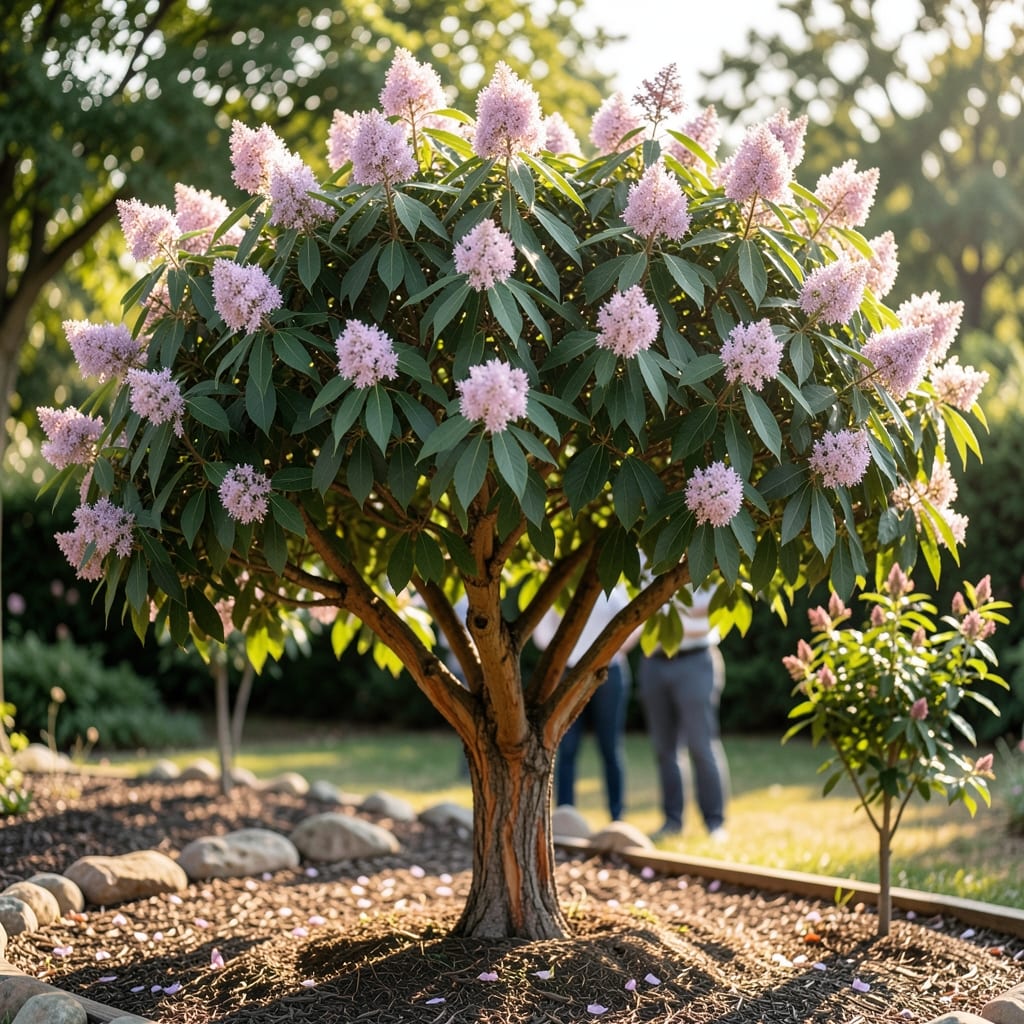
If you’re eyeing a crape myrtle 🌸 for your yard, you might be wondering: how tall can crape myrtles grow? The answer isn’t one-size-fits-all—these showstopping trees can range from compact 6-foot shrubs to towering 30-foot giants, depending on the variety and care you provide.
Choosing the right size matters more than you think. A standard crape myrtle could soon dwarf your patio, while a dwarf variety might feel lost in a large landscape. The good news? With the right pruning and planting strategy, you can steer their growth to match your space perfectly.
But here’s the catch: many gardeners underestimate how quickly these trees grow—especially in warm climates. Without proper planning, you could end up with a 20-foot tree where a 6-foot shrub would’ve been ideal. Let’s break down the exact heights by variety and the simple steps to keep them in check.
Ready to pick the perfect crape myrtle for your yard? I’ll walk you through everything—from the fastest-growing types to the best pruning times—so you can enjoy their stunning blooms without the headaches of overgrowth.


Crape myrtle height by variety: dwarf to giant sizes explained
Crape myrtles (Lagerstroemia spp.) are one of the most versatile landscape trees, offering dwarf varieties for small gardens to towering giants that dominate large yards. Their mature height ranges from just 6 feet for compact varieties to an impressive 30 feet for standard trees, making them adaptable to nearly any space. The key to choosing the right size lies in understanding each variety’s growth potential and how it aligns with your yard’s layout.
Most gardeners assume all crape myrtles grow into large trees, but the truth is far more exciting. Dwarf varieties like 'Tonto' or 'Centennial Spirit' stay under 6 feet, perfect for container gardening or urban patios. Meanwhile, standard varieties like 'Natchez' or 'Muskogee' can reach heights of 25-30 feet, ideal for backyard focal points or street trees. Knowing these differences helps you avoid planting a giant where a dwarf would thrive.
Here’s the breakdown of crape myrtle heights by category, including their ideal growing conditions to maximize their potential:
| Variety | Mature Height | Spread | Sun Needs | Best For |
|---|---|---|---|---|
| Dwarf Varieties | 6–12 ft | 4–8 ft | Full sun | Containers, small yards, patios |
| 'Tonto' | 6–8 ft | 4–5 ft | Full sun | Urban gardens, balconies |
| 'Centennial Spirit' | 8–10 ft | 5–6 ft | Full sun | Small yards, foundation planting |
| Semi-Dwarf Varieties | 12–18 ft | 8–12 ft | Full sun | Medium yards, privacy screens |
| 'Acoma' | 12–15 ft | 8–10 ft | Full sun | Backyard accents, mixed borders |
| 'Muskogee' | 15–20 ft | 10–12 ft | Full sun | Large gardens, street trees |
| Standard Varieties | 20–30 ft | 15–25 ft | Full sun | Large properties, parks |
| 'Natchez' | 25–30 ft | 20–25 ft | Full sun | Focal points, shade trees |
| 'Tuscarora' | 20–25 ft |
How to control crape myrtle height: pruning tips for small yardsIf you love the vibrant blooms of crape myrtles but worry about them towering over your yard, pruning is your secret weapon. With the right techniques, you can keep these trees at a manageable height—whether you prefer a compact shrub or a tall but controlled tree. The key is timing, tools, and understanding how crape myrtles respond to cuts. Most gardeners make one critical mistake: pruning at the wrong time. Late winter or early spring (just before buds swell) is ideal, but avoid heavy pruning in fall or winter, as it can encourage weak growth or even dieback. If you prune too late, you risk removing next year’s flower buds, leaving you with a tree full of leaves but no blooms. Here’s what you’ll need: sharp bypass pruners for clean cuts, loppers for thicker branches, and gloves to protect your hands from thorns. Always disinfect your tools with rubbing alcohol to prevent spreading disease between cuts. And remember—never top your crape myrtle (cutting the top flat), as this creates unsightly water sprouts and weakens the tree.
⚠️
Avoid These Pruning Mistakes
To maintain height, focus on selective pruning: remove 1/3 of the oldest branches each year to encourage new growth from the base. This keeps the tree fuller and prevents it from becoming leggy. For example, if your standard crape myrtle is reaching 20 feet but you want it at 12 feet, prune back the tallest branches by 1/3 to 1/2 in early spring. Repeat this process annually to control growth. For dwarf varieties like ‘Arapaho’ or ‘Centennial’, pruning is minimal—just remove dead or crossing branches. These varieties naturally stay under 6 feet, so heavy pruning isn’t necessary unless you’re shaping them into a hedge. Always step back and visualize the tree’s shape after pruning to ensure it looks natural and balanced. One pro tip: Prune for airflow. Thin out dense branches to reduce humidity and prevent fungal diseases like powdery mildew, which thrives in shaded, crowded areas. A well-pruned crape myrtle not only stays at your desired height but also blooms more vigorously and stays healthier year-round. With consistent pruning, you can enjoy the beauty of crape myrtles without the worry of them overshadowing your patio or power lines. Start small, observe how your tree responds, and adjust your approach each year for the perfect fit in your landscape. |