
Size
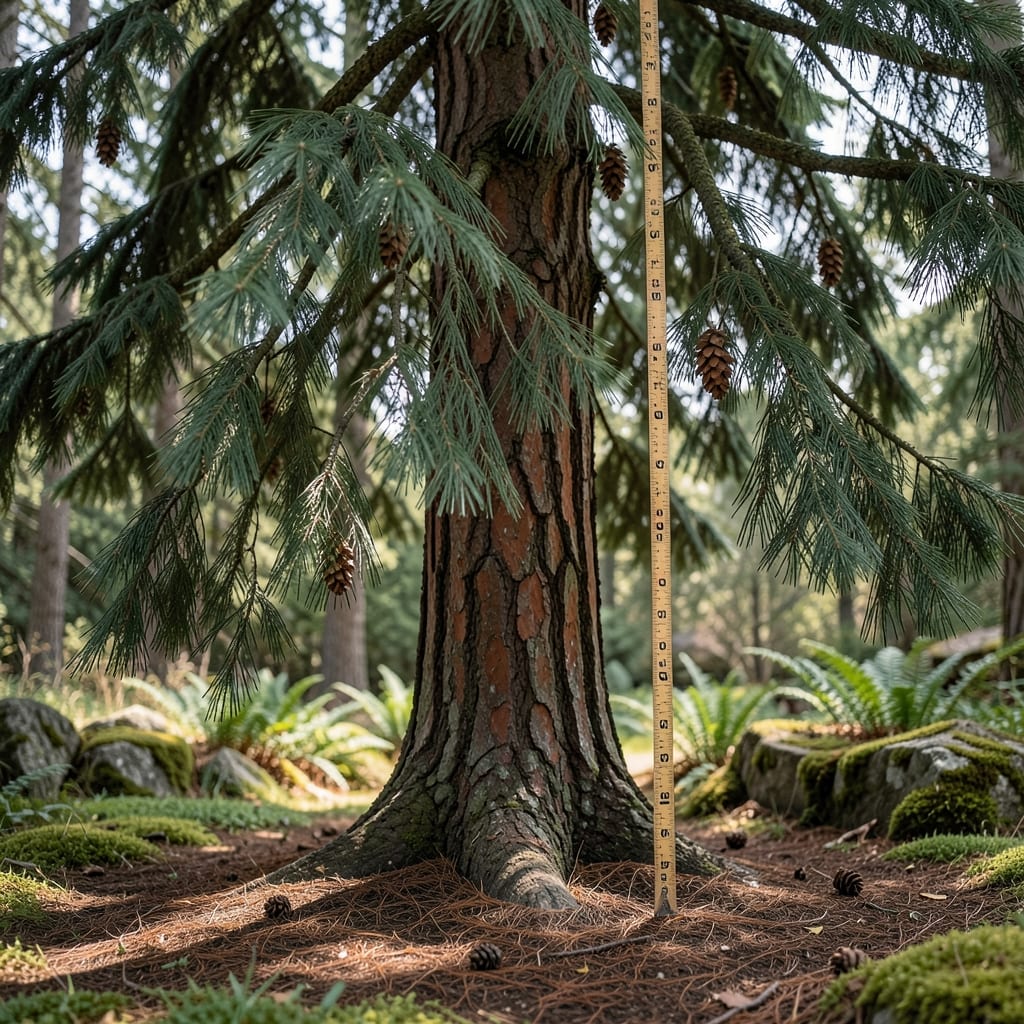
If you've ever wondered how tall a Douglas Fir can grow, you're not alone. These towering evergreens aren't just impressive—they're some of nature's most dramatic trees, with mature heights that can stretch up to 300 feet in ideal conditions. But whether you're planning a backyard project or simply curious about their growth potential, understanding the factors that influence their size is key.
The truth is, most Douglas Firs won't reach their full sky-scraping potential in typical home gardens. Instead, they often max out around 60-70 feet when grown in cultivation, making them perfect for large landscapes but a bit too ambitious for smaller yards. What determines whether your tree grows tall or stays more manageable? It all comes down to variety, climate, and care.
In this guide, I'll break down the exact height ranges you can expect from different Douglas Fir varieties, from dwarf types that stay under 30 feet to the giants that dominate forests. You'll also discover how to manage their growth if space is limited, so you can enjoy their beauty without sacrificing your lawn. Let's dive into what makes these trees grow—and how you can shape their future.
Whether you're dreaming of a towering sentinel or a more compact centerpiece, knowing how tall a Douglas Fir can grow will help you plan with confidence. From soil conditions to pruning tips, I've got you covered so you can make the most of this stunning evergreen in your outdoor space.

Douglas Fir height by variety: from dwarf to giant species
When it comes to Douglas Fir height, the differences between varieties can be staggering. Some stay compact enough for suburban yards, while others reach forest-dominating heights of 300 feet or more. The key lies in selecting the right cultivar for your space and climate needs. Let me break down the most popular varieties and their mature heights so you can make an informed choice.
For home gardeners with limited space, dwarf Douglas Firs like 'Glauca' and 'Compacta' are excellent options, typically reaching just 15-30 feet at maturity. These varieties maintain a slow growth rate while offering all the beauty of their towering cousins. On the opposite end of the spectrum, the coastal Douglas Fir can grow up to 300 feet in ideal conditions, making it one of the tallest trees in North America.
Here's a quick comparison of popular Douglas Fir varieties and their mature heights:
| Variety | Mature Height | Growth Rate | Best For |
|---|---|---|---|
| 'Glauca' (Blue Douglas Fir) | 15-30 ft | Slow (6-12 in/year) | Small gardens, containers |
| 'Compacta' | 20-30 ft | Slow (6-12 in/year) | Foundation planting |
| 'Weyerhaeuser' | 40-60 ft | Moderate (12-24 in/year) | Large landscapes |
| Coastal Douglas Fir | 200-300 ft | Fast (24-36 in/year) | Forests, large estates |
| 'Viridis' (Green Douglas Fir) | 30-50 ft | Moderate (12-24 in/year) | Privacy screens |
| Interior Douglas Fir | 150-200 ft | Fast (24-36 in/year) | Wild landscapes |
The coastal Douglas Fir holds the record for height, often reaching 300 feet in its native habitat along the Pacific Northwest coast. These giants grow 3-4 feet per year under ideal conditions, making them the fastest-growing Douglas Fir variety. In contrast, dwarf varieties like 'Glauca' grow just 6-12 inches per year, making them perfect for small gardens or container growing.
If you're considering a Douglas Fir for your landscape, the variety you choose will determine not only its height but also its growth rate, cold hardiness, and drought tolerance. For example, coastal varieties thrive in USDA zones 5-7 with high humidity, while interior varieties prefer drier conditions and can handle zones 4-8. Always check the specific variety's requirements before planting to ensure it will thrive in your climate.
For home gardeners with limited space, I recommend starting with dwarf or semi-dwarf varieties like 'Compacta' or 'Weyerhaeuser'. These will give you the beauty of a Douglas Fir without overwhelming your property. If you have ample space and want to make a statement, the coastal Douglas Fir will grow into a true landscape centerpiece over time.
Remember, even dwarf varieties will eventually reach their mature height, so always consider your property's layout and future growth potential. A well-placed Douglas Fir can provide year-round interest, wildlife habitat, and that coveted "wow" factor in your outdoor space.
🌲
What determines Douglas Fir height: soil, climate, and care factors
When it comes to Douglas fir height, nature and nurture play equally important roles. While genetics set the baseline for a tree's potential size, factors like soil quality, climate conditions, and even water availability can push a tree toward its maximum height—or hold it back. For example, a Douglas fir planted in coastal Oregon with rich, acidic soil and consistent rainfall can reach 200+ feet, while the same variety in a dry inland climate might max out at 60-80 feet.
The growth rate of Douglas firs is also heavily influenced by these conditions. Young trees can grow 2-3 feet per year under ideal circumstances, but stress from poor soil or drought can slow growth to just 6-12 inches annually. Understanding these factors will help you predict how tall your Douglas fir will grow and whether it’s suited for your specific location.
Here’s how each factor impacts height, ranked by influence:
For instance, if you’re planting a standard Douglas fir in Zone 6 or higher, prioritize well-draining, slightly acidic soil (pH 5.0-6.5) and protect it from late frosts, which can damage young shoots and slow early growth. In contrast, a dwarf variety like 'Glauca' will stay under 30 feet regardless of conditions, making it ideal for smaller yards where height control is a priority.
Another critical factor is root competition. Douglas firs have extensive root systems that need space to spread. Planting them too close to sidewalks, driveways, or other trees can restrict their growth, leading to a shorter, wider tree rather than a tall, slender one. Always give your Douglas fir at least 20 feet of clearance on all sides to encourage vertical growth.
Finally, don’t underestimate the role of pests and diseases. Issues like Douglas fir beetle infestations or root rot can severely limit a tree’s height potential. Regularly inspect your tree for signs of stress, such as yellowing needles or fungal growth at the base, and address problems early to keep your fir on track for its full height.
By aligning these factors with your tree’s variety and location, you’ll set the stage for a Douglas fir that reaches its true potential—whether that means a 300-foot giant or a 30-foot dwarf that fits perfectly in your landscape. The key is patience and attention to detail, as these trees reward long-term care with breathtaking height and beauty. 🌲