
Trees
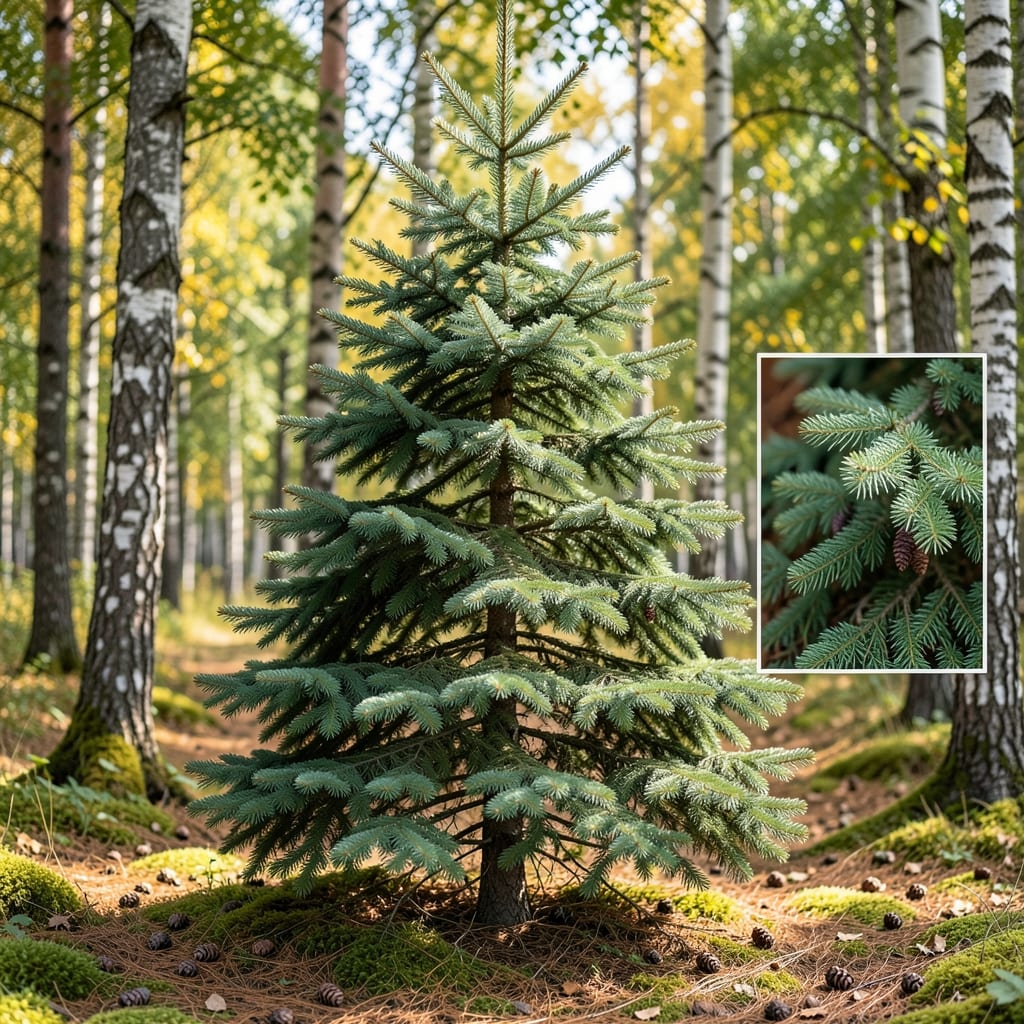
If you're wondering how tall do balsam fir trees grow, you're about to discover a tree that can transform your landscape—or become a holiday legend. This evergreen giant, with its signature 🎄 scent and lush needles, typically reaches 40 to 60 feet at maturity, making it a stunning focal point for gardens in zones like 6a.
But here’s the twist: with the right care, you can influence its height. Whether you’re planting one for year-round beauty or future holiday decor, understanding its growth habits is key. From spacing requirements to sunlight needs, we’ll break down how to cultivate a balsam fir that fits your space—whether you want a towering statement piece or a more manageable size.
The secret lies in its growth conditions. Balsam firs thrive in partial shade and well-drained soil, but their height depends on factors like climate, pruning, and even your planting window. Planting in September or October gives them the best start, but even then, their growth can vary wildly.
Ready to grow one? I’ll show you how to nurture it from a 2-foot sapling to a mature tree—without it taking over your yard. Let’s get started.


Balsam fir tree height by variety: mature size ranges explained
When planning your balsam fir (Abies balsamea) as a yard centerpiece or holiday tree, knowing its mature height is key. Most standard balsam firs reach 40–60 feet tall in ideal conditions, but dwarf or container-grown varieties stay much smaller. The genetics of your tree determine its ultimate height—whether it’ll stretch toward the sky or remain a manageable size.
In the wild, balsam firs in northern forests can grow over 60 feet, but cultivated varieties often stay shorter. For example, a 10-year-old balsam fir might only reach 15–20 feet, while a 30-year-old tree could tower at 40+ feet. If space is limited, consider container-grown balsam firs, which are pruned to stay under 10 feet tall.
Here’s how three common balsam fir varieties compare in height, along with their ideal uses:
| Variety | Mature Height | Growth Rate | Best For |
|---|---|---|---|
| Standard Balsam Fir | 40–60 ft | 1–2 ft/year | Large yards, forests, windbreaks |
| Container-Grown Balsam Fir | 6–10 ft | 6–12 in/year | Pots, small gardens, holiday decor |
| Miniature Balsam Fir (Rare) | 3–5 ft | 3–6 in/year | Bonsai, fairy gardens, urban spaces |
Note: Growth rates slow with age; mature height varies by climate and care.
If you’re planting a standard balsam fir in your yard, give it plenty of space—these trees need at least 20 feet of clearance from structures and power lines. Their spread is nearly as wide as their height, so plan for a 30–40 foot diameter for a mature tree. For smaller spaces, container-grown varieties are your best bet, but they’ll still need 3–5 feet of space to thrive.
One common misconception is that all balsam firs grow equally tall. In reality, soil quality, sunlight, and pruning habits can drastically alter their height. For example, a balsam fir in poor soil might only reach 30 feet, while one in rich, acidic soil could easily exceed 50 feet. Always choose a reputable nursery that specifies the variety’s mature height to avoid surprises.
For holiday decorators, container-grown balsam firs are a game-changer. These trees are pruned annually to maintain a compact shape, making them perfect for indoor displays or outdoor decorations. Just remember: even dwarf varieties need well-draining soil and consistent moisture to stay healthy and aromatic. Their pine-scented needles are the real draw!
Before planting, check your USDA hardiness zone. Balsam firs thrive in zones 3–6, where they can handle cold winters and snowy conditions. In warmer climates (zones 7–8), their growth may slow, and they might not reach their full 40–60 foot potential. If you’re in a mild-winter region, consider planting near a north-facing wall to protect them from afternoon sun.
Pro tip: If you’re growing a balsam fir for Christmas trees, harvest it when it’s 5–7 years old—this ensures a full, lush shape without excessive height. Younger trees (under 5 years) are too narrow, while older ones (over 10 years) may be too tall or sparse. Aim for a 6–8 foot tree for standard holiday use.
Finally, if you’re unsure about height, ask your nursery for a young tree with a known lineage. Some wholesale growers sell pre-pruned balsam firs that stay under 15 feet, making them ideal for urban gardens or small lots. With the right variety and care, you can enjoy a fragrant, evergreen beauty without sacrificing your yard space.
How growth conditions affect balsam fir height: sunlight, soil & climate factors
Your balsam fir's ultimate height isn't just about genetics—it's heavily influenced by its growing conditions. While standard varieties naturally reach 40–60 feet, factors like sunlight exposure, soil quality, and climate can push them toward the lower or upper end of that range—or even beyond. For example, a balsam fir in full sun might grow 10–15% taller than one in partial shade, while poor soil can stunt growth by 20–30%.
The USDA hardiness zones where you live play a huge role too. In zones 3–5, balsam firs thrive and often reach their full 50–60 foot potential. But in warmer zones (6–8), their growth slows significantly, sometimes capping at 30–40 feet. This is because balsam firs are adapted to cold climates with long winters—they actually prefer cooler temperatures and can struggle in heatwaves.
🌱 Key Factors That Influence Balsam Fir Height
- Sunlight: Partial shade (4–6 hrs/day) ideal; full sun speeds growth but may reduce needle density.
- Soil: Acidic (pH 4.5–6.0) and well-draining = faster growth; compacted soil stunts height.
- Water: Consistent moisture (1–1.5 inches/week) prevents height loss; drought stress slows growth.
- Climate: Zones 3–5 = full height potential; zones 6–8 = slower growth (30–40 ft max).
- Pruning: Selective pruning can reduce height by 20–40% if done annually.
Pro Tip: Mulch with pine needles to retain moisture and mimic their natural forest floor conditions.
Let’s talk soil first—this is where most gardeners make mistakes. Balsam firs hate soggy roots but also struggle in alkaline soil. Test your soil’s pH level before planting; aim for 4.5–6.0. If your soil is too alkaline, amend it with peat moss or sulfur to create the acidic environment they love. Poor soil can reduce a tree’s height by up to 30%, so don’t skip this step!
Next, watering habits directly impact height. While balsam firs are drought-tolerant once established, young trees need consistent moisture to grow tall and strong. Water deeply 1–2 times per week during the first 2–3 years to encourage root development. Overwatering or letting them dry out can stunt growth or even kill the tree. A 5-gallon watering around the root zone every 7–10 days in summer keeps them happy.
If you’re in a warmer climate (zones 6–8), your balsam fir’s height will naturally be shorter—but you can still optimize its growth. Plant it in a north-facing spot to shield it from afternoon sun, which can stress the tree. In these zones, expect a mature height of 30–40 feet rather than the 50–60 feet seen in cooler regions. For container-grown balsam firs, height is even more manageable, often staying under 10 feet with proper pruning.
One common mistake is assuming that more sunlight = taller tree. While balsam firs can tolerate full sun, they actually grow best in partial shade. Too much direct sun can bleach the needles and reduce growth vigor. If you’re planting near a south-facing wall, consider adding a light shade cloth during peak summer months to protect young trees.
Finally, fertilizing can give your balsam fir a growth boost—but only if done correctly. Use a balanced 10-10-10 fertilizer in early spring and again in mid-summer. Avoid heavy fertilization in fall or winter, as this can encourage weak, disease-prone growth. A little extra nutrients can help your tree reach its full height potential, but overdoing it leads to sparse foliage and slower growth.