
Flowers
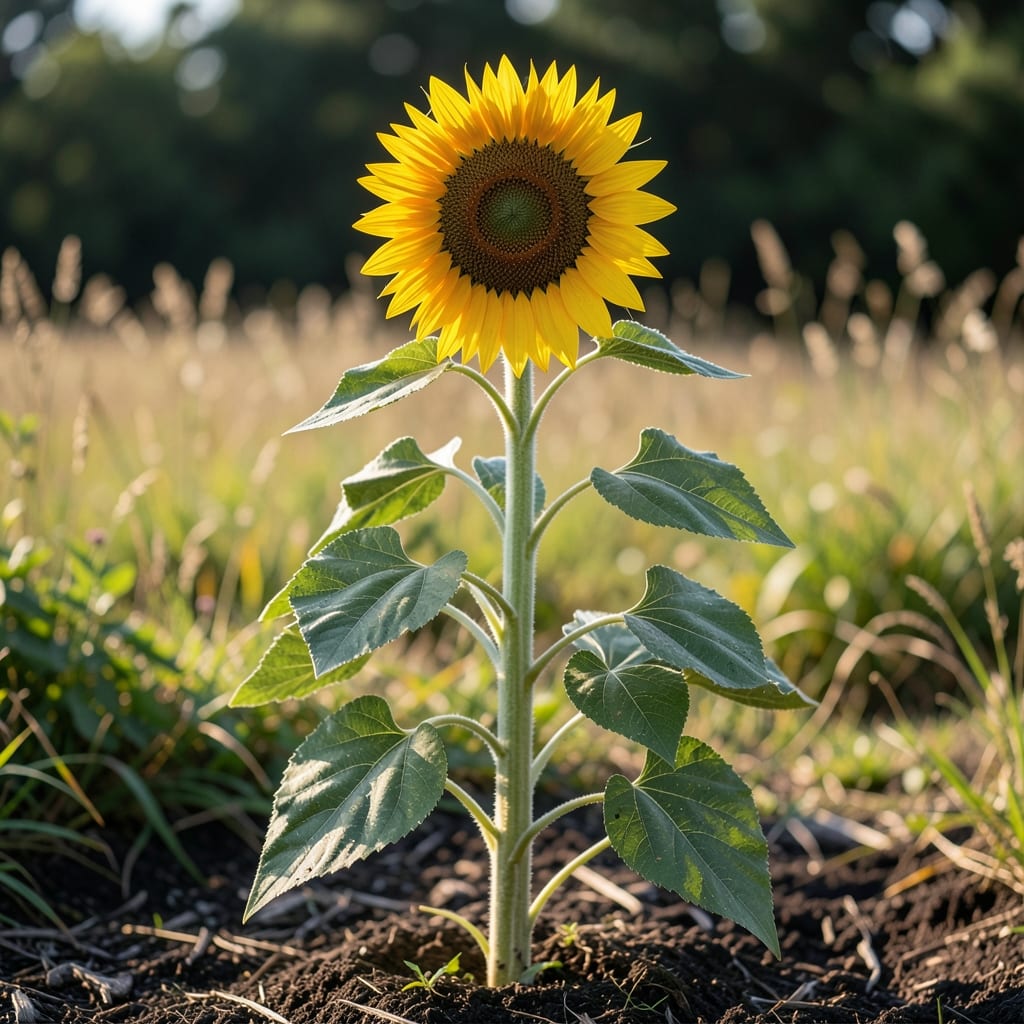
If you’ve ever wondered how tall can mammoth sunflowers grow, the answer might surprise you—these towering beauties can reach heights of 12 to 16 feet, easily dwarfing your garden fence or even your house! 🌻 With the right care, your Mammoth sunflower could become the star of your outdoor space, but there’s more to it than just planting seeds and hoping for the best.
The key to unlocking their full height potential lies in understanding their needs—whether it’s rich soil, plenty of sunlight, or proper support as they grow. Without the right conditions, even the hardiest varieties might struggle to reach their maximum height, leaving you with a floppy stem instead of a sky-scraping giant. Let’s explore what it takes to grow these sunflowers to their impressive heights and how to keep them standing tall all season long.
From choosing the perfect variety to staking techniques that prevent toppling, I’ll walk you through everything you need to know. Whether you’re a beginner or a seasoned gardener, these tips will help you maximize your Mammoth sunflower’s growth and avoid common pitfalls. Ready to turn your garden into a sunflower sanctuary?
Get ready to learn the exact heights by variety, the best staking methods, and the secrets to nurturing these giants from seed to sky-high blooms. Your garden’s new centerpiece is just a few steps—and a little support—away!

Mammoth sunflower height by variety: exact growth expectations
When you imagine Mammoth sunflowers in your garden, picture towering giants that can reach heights most plants only dream of. These sunflowers aren’t just tall—they’re architectural statements, often dwarfing garden fences and even small trees. But not all Mammoth varieties grow to the same height, and knowing the exact expectations for each can help you plan your garden layout and support structures accordingly.
On average, Mammoth sunflowers mature between 10 to 16 feet tall, but some varieties can surpass 18 feet under ideal conditions. For comparison, that’s taller than a standard basketball hoop (10 feet) and sometimes as tall as a two-story building (16 feet). However, their final height depends heavily on the specific variety you choose, as well as your growing conditions.
Here’s a breakdown of what to expect from the most popular Mammoth sunflower varieties, including their average heights, bloom times, and ideal growing conditions. This summary will help you pick the perfect variety for your garden’s space and aesthetic goals.
The Russian Giant variety is the undisputed champion of height, often reaching 18 feet or more in ideal conditions. This variety is famous for its massive flower heads, which can grow up to 16 inches in diameter. If you’re aiming for a sunflower that will truly dominate your garden, this is the variety to choose. However, its towering stature means you’ll need to plan for strong staking or trellis support from the start.
For a slightly shorter but still impressive option, the Mammoth Russian variety typically grows between 10 to 14 feet, making it a great choice for gardens with slightly less space or wind exposure. It’s also more forgiving when it comes to soil conditions, as long as it’s well-draining and fertile. This variety blooms later in the season, often in late summer, which can extend your garden’s visual impact well into the fall.
If you’re looking for a sunflower that blooms in autumn, the Autumn Beauty variety is a fantastic pick. While it’s one of the shorter Mammoth varieties—usually 8 to 12 feet tall—its vibrant, multi-colored petals (ranging from yellow to deep red) make it a standout in late-season gardens. This variety is also more drought-tolerant once established, making it a low-maintenance option for those in drier climates.
Growth patterns for Mammoth sunflowers are fascinating to watch. In their first year, these plants can shoot up 6 to 10 feet tall, but they often don’t reach their full height until their second or third year. This means if you’re planting them as annuals, you’ll likely see their maximum height in a single growing season. However, if you’re in a warmer climate where they can overwinter, they may continue to grow taller in subsequent years, sometimes exceeding 16 feet.
One common misconception is that Mammoth sunflowers grow straight up like a tree. In reality, their stems are hollow and woody, which makes them prone to bending or snapping in windy conditions. This is why proper staking is non-negotiable if you want to see them reach their full potential height. Without support, even the sturdiest stems can flop over, leaving you with a sad, sprawling mess instead of a towering masterpiece.
To maximize height, focus on three critical factors: soil fertility (especially phosphorus), consistent watering, and full sun exposure. Mammoth sunflowers thrive in well-draining, nutrient-rich soil, so amending your garden bed with compost or a balanced fertilizer before planting can make a noticeable difference in their growth. Additionally, spacing plants 2 to 3 feet apart gives them room to develop strong root systems without competing for resources.
How to stake Mammoth sunflowers for maximum height and stability
Staking your Mammoth sunflowers isn’t just about preventing them from toppling over—it’s the secret to unlocking their full height potential. Without proper support, even the sturdiest stems can bend or snap under their own weight, especially when they reach 10 feet or taller. The right staking method ensures your sunflowers grow straight and strong, reaching heights of 12 to 16 feet or more. But where do you start? Let’s break down the best staking techniques, timing, and materials to keep your giants standing tall.
First, you’ll need to choose between three primary staking methods: single stakes, trellises, or cages. Each has its pros and cons, depending on your garden layout, wind exposure, and how much hands-on support you’re willing to provide. For example, a single stake is simple and effective for one or two plants, while a trellis or cage system works better for clusters or windy areas. The key is to stake early—as soon as the stem reaches 12–18 inches tall—before the plant puts too much energy into growing sideways.
Here’s a quick comparison to help you decide which staking method is right for your Mammoth sunflowers:
Staking Methods for Mammoth Sunflowers
Single Stake
- ✅ Pros: Simple, cost-effective, easy to install
- ✅ Works well for one or two plants
- ✅ Allows natural stem growth with minimal interference
- ❌ Cons: Limited support for windy conditions
- ❌ Requires frequent adjustments as plant grows
Trellis
- ✅ Pros: Supports multiple plants at once
- ✅ Provides excellent wind resistance
- ✅ Encourages vertical growth and air circulation
- ❌ Cons: Requires more space and setup
- ❌ Can be costlier for large gardens
Cage System
- ✅ Pros: Hands-off support for multiple stems
- ✅ Reduces bending and snapping in wind
- ✅ Ideal for crowded gardens or small spaces
- ❌ Cons: Can limit stem flexibility in strong winds
- ❌ Requires sturdy materials to avoid collapsing
For single stakes, use bamboo stakes or metal rods that are at least 6 feet tall (longer if your variety is known for extreme height, like the Russian Giant). Insert the stake 2–3 inches deep into the soil beside the plant and tie the stem loosely with soft plant ties or strips of fabric every 12–18 inches as it grows. Avoid using wire or anything that can dig into the stem and cause damage.
If you’re growing Mammoth sunflowers in a windy area or in clusters, a trellis or cage system is your best bet. For a trellis, use wooden or metal frames with horizontal wires or netting spaced every 12 inches. Train the stems to grow along the wires by gently weaving them through the gaps. For cages, opt for metal or PVC pipe cages that are at least 5 feet tall and wide enough to accommodate multiple stems. These systems provide 360-degree support, reducing the risk of flopping.
One of the biggest mistakes gardeners make is waiting too long to stake their Mammoth sunflowers. If you delay until the plant is already 3 feet tall or taller, the stem may have already developed weak spots or grown at an angle that’s hard to correct. Start staking early—as soon as the seedling reaches 12–18 inches—and adjust the ties every 2–3 weeks to accommodate growth. This ensures your sunflower grows straight and strong from the beginning.
Another common pitfall is using materials that aren’t sturdy enough. Avoid thin or flimsy stakes, as they can bend or break under the weight of a mature sunflower. Instead, invest in heavy-duty stakes, trellises, or cages that can handle 100+ pounds of weight. If you’re on a budget, DIY solutions like repurposed broom handles or PVC pipes can work, but ensure they’re securely anchored in the ground. For