
Size
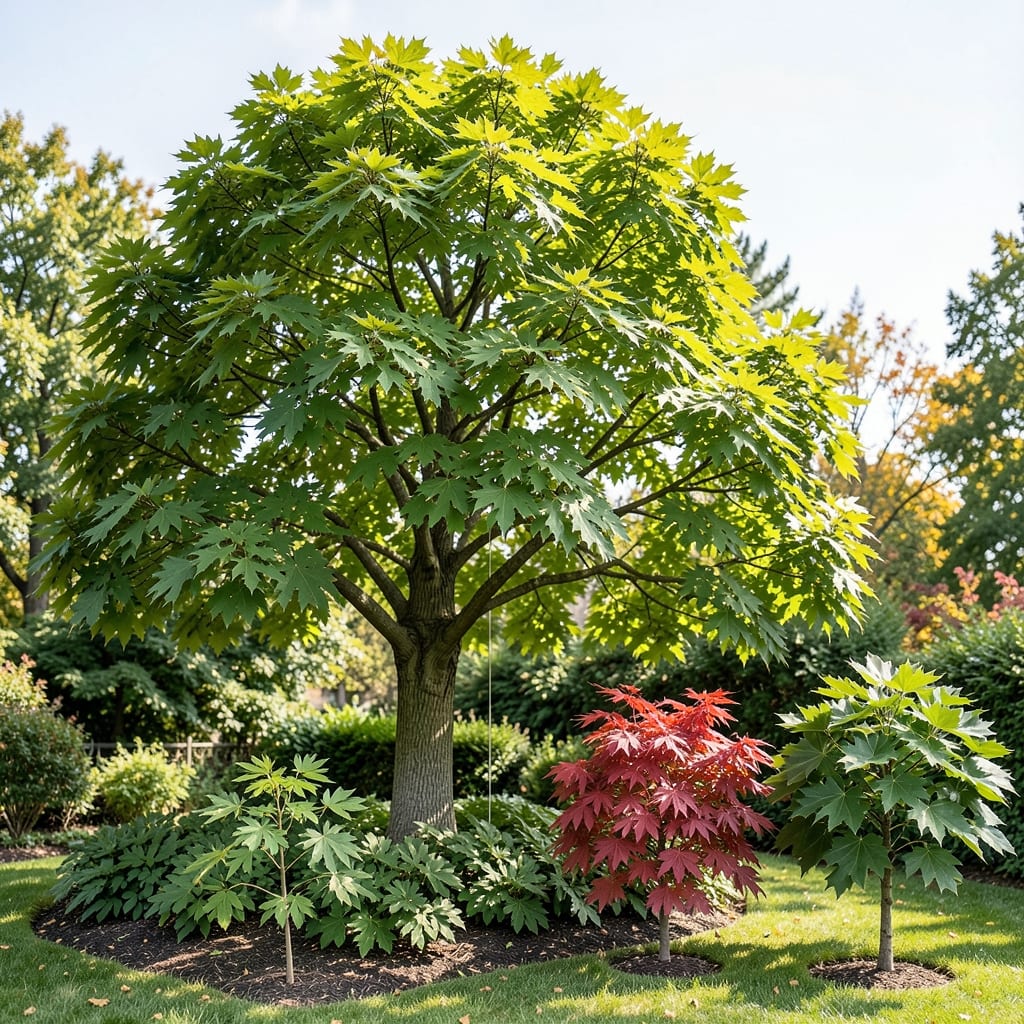
If you're dreaming of a backyard shaded by a towering maple tree 🌳, you might be surprised by how tall can maple trees grow—some varieties stretch toward the sky like natural skyscrapers, while others remain manageable for smaller spaces. The height of your maple tree depends on its species, growing conditions, and a little careful planning.
Imagine planting a tree that could one day reach heights of 120 feet or more—taller than most buildings in your neighborhood. That’s the potential with species like the Sugar Maple or Silver Maple, but don’t worry if you don’t have acres of space. Smaller cultivars can fit perfectly into urban landscapes or even large containers.
Whether you're a home gardener with a big yard or an urban dweller with limited space, understanding the growth potential of maple trees is the key to making the right choice. I’ll break down the tallest varieties, factors that influence their height, and how to select the perfect tree for your needs.
From skyscraping giants to compact beauties, maple trees offer something for every landscape. Let’s explore how tall they can grow—and which ones will thrive in your 6a zone.


Maple tree height by species: tallest varieties and their growth rates
When it comes to how tall can maple trees grow, the answer varies dramatically by species. Some maples reach skyscraper heights of 100+ feet, while others stay modest enough for suburban yards. The Sugar Maple and Silver Maple are classic giants, but don’t overlook the Norway Maple or Amur Maple for unique growth patterns and hardiness.
If you're planning for a long-term landscape investment, consider these top contenders. The Sugar Maple (Acer saccharum) often tops charts with mature heights of 75–100 feet, while the Silver Maple (Acer saccharinum) can stretch to 80 feet in ideal conditions. These trees aren’t just tall—they’re fast growers, adding 12–24 inches per year in optimal environments.
For those in USDA Zone 6a, the Norway Maple (Acer platanoides) is another heavyweight, reaching 60–80 feet with a broad canopy that provides ample shade. Its growth rate is slightly slower—12–18 inches annually—but its disease resistance makes it a reliable choice for urban plantings.
Don’t forget the Amur Maple (Acer ginnala), a lesser-known but stunning option. While it maxes out around 20–30 feet, its vibrant fall colors and cold hardiness (zones 3–8) make it a favorite for smaller spaces or container gardening. Its slower growth—6–12 inches per year—means it’s easier to manage long-term.
Here’s a quick comparison to help you visualize these giants:
| Variety | Mature Height | Growth Rate | Best For |
|---|---|---|---|
| Sugar Maple | 75–100 ft | 12–24 in/year | Shade trees, large yards |
| Silver Maple | 60–80 ft | 18–24 in/year | Fast shade, wet soils |
| Norway Maple | 60–80 ft | 12–18 in/year | Urban landscapes, shade |
| Amur Maple | 20–30 ft | 6–12 in/year | Small yards, containers |
| Red Maple | 50–70 ft | 12–20 in/year | Native gardens, wildlife |
The Red Maple (Acer rubrum) is another standout, often reaching 50–70 feet with a vibrant red fall foliage that’s hard to beat. It’s a fast grower and thrives in USDA Zones 3–9, making it versatile for many climates. If you’re looking for a balance of height and color, this is a top pick.
For those with limited space but still want a maple’s beauty, consider the Japanese Maple (Acer palmatum). While it rarely exceeds 25 feet, its dwarf cultivars like ‘Bloodgood’ or ‘Emperor I’ stay under 10–15 feet—perfect for containers or small gardens. These varieties grow at a slower pace (3–6 inches per year), making them easier to manage over time.
When selecting a maple, think about your long-term goals. A 100-foot Sugar Maple will dominate your landscape, while a 20-foot Amur Maple offers flexibility. Measure your space, check local tree height regulations, and choose a species that aligns with your vision—whether it’s a shade giant or a compact centerpiece.
🌳
Factors that influence maple tree height: soil, climate, and care
Your maple tree’s final height isn’t just about its species—soil quality, climate conditions, and care practices play equally important roles. For example, a Sugar Maple planted in rich, well-draining soil with full sun exposure can reach its full 75-100 foot potential, while the same tree in compacted, nutrient-poor soil might max out at 50 feet. Even the most towering varieties need the right growing conditions to thrive.
Climate is another game-changer. Maple trees thrive in USDA Zones 3-8, but their growth rates vary dramatically. In colder climates like Zone 4, trees grow more slowly due to shorter growing seasons, while warmer Zone 7-8 regions see faster vertical growth. Even within your zone, microclimates—like a sunny hillside versus a shaded valley—can affect height by 20-30%.
🌱
⚠️ Common Mistakes That Stunt Growth
- Over-pruning young trees – Removing too many branches early can reduce height by 30%+.
- Poor soil drainage – Waterlogged roots limit nutrient uptake, slowing growth.
- Inconsistent watering – Drought stress causes stunted growth, especially in first 5 years.
- Planting too close to structures – Root competition restricts vertical expansion.
Pro Tip: Mulch annually with 3-4 inches of organic matter to improve soil structure and encourage deeper root growth.
Pruning techniques can either maximize or limit height. For taller varieties, avoid topping (cutting the main trunk), as this creates weak, stubby growth. Instead, focus on structural pruning in late winter to remove dead or crossing branches while maintaining the tree’s natural shape. Even a 10% annual pruning can keep your maple healthy without sacrificing height.
Sunlight exposure is non-negotiable. Maple trees need 6+ hours of direct sun daily to reach their full potential. Shading from buildings or other trees can reduce height by up to 40%. If your yard has limited sun, consider dwarf varieties like ‘Skyway’ Japanese Maple, which thrive in partial shade while staying under 20 feet.
Watering habits matter most in the first 3 years. Deep, infrequent watering (every 7-10 days) encourages deep root systems, while shallow watering leads to weak, sprawling growth. Once established, maples become drought-tolerant, but young trees need consistent moisture to reach their height potential.
Finally, fertilization timing can boost growth. Apply a balanced 10-10-10 fertilizer in early spring after the last frost, but avoid heavy feeding in late summer—it can stimulate tender new growth that won’t survive winter. With the right care, even a standard Sugar Maple can grow 2-3 feet per year in ideal conditions.