
Size
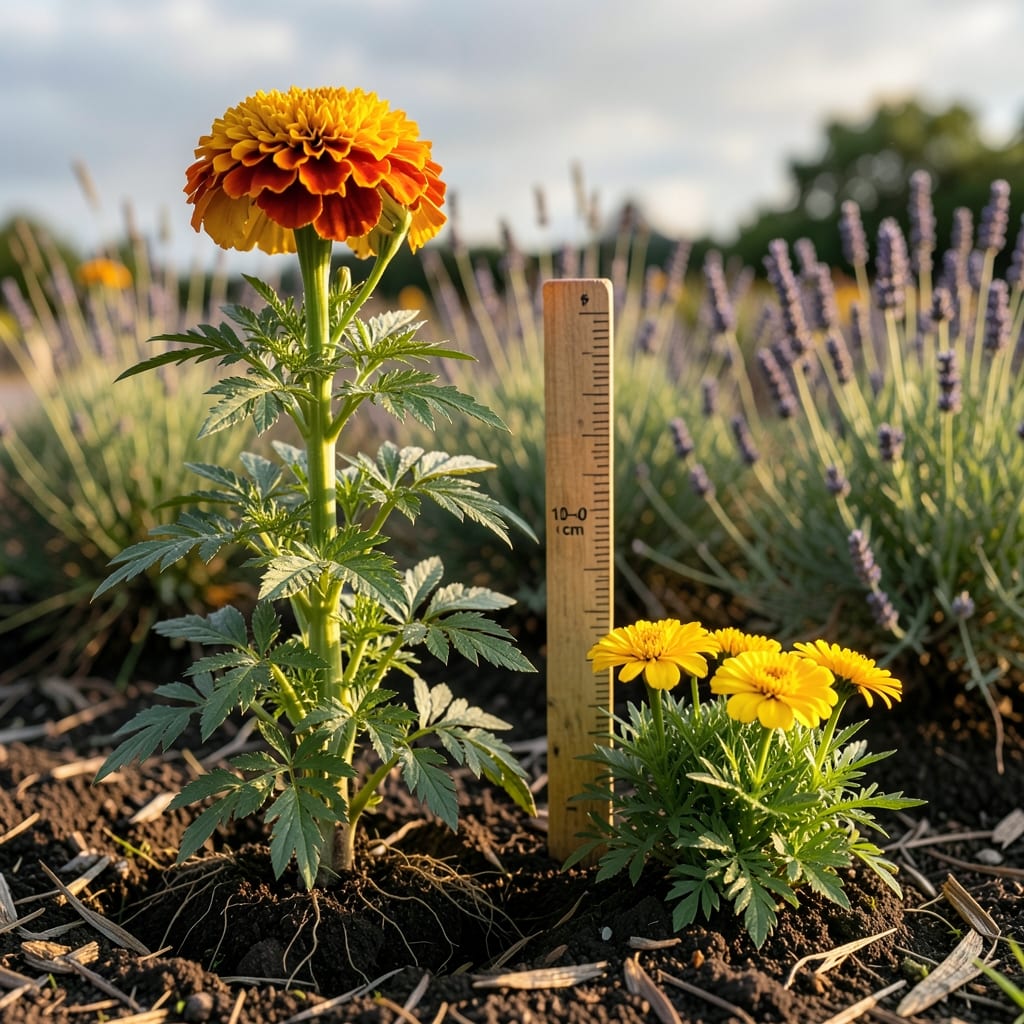
Ever wondered how tall marigolds can grow in your garden? These cheerful 🌼 flowers aren't just pretty faces—they come in sizes that can completely transform your outdoor space, from tiny border accents to towering centerpieces.
The truth is, marigold height varies dramatically by variety, with some barely reaching your ankles while others stretch nearly to your waist. Whether you're planning a cozy cottage garden or a bold, dramatic display, understanding these height differences is the key to creating the perfect layout. Let's explore how to choose the right marigolds for your space and maximize their growth potential.
From the 6-inch dwarfs perfect for container gardens to the 3-foot giants that command attention, each type has its own growing requirements. We'll cover what influences their height—like sunlight, soil, and proper spacing—and how simple adjustments can help you grow marigolds that reach their full potential.
Ready to discover which marigold varieties will work best in your garden? You'll also learn practical tips for controlling their growth so you can create the exact look you're dreaming of—whether that means neat borders or dramatic vertical accents.


Marigold height ranges by variety: from dwarf to tall giants
When planning your garden, knowing marigold height ranges helps you choose the perfect varieties for your space. Marigolds generally fall into three height categories: dwarf (6–12 inches), medium (12–24 inches), and giant (24–48+ inches). Each type serves a unique purpose, whether you're creating a border garden or a dramatic focal point.
The French marigold varieties are typically the shortest, making them ideal for container gardens or edging plantings. Meanwhile, African marigolds often reach the tallest heights, perfect for backdrop planting or cut flower arrangements. Understanding these differences ensures you select marigolds that fit your design vision while thriving in your climate.
Here’s a quick breakdown of marigold varieties by height, including popular examples to help you visualize their mature sizes:
| Variety Type | Height Range | Popular Examples | Best Uses |
|---|---|---|---|
| Dwarf French | 6–12 inches | 'Bonanza,' 'Baby,' 'Tangerine' | Containers, borders, edging |
| Semi-Dwarf French | 12–18 inches | 'Queen Sophie,' 'Gold Coin' | Mixed borders, window boxes |
| Standard French | 18–24 inches | 'Jolly Tall,' 'Firefly' | Mid-height borders, companion plants |
| African Marigolds | 24–48+ inches | 'Crackerjack,' 'Tango,' 'Jingle Bells' | Backdrops, cut flowers, tall borders |
| Signet Marigolds | 12–20 inches | 'Bonanza Gold,' 'Pavot de Paris' | Rock gardens, small spaces |
If you're growing marigolds in containers, opt for dwarf or semi-dwarf varieties like 'Bonanza' or 'Baby.' These stay compact and thrive in 5–10 gallon pots with proper drainage. For ground planting, taller varieties like 'Crackerjack' or 'Jingle Bells' create stunning vertical accents and attract pollinators like bees and butterflies.
One factor that influences marigold height is sunlight exposure. While most marigolds thrive in full sun (6–8 hours daily), some dwarf varieties can tolerate partial shade, though they may grow slightly shorter. Always check the specific variety’s care requirements to ensure optimal growth and flowering.
Soil quality also plays a role in height. Marigolds prefer well-draining, slightly acidic soil (pH 6.0–7.0). Amending your soil with compost or aged manure before planting can help them reach their full potential height. Avoid heavy clay soils, which can stunt growth and lead to root rot.
For gardeners in USDA Zones 6–10, marigolds are annuals but self-seed readily, often returning year after year. In cooler climates, start seeds indoors 6–8 weeks before the last frost or sow directly after the soil warms to 50°F (10°C). This timing ensures they have enough growing season to reach their mature height.
Pro tip: If you're using marigolds for companion planting, taller varieties like 'Tango' pair beautifully with tomatoes and peppers, while dwarf types work well around carrots and lettuce. Their pest-repelling properties make them a must-have in any vegetable garden!
Marigold height ranges by variety: from dwarf to tall giants
Marigolds offer a stunning range of heights, making them perfect for almost any garden design. The dwarf varieties are ideal for containers and borders, while the tall giants create dramatic focal points. Understanding these differences helps you choose the right marigolds for your space and growing goals.
Most marigolds fall into three height categories: dwarf (6–12 inches), medium (12–24 inches), and giant (24–48+ inches). Each category includes unique varieties suited for different garden styles, from cottage gardens to modern landscapes.
| Variety Type | Height Range | Best Uses | Examples |
|---|---|---|---|
| Dwarf | 6–12 inches | Containers, borders, edging | 'Tangerine' French Marigold, 'Bonanza Yellow' |
| Medium | 12–24 inches | Beds, borders, companion planting | 'Petite Series' French Marigold, 'Janie' African Marigold |
| Giant | 24–48+ inches | Back of borders, cut flowers, focal points | 'Crackerjack' African Marigold, 'Tall Orange' |
The French marigold varieties often stay shorter, typically between 12–24 inches, making them perfect for borders and containers. Their bushy growth habit and delicate petals add charm to any garden. For taller displays, African marigolds are the stars, often reaching 24–48 inches and providing bold, long-lasting blooms.
If you're growing marigolds in containers, choose dwarf or semi-dwarf varieties to avoid overcrowding. For ground planting, taller varieties can create stunning vertical interest when placed strategically. Always check seed packets for specific height ranges, as some varieties may vary slightly based on growing conditions.
For companion planting, taller marigolds like 'Crackerjack' can shield smaller plants from pests while adding height to your garden beds. Pair them with tomatoes or peppers for natural pest control and a beautiful, layered look.
Remember, proper spacing is key to achieving the full height potential of your marigolds. Crowding can stunt growth, while adequate space allows them to reach their maximum size and produce more blooms.