
How To
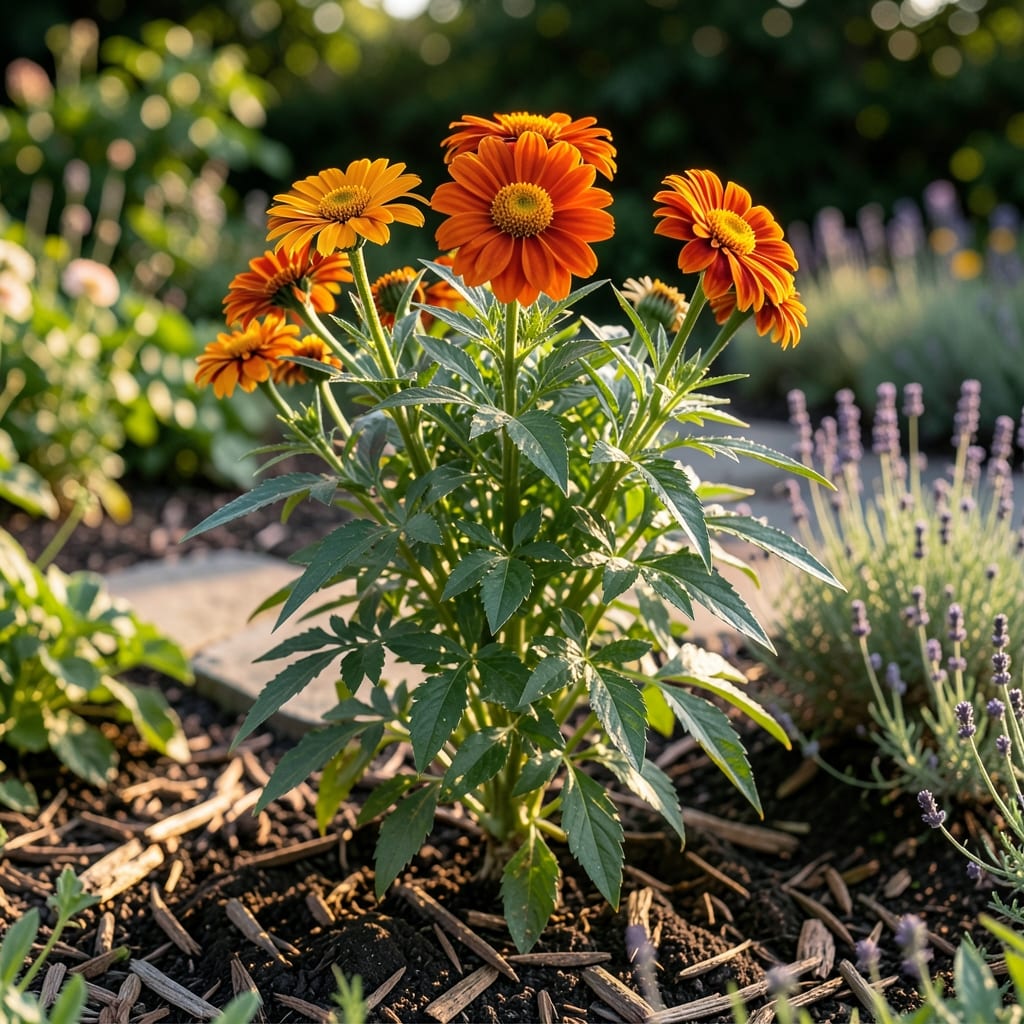
If you're wondering how tall do African marigolds grow, the answer might surprise you—these vibrant 🌼 beauties can reach heights of 2 to 4 feet under ideal conditions, making them perfect for adding drama to garden borders or containers.
But here's the thing: their height isn't set in stone. African marigolds thrive in USDA Zone 6a when planted in spring (April-May), but factors like sunlight, soil quality, and variety play a huge role in how tall they'll grow. Some compact types stay under 12 inches, while others stretch toward 4 feet—and we'll break down exactly how to encourage (or control) their growth.
Whether you're designing a pollinator-friendly garden or just want to know how much space to leave between plants, understanding their growth habits is key. I'll share the exact height ranges by variety, plus pro tips to keep them blooming beautifully all season.
Ready to turn your garden into a showstopper? Let's dive into the secrets behind African marigold heights—and how to get the most out of these sun-loving powerhouses.


African marigold height by variety: exact growth ranges & best picks
African marigolds (Tagetes erecta) are the tallest marigold variety, standing proudly as garden focal points. Their height ranges dramatically—from compact dwarf types to towering giants—depending on the cultivar. Understanding these differences helps you choose the perfect variety for your garden design or container arrangements.
Most African marigolds reach their mature height within 60–75 days of planting, with peak blooming occurring in late summer. Their sturdy stems make them ideal for cut flower arrangements, while their vibrant blooms deter pests like nematodes and aphids. But how tall exactly will your plants grow?
Here’s a quick breakdown of the most popular varieties and their typical mature heights:
| Variety | Mature Height | Best For | Spacing |
|---|---|---|---|
| Tangerine Gem | 1.5–2 ft | Cut flowers, borders | 12–18 in apart |
| Jamaica Primrose | 2–3 ft | Back of beds, tall arrangements | 18–24 in apart |
| African Sunset | 2.5–3 ft | Privacy screens, statement plants | 24 in apart |
| Dwarf varieties (e.g., 'Pumpkin' series) | 6–12 in | Containers, edging, windowsills | 8–12 in apart |
🌼 Pro Tip: Dwarf varieties thrive in containers, while taller types need sturdy stems to support their weight.
If you’re growing African marigolds in containers, opt for dwarf varieties like the 'Pumpkin' series, which stay under 12 inches. These are perfect for patio planters or windowsill gardens. For full garden beds, taller varieties like 'Jamaica Primrose' create dramatic vertical interest, especially when planted in odd-numbered groupings (e.g., 3 or 5 plants).
Soil quality plays a critical role in height development. African marigolds prefer well-draining, slightly acidic soil (pH 6.0–7.0). Amend heavy clay with compost or sand to prevent root rot, which can stunt growth. In poor soil, plants may reach only 50–70% of their potential height. For example, a 'Jamaica Primrose' might max out at 18 inches instead of 3 feet.
Sunlight is another game-changer. These marigolds thrive in full sun (6+ hours daily) but can tolerate partial shade in hot climates, where they’ll grow slightly shorter but produce more blooms. In shady spots, expect heights to drop by 20–30%, and stems may become leggy. For example, a 2.5-foot 'African Sunset' might shrink to 18 inches with only 4 hours of sun.
Watering habits also influence height. Overwatering leads to weak stems and floppy growth, while underwatering stresses plants, reducing their ability to reach full height. Aim for deep watering 2–3 times per week during hot months, ensuring the soil dries slightly between waterings. A moisture meter helps avoid guesswork—keep soil in the 60–70% moisture range for optimal growth.
For maximum height, fertilize with a balanced 5-10-10 NPK formula every 4–6 weeks starting when plants are 6 inches tall. Phosphorus (the middle number) encourages strong root and stem development, helping them support their own weight. Skip fertilizing in fall to allow plants to harden off for winter.
African marigolds are annuals in most climates, so their height is a one-season investment. However, in USDA Zones 9–11, they may self-seed, producing volunteer plants the following year. These seedlings often grow taller than their parents if given ideal conditions, reaching heights of 3–4 feet in perfect settings.
How to control African marigold height: pruning, spacing & growth secrets
African marigolds naturally grow tall—sometimes reaching 3 to 4 feet—but their height depends on how you care for them. The key to controlling their size lies in pruning, spacing, and soil conditions. With the right approach, you can encourage bushier growth or keep them compact for containers.
Start by spacing plants 12 to 24 inches apart—closer spacing promotes shorter, bushier plants, while wider gaps let them grow taller. If you want a dwarf marigold look, plant seeds or transplants 10 to 12 inches apart and pinch back the tips early to encourage branching.
Pruning is another game-changer. Regularly trim back 1/3 of the plant’s height in early summer to promote thicker foliage and more blooms. Use clean, sharp shears to avoid damaging stems, and always cut just above a leaf node to encourage new growth.
Avoid over-fertilizing with nitrogen—it leads to leafy growth at the expense of flowers. Instead, use a balanced 5-10-10 fertilizer every 4–6 weeks to support sturdy stems and vibrant blooms. If your marigolds are growing too tall and floppy, they may need more sunlight or sturdier support.
For container gardening, choose dwarf varieties like 'Tangerine Gem' (12–18 inches) and use well-draining soil with added compost. Containers limit root growth, so water consistently and fertilize lightly to prevent leggy stems.
Common mistakes that stunt growth include overcrowding, poor drainage, and inconsistent watering. Always mulch around the base to retain moisture and keep roots cool. With these tips, you’ll have African marigolds at your ideal height—whether tall and dramatic or compact and charming.
🌼