
Vegetables
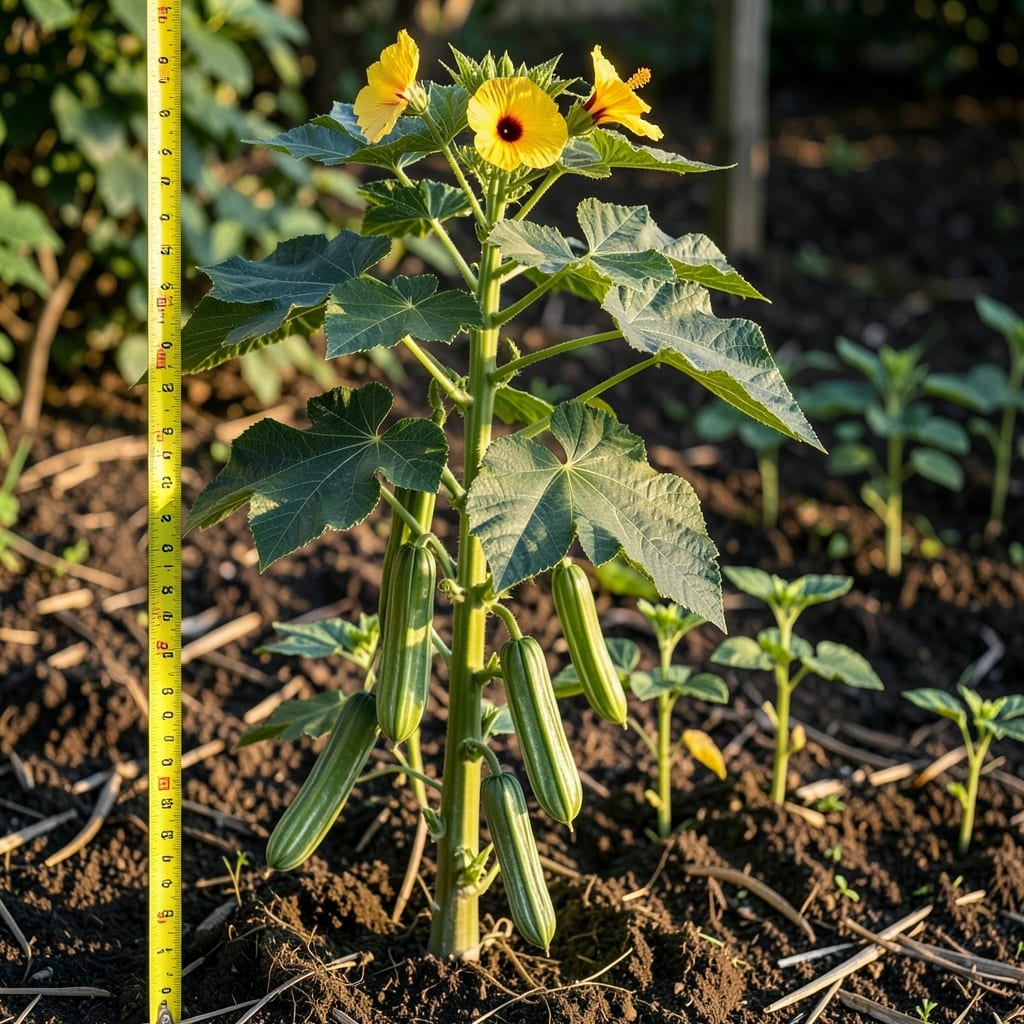
If you're dreaming of a summer garden packed with okra 🌱, you might be wondering just how tall these plants can grow—and whether you'll need a ladder to harvest those pods. The answer varies wildly, from compact varieties that stay under 4 feet to towering giants that can reach 10 feet or more, depending on the type and growing conditions.
Popular varieties like 'Clemson Spineless' often climb to 6-8 feet, while dwarf types like 'Emerald' stay between 3-5 feet. The key difference? Genetics and growing habits—some varieties naturally sprawl, while others grow upright like a bamboo stalk. Even within the same plant, side shoots can shoot up unexpectedly if not managed.
But here's the good news: you don't have to let your okra become a jungle. With the right trellis or support system, you can train even the tallest varieties to grow vertically, saving space and making harvests a breeze. Plus, learning how to prune and stake your plants can help you control their height while maximizing those delicious pods.
Ready to discover which okra varieties fit your space and how to keep them growing strong? Let's break down the best options and care tips so you can enjoy a bountiful harvest without the chaos of overgrown plants.


Okra plant height by variety: from compact dwarfs to towering giants
Okra plants are famous for their dramatic height variations, ranging from 2-foot dwarf varieties to 10-foot giants. The difference comes down to genetics—some varieties are bred to stay short and bushy, while others grow like bamboo stalks. Understanding these variations helps you choose the right type for your garden space, whether you're working with containers, small plots, or large backyard gardens.
For example, 'Emerald' is a popular dwarf variety that tops out at 3-5 feet, making it ideal for containers or small gardens. On the other end of the spectrum, 'Clemson Spineless' can reach 6-10 feet and is a favorite for larger spaces or trellis systems. Even within the same plant, side shoots can grow unpredictably if not pruned, so planning ahead is key.
Here’s how to match okra varieties to your garden’s needs:
| Variety | Height Range | Growth Habit | Best For |
|---|---|---|---|
| Emerald | 3–5 ft | Compact, bushy | Containers, small gardens |
| Jambalaya | 4–6 ft | Semi-upright | Small plots, trellises |
| Clemson Spineless | 6–10 ft | Tall, upright | Large gardens, trellises |
| Arkansas Traveler | 5–8 ft | Upright, sprawling | Warm climates, trellises |
If you’re growing okra in containers, stick to dwarf varieties like 'Emerald' or 'Burgundy', which max out at 4 feet. These work well in 5-gallon pots with proper drainage, but they’ll need regular watering since containers dry out faster. For in-ground planting, taller varieties like 'Clemson Spineless' thrive with 6+ hours of sun and well-draining soil, producing pods along their entire height.
One common misconception is that okra plants grow taller in hotter climates. While heat does encourage faster growth, the variety’s genetics determine the maximum height. For example, 'Jambalaya' might grow 1-2 feet taller in Zone 9 than in Zone 7, but it won’t exceed its 4-6 foot range. Humidity also plays a role—okra loves heat but struggles in excessive moisture, which can weaken stems and lead to leggy growth.
To encourage shorter, bushier growth, pinch back the main stem when it reaches 12–18 inches. This redirects energy to side shoots, resulting in a more compact plant with more harvestable pods. If you’re growing tall varieties, plan for trellis support early—waiting until the plant is already 4 feet tall makes installation difficult and can damage roots.
For urban gardeners with limited space, consider 'Burgundy' or 'Blues', both of which stay under 5 feet and produce dark green or purple pods. These varieties are also great for vertical gardening since they respond well to pruning and staking. Just remember: even dwarf varieties can bolt (send up tall flower stalks) if stressed by drought or poor soil, so keep them consistently moist and well-fed.
If you’re new to growing okra, start with a medium-height variety like 'Jambalaya'—it’s forgiving, productive, and gives you a chance to practice trellis training without committing to a 10-foot giant. And no matter which variety you choose, always harvest pods regularly to encourage more production. Overripe pods can cause the plant to focus on seed production instead of growing new shoots.
Ready to pick the perfect okra for your space? The right variety can turn a chaotic jungle into a neat, productive garden—and your dinner table into a feast! 🌱
When and how to use trellises for tall okra plants
If your okra plants are reaching for the sky, a trellis isn’t just helpful—it’s a game-changer. Tall varieties like 'Clemson Spineless' can shoot up to 8-10 feet, but without support, they’ll sprawl and risk breaking under the weight of pods. A sturdy trellis keeps them upright, improves air circulation, and makes harvesting easier. Plus, it saves space in small gardens by training plants to grow vertically instead of horizontally.
Timing is everything when it comes to installing a trellis. Wait until your okra plants are 4-6 weeks old and have developed a few strong stems. At this stage, they’re sturdy enough to support a trellis but not so tall that they’ll topple over. If you install it too early, the plants might lean or break as they grow. If you wait too long, the stems could become too thick or woody to train effectively.
For tall okra varieties, choose a trellis made of bamboo stakes, metal cages, or sturdy wooden posts. Bamboo is lightweight and flexible, making it ideal for bending as the plant grows. Metal cages (like tomato cages) are great for smaller varieties, while wooden posts with twine or netting work well for larger gardens. Avoid flimsy plastic trellises—they won’t hold up to the weight of mature okra plants.
The right trellis setup starts with 6-foot stakes placed 12-18 inches apart in a row. Tie horizontal supports (like twine or netting) every 18-24 inches up the stakes to create a ladder-like structure. As your okra plants grow, gently weave the main stems through the trellis or tie them loosely with soft plant ties. Avoid tying too tightly, as okra stems can grow and thicken over time.
Pruning plays a crucial role in managing height and yield. Once your okra plants reach the top of the trellis, pinch off the growing tips to encourage bushier growth and more pod production. Remove any side shoots that grow below the trellis level—they’ll compete for energy and may not produce as well. Focus on keeping the main stems upright and supported, while allowing lower branches to develop for additional pods.
Pro tip: If you’re growing okra in containers or small spaces, opt for dwarf varieties like 'Emerald' (3-5 feet) and use a 3-4 foot trellis. This keeps the plants manageable while still maximizing vertical growth. For larger varieties, consider a 10-foot trellis or even a small greenhouse frame if you’re in a cooler climate where okra needs extra warmth to thrive.
With the right trellis and pruning routine, you’ll enjoy healthier plants, easier harvesting, and a more organized garden. Plus, vertical okra looks stunning in a garden—imagine rows of lush green pods dangling like nature’s chandeliers! Just
🌿
📋 Step-by-Step Trellis Guide for Okra
- Wait 4-6 weeks after germination before installing trellis.
- Use bamboo stakes or metal cages for tall varieties.
- Place stakes 12-18 inches apart in a row.
- Add horizontal supports every 18-24 inches.
- Gently weave stems through trellis or tie loosely.
- Prune growing tips at trellis top to encourage bushiness.
- Remove low-growing side shoots for better airflow.