
Size
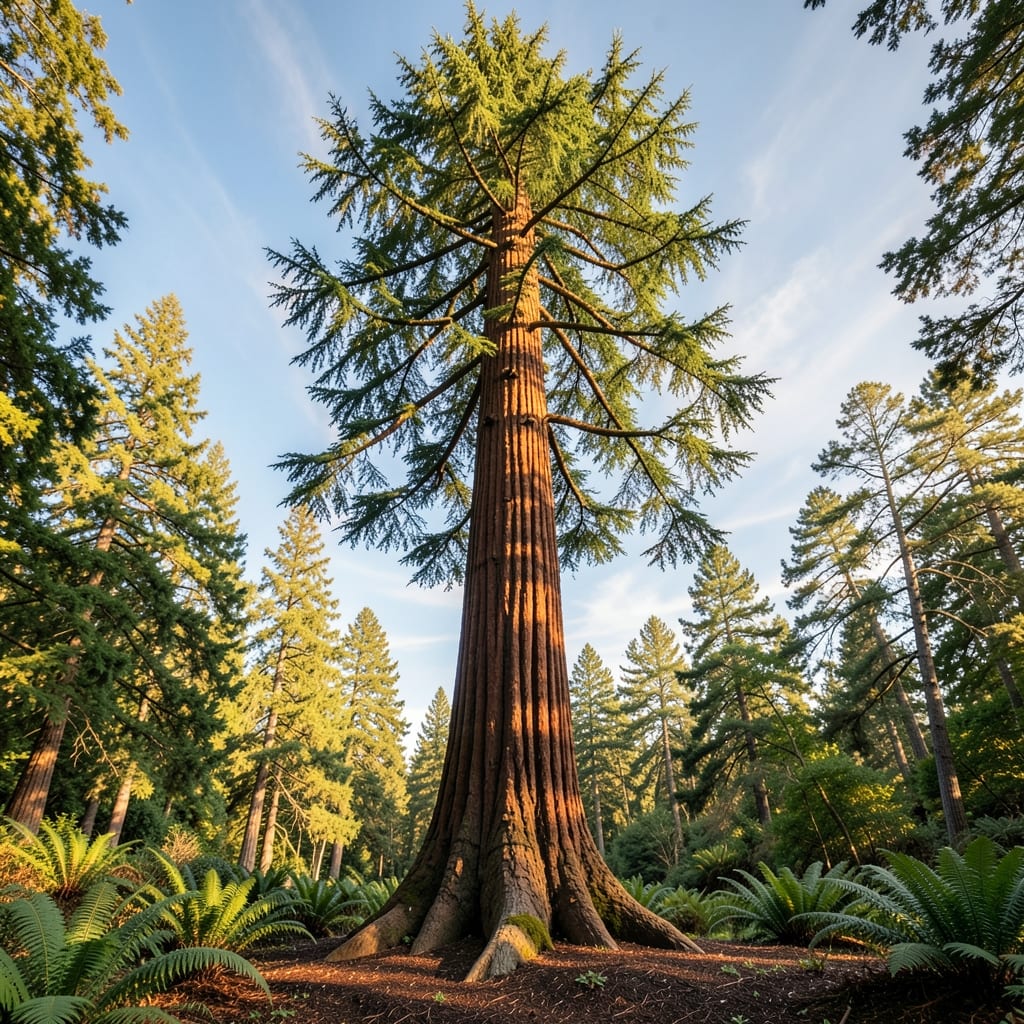
If you’ve ever gazed up at a Redwood Tree 🌲 and wondered just how tall these giants can grow, the answer might surprise you. These towering titans aren’t just the tallest trees on Earth—they’re architectural marvels that stretch higher than a 30-story building, with some reaching over 380 feet in the wild.
But what makes them grow so massive? The secret lies in their ideal conditions—foggy coastal climates, nutrient-rich soil, and rapid early growth. Unlike many trees, redwoods don’t just grow tall; they thrive in environments where they can stretch toward the sky without competition. And here’s the kicker: they don’t rush their growth—they take decades to reach their full potential.
Whether you’re a gardener dreaming of planting one or simply curious about nature’s skyscrapers, understanding their growth habits is fascinating. I’ll break down the science behind their staggering heights, compare coast redwoods to giant sequoias, and share tips for giving your own redwood the best shot at reaching its potential—even in a backyard.
Ready to discover how these ancient giants defy gravity? Let’s dive into the secrets of their record-breaking growth.


Redwood tree height records: tallest known specimens and scientific measurements
When I think about the tallest trees on Earth, my mind immediately jumps to the majestic coast redwoods and giant sequoias. These ancient giants aren't just the tallest trees in the world—they're architectural marvels that push the boundaries of nature. The tallest known coast redwood, named Hyperion, stands at a staggering 380 feet, while the tallest giant sequoia, the General Sherman, reaches 275 feet in height but boasts an unmatched 52,500 cubic feet of volume.
These measurements aren't just guesses—they're verified using advanced technology like laser rangefinders and LiDAR scanning. Scientists climb these trees (yes, really!) to take precise measurements, ensuring accuracy within a few inches. The Hyperion record was confirmed in 2006, and its height has been meticulously documented ever since. For perspective, that's taller than a 30-story building!
But how do these trees grow so tall? The secret lies in their optimal growing conditions, which include foggy coastal climates, nutrient-rich soil, and minimal competition from other plants. In their natural habitats, such as Redwood National and State Parks in California, these trees thrive with consistent moisture from coastal fog, which acts like a natural irrigation system.
Here’s a quick comparison of the two most famous redwood species and their height records:
| Tree Type | Tallest Known Specimen | Record Height (ft) | Location | Verification Method |
|---|---|---|---|---|
| Coast Redwood | Hyperion | 380 | Redwood National Park, California | Laser rangefinder |
| Giant Sequoia | General Sherman | 275 | Sequoia National Park, California | LiDAR scanning |
| Coast Redwood | Helios | 379.7 | Redwood National Park, California | Laser rangefinder |
| Giant Sequoia | General Grant | 268 | Kings Canyon National Park, California | LiDAR scanning |
What’s fascinating is that these trees don’t just grow tall—they grow fast during their early years. A coast redwood can grow up to 4 feet per year when young, though this slows as they mature. Meanwhile, giant sequoias grow more slowly but develop massive trunk diameters, sometimes exceeding 30 feet in width.
If you’ve ever wondered how scientists measure these trees without climbing them every time, they use a combination of trigonometry and technology. For example, a clinometer measures the angle from the ground to the top of the tree, while a tape measure determines the distance from the observer to the base. Multiply these two values, and you’ve got the tree’s height—no climbing required!
These records aren’t just impressive—they’re a testament to the resilience and adaptability of redwoods. They’ve survived for thousands of years, adapting to fires, droughts, and even human encroachment. Their ability to grow to such heights is a result of millennia of evolution in their ideal environments.
For gardeners dreaming of growing their own redwoods, remember that these trees need space, moisture, and patience. While you won’t reach 380 feet in your backyard, creating the right conditions can help your redwood thrive and reach impressive heights of its own.
🌲
Key factors that enable redwood trees to grow over 300 feet tall
Redwood trees don’t just grow tall—they thrive in conditions that allow them to reach unimaginable heights. The coast redwood, for example, relies on a perfect storm of environmental factors that most trees can’t match. At the top of the list is their foggy coastal climate, which provides a constant source of moisture without relying solely on rainfall.
In places like Redwood National Park, coastal fog can add up to 40% of a tree’s water needs during dry summer months. This natural mist acts like a daily shower, keeping the soil consistently moist and allowing the tree to focus its energy on vertical growth rather than survival. Without this fog, redwoods would struggle to reach their full potential, especially in inland areas where droughts are more common.
Here’s what makes their growth possible, broken down into the most critical factors:
- 1. Foggy Coastal Climates: Coastal redwoods thrive in areas with frequent fog, which provides consistent moisture and reduces water stress. This allows them to grow 4 feet per year in their youth without wilting.
- 2. Nutrient-Rich Soil: Redwoods grow best in well-draining, acidic soil rich in organic matter. Their shallow but extensive root systems spread out to absorb nutrients efficiently, even in thin soil layers.
- 3. Shallow but Wide Root Systems: Unlike deep-rooted trees, redwoods develop lateral roots that spread widely but stay close to the surface. This allows them to anchor in thin soil while accessing moisture and nutrients efficiently.
- 4. Rapid Early Growth: Redwoods grow fastest in their first 50 years, adding 3-4 feet annually during peak youth. This early burst of growth sets the stage for their eventual height records.
- 5. Minimal Competition: In their natural habitats, redwoods face little competition from other trees. Their ability to outcompete understory plants and thrive in dense forests allows them to allocate more energy to height.
Another fascinating factor is their fire-resistant bark, which allows redwoods to survive wildfires—a common occurrence in their native California habitats. This resilience means they can recover and continue growing after disturbances that would kill weaker trees. Their bark can be up to 12 inches thick, acting as a natural shield against heat and pests.
For gardeners looking to grow redwoods, replicating these conditions is nearly impossible in most backyards. However, you can still support their growth by ensuring well-draining soil, consistent moisture, and plenty of space. Even a small redwood will grow taller than most trees in your neighborhood if given the right care.
🌳