
Trees
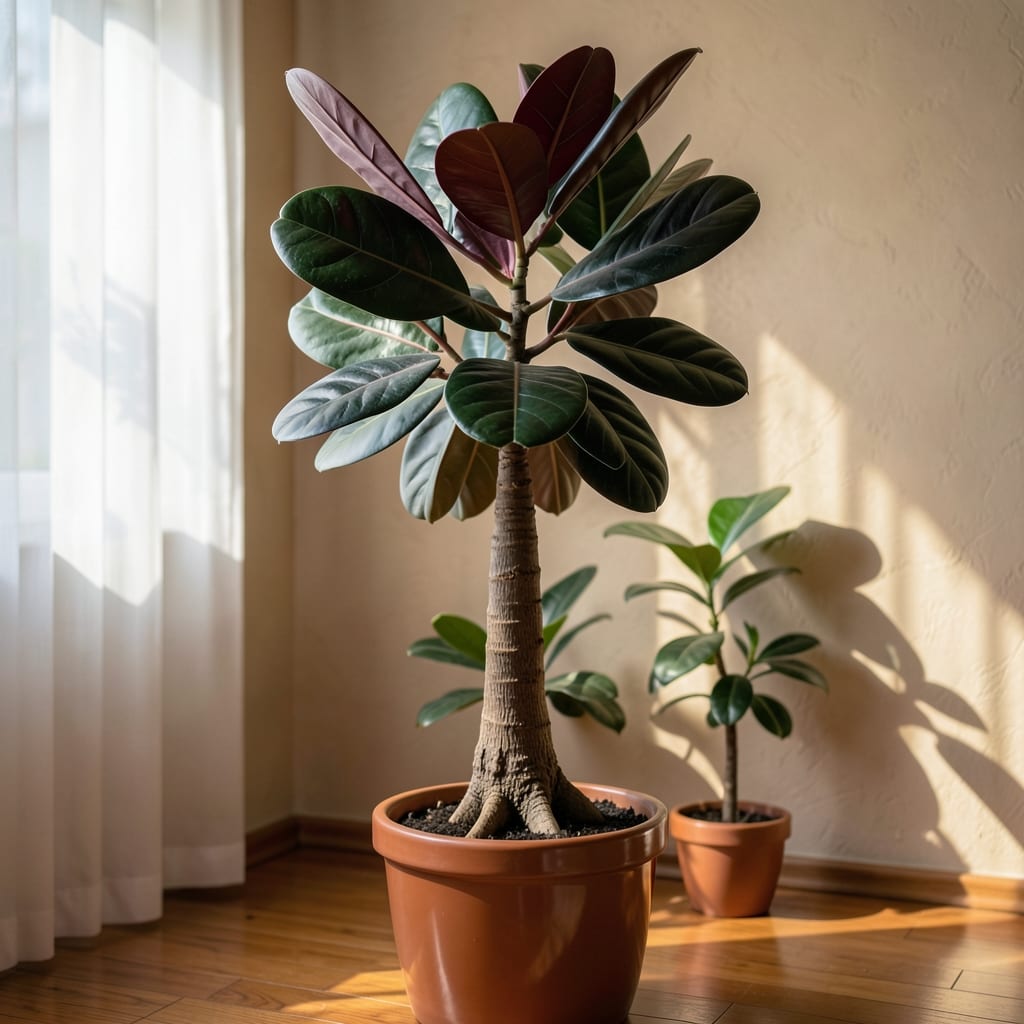
If you’ve ever wondered just how tall can rubber trees grow, the answer might surprise you—especially when comparing your cozy indoor plant to its wild outdoor cousins. That glossy-leaved 🌳 Rubber Tree you’ve nurtured for years could reach 10 feet indoors with the right care, but outdoors? It’s not uncommon to see them stretching toward 30 feet in ideal conditions.
The difference comes down to space, light, and whether your plant is crammed in a pot or sprawling in the ground. Indoors, growth is slower but manageable, while outdoor rubber trees thrive with room to stretch their branches toward the sky. I’ll break down the factors that shape their height—and how you can influence them, whether you want a towering statement plant or a compact desk companion.
You might assume pruning is the only way to control height, but light exposure and container size play just as big a role. A rubber tree starved for sunlight won’t grow tall, while one basking in bright indirect light could shoot up faster than expected. Let’s explore the science behind their growth and how to keep yours at your preferred height—no matter where it lives.
Ready to stop guessing and start growing? You’ll walk away with clear expectations for your rubber tree’s future height, plus actionable tips to shape it exactly how you want. Whether you’re dreaming of a 10-foot indoor giant or just want to keep yours from outgrowing your ceiling, this guide has you covered.


Natural height limits of rubber trees: indoor vs outdoor growth comparison
Rubber trees (Ficus elastica) are famous for their striking foliage and impressive height potential, but their growth varies dramatically between indoor and outdoor environments. In the wild or outdoor landscapes, these trees can reach 10 to 30 feet tall under ideal conditions, with some varieties exceeding 30 feet in tropical climates. However, indoors, their growth is typically stunted due to limited space and controlled lighting.
The key difference lies in their natural growth habits: outdoor rubber trees grow vertically and rapidly when given ample sunlight, space, and nutrients. Indoors, they rarely surpass 6 to 10 feet tall unless actively trained or pruned to encourage upward growth. Understanding these differences helps set realistic expectations for your rubber tree’s future height.
| Growth Condition | Average Height | Growth Rate | Key Factors |
|---|---|---|---|
| Outdoor (Tropical Climates) | 10–30 ft | 1–3 ft/year | Full sun, spacious soil, no pruning |
| Outdoor (Temperate Zones) | 6–15 ft | 6–12 in/year | Partial shade, seasonal dormancy |
| Indoor (Standard Care) | 3–6 ft | 3–6 in/year | Limited light, pot-bound roots |
| Indoor (Optimized Care) | 6–10 ft | 8–12 in/year | Grow lights, large pots, pruning |
Outdoor rubber trees thrive in USDA Zones 10–12, where they can grow aggressively with minimal intervention. In temperate zones (6–9), their growth slows due to cooler winters, but they still reach impressive heights with proper care. Indoors, even with optimal conditions, their growth is 50–70% slower than outdoors because of restricted root space and artificial lighting.
One common misconception is that rubber trees will naturally grow into towering giants indoors. In reality, most houseplant rubber trees stay under 6 feet unless you actively encourage vertical growth through techniques like staking or training. The table above highlights how environmental factors directly influence their mature height.
If you’re dreaming of a 10-foot indoor rubber tree, it’s possible but requires strategic care—like using grow lights, large containers, and regular pruning. Without these adjustments, expect a more modest, manageable size that fits comfortably in most homes. The trade-off? Slower growth and lower maintenance.
For outdoor gardeners, rubber trees are a long-term investment. They start small but can become small trees or shrubs over decades, making them ideal for privacy screens or tropical-themed landscapes. Indoors, they’re more of a low-maintenance statement plant that adds height and drama without overwhelming your space.
Whether you’re growing rubber trees indoors or outdoors, light exposure is the single biggest factor in determining their height. Outdoor trees bask in full sun for 6+ hours daily, while indoor trees often struggle with low-light conditions, leading to leggy, slower growth. Balancing these factors is key to achieving your desired height.
Pro tip: If you want a taller indoor rubber tree, rotate the pot regularly to ensure even light exposure on all sides. This encourages balanced growth and prevents the tree from leaning toward light sources, which can distort its shape and limit height potential.
🌱
Factors that determine rubber tree height: light, space, and pruning tips
Your rubber tree’s height isn’t just about genetics—it’s heavily influenced by the light it receives, the space it has to grow, and how you prune it. Unlike outdoor rubber trees that stretch toward the sky, indoor versions often stay compact unless given the right conditions. Let’s break down the key factors that shape your tree’s growth trajectory.
First, light exposure is the #1 growth regulator. Rubber trees thrive in bright, indirect light, which encourages vertical growth. Place yours near an east or north-facing window for optimal results. Without enough light, your tree will grow slowly and leggy, while too much direct sun can scorch its leaves and stunt growth. Think of light as the fuel for height—balance is key!
Container size plays a surprising role too. Rubber trees in small pots grow slower because their roots become root-bound, limiting nutrient uptake. If you want a taller tree, upgrade to a 12-inch or larger pot every 2-3 years. For outdoor trees, planting in the ground gives them the freedom to reach their full 10-30 ft potential, but even container-grown outdoor trees can hit 6-10 ft with proper care.
| Factor | Indoor Growth Impact | Outdoor Growth Impact |
|---|---|---|
| Light Exposure | Leggy growth (6-8 ft max) | Full sun = 10-30 ft |
| Container Size | Root-bound = stunted (3-5 ft) | Ground planting = 6-10 ft |
| Pruning Frequency | Regular pruning = controlled (4-6 ft) | Minimal pruning = natural height |
| Fertilization | Balanced NPK = steady growth | Organic matter = rapid growth |
Pruning is another game-changer for height control. If you want a taller rubber tree, avoid heavy pruning—focus on removing only dead or yellowing leaves. For a bushier, shorter tree, prune the top 2-3 inches to encourage lateral growth. Always use sterilized pruners to prevent disease, and prune in spring or early summer for best results.
Finally, temperature and humidity matter. Rubber trees grow best in 65-80°F environments with 40-50% humidity. Low humidity can cause leaf drop and slow growth, while drafty areas stunt vertical expansion. Use a humidifier or place a pebble tray under the pot to mimic their tropical roots.
Remember, even with perfect conditions, rubber trees grow at about 12 inches per year indoors. With patience and the right care, you can coax your indoor tree toward 6-8 ft, while outdoor trees will reach their full majestic height—given enough space and sunlight. 🌿