
How To
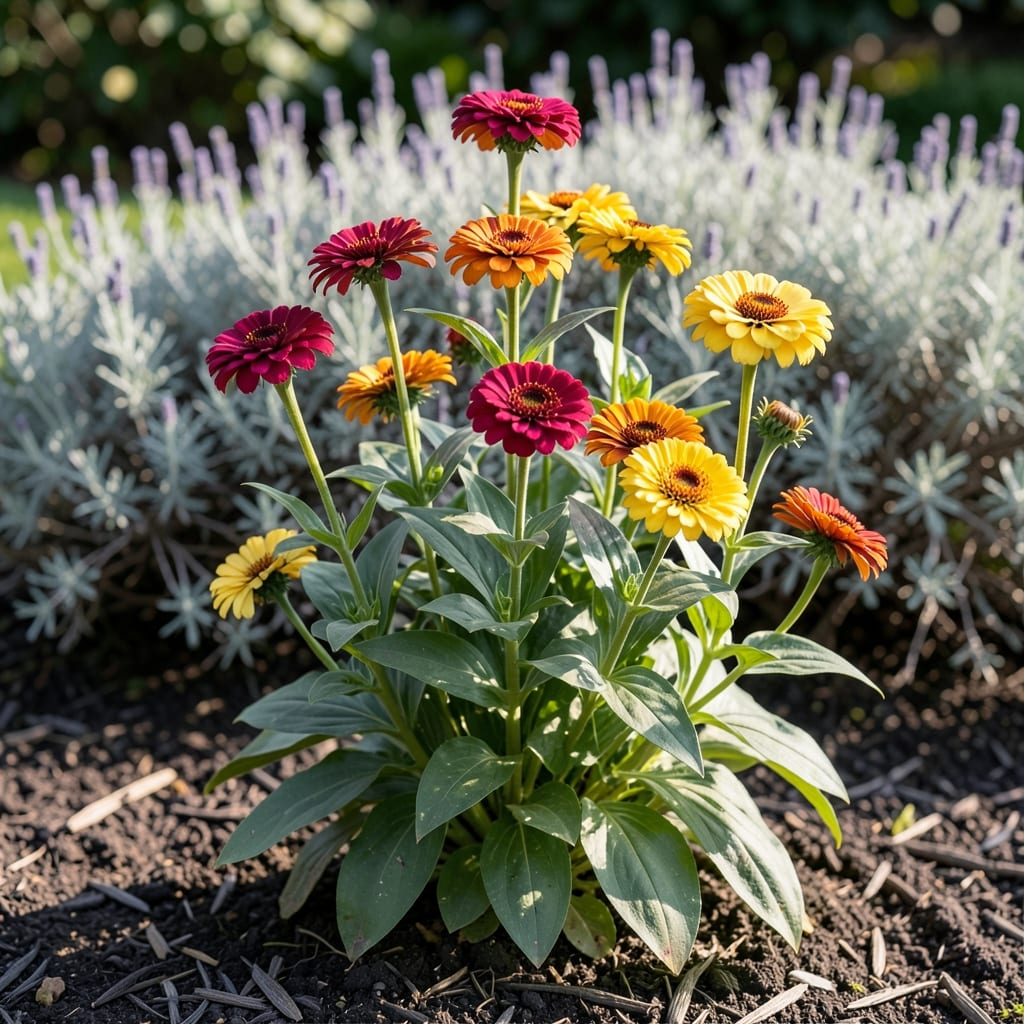
Zinnia height by variety: dwarf to giant flowering giants
When planning your garden, knowing how tall zinnias grow helps you choose the perfect varieties for your space. Zinnias range from tiny dwarf cultivars that fit in window boxes to towering giant varieties that create dramatic borders. The right choice depends on your garden design and maintenance preferences.
Most zinnias fall into three height categories: dwarf (6-12 inches), medium (1-2 feet), and tall (2-4 feet). Each category offers unique benefits—dwarf varieties are ideal for containers, while tall types make stunning cut flowers. Let’s explore the most popular varieties in each group.
| Variety | Height Range | Best For | Bloom Time |
|---|---|---|---|
| Thumbelina Series | 6-12 inches | Containers, borders, fairy gardens | Early summer to frost |
| Crystal Series | 12-18 inches | Cut flowers, cottage gardens | Mid-summer to fall |
| Profusion Series | 12-18 inches | Mass planting, pollinator gardens | Early summer to frost |
| Benary’s Giant | 2-4 feet | Cut flower arrangements, back of borders | Mid-summer to fall |
| State Fair | 2-3 feet | Dried flowers, pollinators | Late summer to frost |
🌼 Choose your zinnia height based on your garden’s layout and needs!
For small spaces, dwarf zinnias like 'Thumbelina' are perfect—they thrive in pots and window boxes while still producing abundant blooms. These varieties also resist flopping in windy conditions, making them ideal for urban gardens or balconies.
If you’re aiming for a dramatic garden display, tall zinnias like 'Benary’s Giant' or 'State Fair' create stunning vertical interest. These varieties need sturdy stems and may require occasional pruning for support, but their bold blooms make them worth the extra care.
Medium-height zinnias, such as the 'Profusion' series, offer the best of both worlds—they’re tall enough to create a full garden bed but don’t require heavy staking. These are my go-to for pollinator-friendly gardens, as their long bloom time attracts bees and butterflies all season.
Pro tip: Mix heights in your garden for a natural, layered look. Place tall zinnias at the back of borders, medium varieties in the middle, and dwarf types along edges or in containers. This creates depth and draws the eye through your garden design.
Remember, zinnias grow taller with proper care, so even dwarf varieties can stretch a bit if given optimal sunlight and nutrients. However, their mature height is generally predictable, so you can plan your garden layout with confidence.
Seasonal and soil factors that affect zinnia height
Zinnia height isn’t just about the variety you choose—seasonal timing and soil conditions play starring roles in how tall your plants grow. Planting zinnias too early in spring, when soil temperatures are still chilly, can stunt their growth, while late summer heatwaves might cause them to bolt or wilt. The key is strategic planting and soil prep to unlock their full potential.
For example, spring-planted zinnias in warm climates (USDA zones 8+) often reach their maximum height of 3-4 feet by midsummer, while those planted in cooler zones may only hit 1-2 feet without proper care. Meanwhile, fall-planted zinnias can surprise you with extra height if given consistent warmth and sunlight before the first frost.
Soil nutrients are equally critical. Zinnias thrive in well-draining, slightly acidic soil (pH 6.0-7.0), but they’re not heavy feeders. Over-fertilizing with nitrogen can lead to leafy growth at the expense of height—focus instead on a balanced 5-10-5 fertilizer applied every 4-6 weeks to encourage sturdy stems and vibrant blooms.
Watering habits also impact height. Deep, infrequent watering (every 2-3 days) encourages strong root systems, while shallow, frequent watering can weaken stems and reduce height. Aim to water early in the morning to prevent fungal diseases that may compromise structural integrity.
Another often-overlooked factor is sunlight exposure. Zinnias need 6-8 hours of full sun daily to reach their tallest potential. Even a few hours of shade can limit growth, causing plants to stretch (a condition called etiolation) or produce fewer blooms. If your garden lacks full sun, consider container gardening near a south-facing window or wall.
Finally, mulching can boost height by keeping soil temperatures stable and reducing competition from weeds. Apply a 2-inch layer of organic mulch (like straw or shredded leaves) around the base of your zinnias, but keep it 6 inches away from the stems to prevent rot.
🌱
Key Factors for Tall Zinnias
Plant when soil reaches 55°F+
6-8 hours daily for max height
Deep watering every 2-3 days
Keep soil moist but not soggy
5-10-5 NPK every 4-6 weeks
Avoid early spring or late summer
By mastering these seasonal and soil factors, you can coax zinnias to reach their full height potential—whether you’re aiming for dwarf varieties in containers or towering giants in your backyard. Experiment with planting times and soil amendments to find what works best in your climate!
🌻