
How To
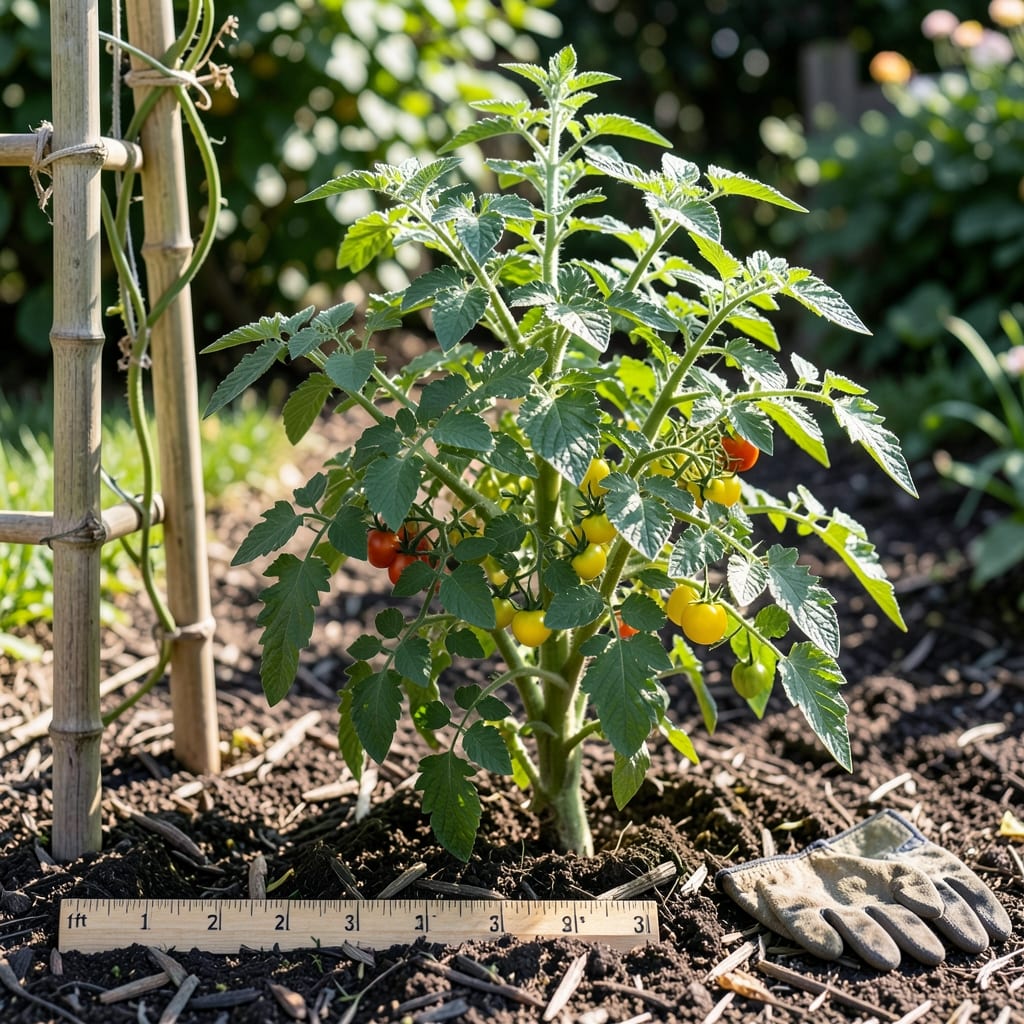
If you've ever wondered how tall cherry tomatoes grow and whether your small space can handle them, you're in the right place. These vibrant 🍅 plants might surprise you—they can range from compact 18-inch bushes to towering 6-foot vines, depending on the variety and growing conditions.
For beginners in USDA Zone 6a, knowing the difference between determinate (bush-type) and indeterminate (vining) varieties is key. Determinate types stay shorter, making them perfect for containers, while indeterminate varieties climb and produce fruit all season long. Whether you're planting in pots or in the ground, understanding these growth patterns helps you plan your garden layout for maximum yield.
But here's the secret: with the right support and pruning, even small spaces can grow bountiful cherry tomato harvests. I'll show you how to control vine height, avoid common mistakes that stunt growth, and get the most out of your plants—whether you're working with a balcony garden or a backyard plot.
Ready to transform your space into a cherry tomato paradise? Let's dive into the vine length secrets that will change how you grow these sweet, sun-loving plants.

Cherry tomato vine height by variety: from dwarf to towering types
If you're planning your cherry tomato garden, knowing the vine height of different varieties is key to choosing the right spot. Some stay compact enough for 5-gallon buckets, while others need 6-foot trellises. The difference comes down to two growth habits: determinate (bush-type) and indeterminate (vining). Let’s break down what to expect from popular varieties and how to plan your space accordingly.
Determinate varieties are the short-statured superstars of cherry tomatoes, perfect for small gardens or containers. These plants grow to a predictable height (usually 2–4 feet) and produce fruit all at once, making them ideal for heavy harvests in a short window. Indeterminate types, on the other hand, keep growing and producing fruit until frost hits, but they can reach 6–10 feet tall without support. The trade-off? Indeterminate plants offer a longer harvest season with continuous fruit production.
Before you plant, check the variety’s mature height and growth habit. For example, 'Tiny Tim' stays under 18 inches, while 'Sweet Million' can climb to 6+ feet if left unchecked. If you’re short on space, dwarf varieties like 'Patio Princess' (2–3 feet) are perfect for container gardening. But if you love fresh tomatoes all summer, indeterminate types like 'Sun Gold' will reward you with weeks of harvests—if you’re willing to provide the vertical space.
For container gardening, stick to dwarf or semi-dwarf varieties. A 5-gallon bucket can comfortably hold 'Tiny Tim' or 'Patio Princess', but you’ll need a 10-gallon pot for indeterminate types like 'Sweet Million' to thrive. If you’re planting in the ground, indeterminate varieties will need sturdy trellises or cages to support their weight and keep fruits off the soil. Without support, vines can sprawl up to 10 feet, but this often leads to blight-prone fruit and tangled messes.
Another factor to consider is harvest timing. Determinate varieties produce all their fruit at once, so they’re great for canning or preserving. Indeterminate types, however, give you a steady supply all season—ideal for fresh eating. If you’re a beginner, start with a mix of both: a few dwarf plants for containers and one indeterminate variety for a trellis. This way, you get the best of both worlds: early harvests and long-term production.
Pro tip: If you love the idea of tall vines but lack space, try espalier training. This technique flattens vines against a fence or wall, saving horizontal space while still allowing indeterminate types to reach their full height. It’s a game-changer for urban gardeners or those with limited backyard real estate. Just ensure your trellis or support system is buried 12 inches deep or secured with heavy stakes to handle the weight of fruit-laden vines.
Now that you know which varieties fit your space, the next step is choosing the right support system. For dwarf plants, a simple cage or stake works, but indeterminate types need something more robust. Look for galvanized wire trellises or bamboo stakes that can handle 6+ feet of growth. If you’re growing in containers, a tomato tower or vertical fabric sleeve can maximize space while keeping vines organized.
One common mistake is assuming all cherry tomatoes grow the same way.
How to control cherry tomato height in containers vs. ground planting
Cherry tomatoes thrive when you guide their growth—whether you're working with 5-gallon containers or spacious garden beds. The key lies in understanding how indeterminate varieties (like 'Sweet 100') sprawl versus determinate types (like 'Tiny Tim') that stay compact. In containers, you'll need vertical support to prevent vines from toppling, while in-ground plants can spread more freely—but only if you prune strategically.
For container gardening, choose dwarf or semi-dwarf varieties to save space. Even then, a sturdy tomato cage or trellis is non-negotiable—especially if you're using fabric grow bags or small pots. Without support, vines can reach 3-4 feet in just a few weeks, overwhelming your setup. In-ground plants, however, can handle taller varieties like 'Sun Gold' (up to 6 feet) if you provide a tall trellis or let them sprawl on the ground with proper mulching.
- Prune suckers weekly to redirect energy to fruit production. Remove suckers (shoots in leaf axils) when they're 1-2 inches long.
- Use tomato cages (5-6 ft tall) for indeterminate varieties in containers. Secure vines with soft ties to avoid stem damage.
- Train vines upward with trellises or bamboo stakes in ground beds. Weave vines through horizontal supports for stability.
- Top-dress with compost monthly to encourage root growth, which stabilizes taller plants naturally.
- For determinate varieties, let them bush out—no pruning needed! Just ensure 3-4 feet of space between plants.
One common misconception is that bigger containers always mean taller plants—but that's not the case. A 10-gallon pot can hold a 6-foot indeterminate vine if you prune and support it, but it won't grow taller than its variety's potential. The container's job is to support root health, not limit height. In-ground plants, on the other hand, can stretch taller if you avoid over-pruning and provide rich, well-draining soil.
If you're short on space, try espalier training—a technique where you spread vines horizontally along a fence or wall. This works beautifully for patio gardening and keeps plants at a manageable 3-4 feet height while maximizing yield. Just be sure to space ties every 6-8 inches to prevent stem stress. For ground planting, mulch heavily with straw or wood chips to retain moisture and reduce the need for excessive pruning.
Remember, height control isn't about stunting growth—it's about optimizing space and yield. Even the tallest cherry tomato vines (like 'Black Cherry') will produce more fruit when properly supported. Start with the right variety for your space, then adjust pruning and support as the season progresses. With these techniques, you can grow bushy, productive plants in half the footprint—perfect for urban gardens or small backyards!
🌿