
Trees
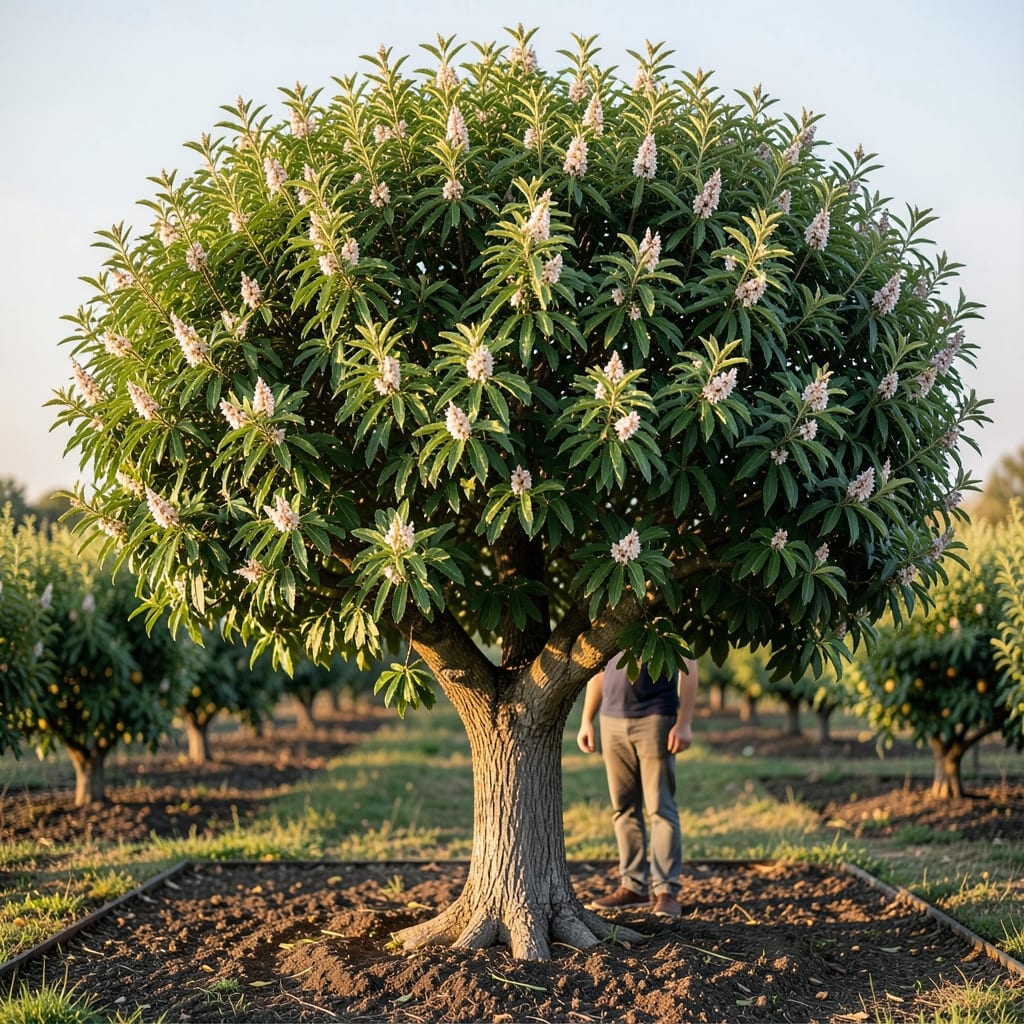
Almond tree height by variety: dwarf to standard to giant sizes
Almond trees come in a stunning range of heights, from dwarf varieties that fit cozy backyards to giant commercial trees that dominate orchards. The size you choose depends entirely on your space and goals—whether you're dreaming of fresh nuts or simply love the tree's elegant shape. Let's break down the exact height ranges for each category, so you can pick the perfect fit for your garden.
First, understand that almond tree height is primarily determined by the rootstock used during propagation. Dwarf rootstocks keep trees compact, while standard or seedling rootstocks allow them to reach their full towering potential. For home gardeners, this means you can grow almonds in containers or small yards without sacrificing the joy of harvesting your own nuts.
Here’s how almond trees typically grow by variety, with practical comparisons to help visualize their mature sizes:
If you're growing almonds in a container, dwarf varieties like Nonpareil or Butte are your best bet. These can thrive in large pots (at least 24 inches in diameter) and still produce nuts, though yields may be smaller. For pollination, pair dwarf trees with compatible varieties—like planting a Carmel next to a Price—since most almond trees require cross-pollination to bear fruit.
Standard and giant varieties, on the other hand, are better suited for rural properties or commercial orchards. These trees develop a wide canopy (up to 25 feet across) and deep root systems, making them less practical for urban settings. However, their higher yields and longer lifespan (50–100 years!) make them a favorite for serious growers.
One common misconception is that all almond trees grow to 40 feet or taller. While this is true for unpruned, seedling-grown trees, modern rootstocks and grafting techniques have revolutionized almond cultivation. Today, you can enjoy the beauty and bounty of almond trees—even in a small urban garden—by choosing the right variety and rootstock combination.
For visual reference, imagine a dwarf almond tree reaching the height of a basketball hoop (10 feet), while a standard tree towers like a two-story building (25 feet). Giant varieties can dwarf even the tallest homes, so plan accordingly if you're dreaming of a backyard orchard.
Pro tip: If space is limited, consider espalier training for dwarf varieties. This technique involves pruning and shaping the tree against a wall or trellis, keeping it compact while maximizing fruit production in tight spaces. It’s a game-changer for city dwellers with green thumbs!
How to choose the right almond tree size for your space
Selecting the perfect almond tree size depends on your garden's layout and long-term goals. Dwarf varieties (8-12 ft) thrive in containers or small yards, while standard trees (20-30 ft) need spacious orchards. Consider your pollination needs too—some varieties require cross-pollination from other trees.
For urban gardens, dwarf or semi-dwarf trees (12-16 ft) are ideal. They produce full-sized nuts but stay manageable. In rural areas, standard or giant trees (30-40+ ft) dominate, offering higher yields but needing wide spacing (30-50 ft apart) for airflow and sunlight.
🌱
| Variety | Mature Height | Best For | Spacing Needs |
|---|---|---|---|
| Dwarf (e.g., 'Nonpareil') | 8-12 ft | Containers, small yards | 10-15 ft apart |
| Semi-Dwarf (e.g., 'Carmel') | 12-16 ft | Residential backyards | 15-20 ft apart |
| Standard (e.g., 'Butte') | 20-30 ft | Orchards, rural farms | 30-40 ft apart |
| Giant (e.g., 'Fritz') | 30-40+ ft | Commercial orchards | 50+ ft apart |
Pruning plays a critical role in managing height. For dwarf trees, annual pruning keeps them compact, while standard trees benefit from structural pruning every 2-3 years. Always prune in late winter before buds swell to avoid disease.
Climate matters too. In cooler zones (USDA 6-7), semi-dwarf trees grow slower but stay healthier. In hot, dry climates (USDA 8-10), standard trees thrive with minimal height restrictions. Test your soil's drainage and pH—almond trees hate soggy roots!
Pro tip: If space is tight, opt for columnar varieties like 'Padre,' which grow only 12-15 ft tall but produce abundantly. Just ensure they get 6+ hours of sun daily—no compromises!
✂️