
Size
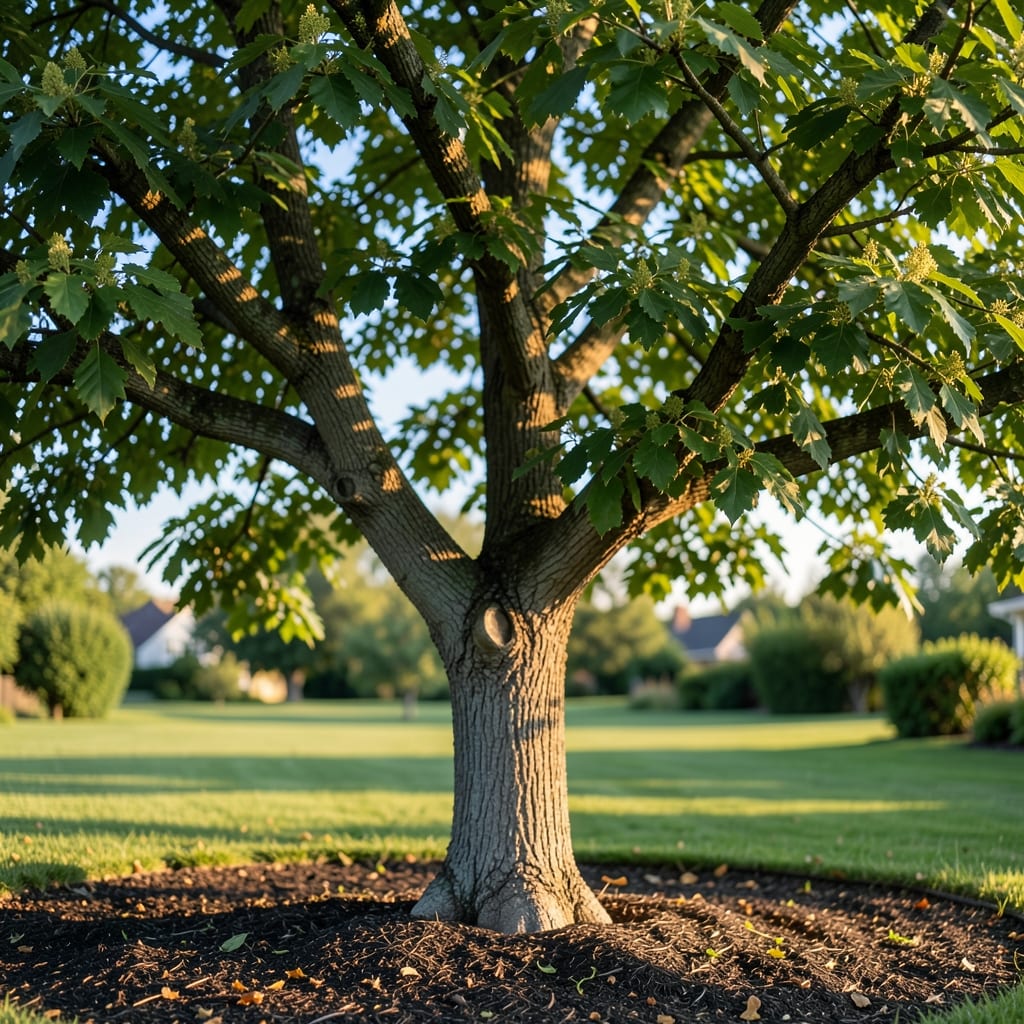
If you're dreaming of a majestic shade tree for your yard, the American Elm 🌳 might be the perfect choice—but first, you need to know how tall these iconic trees can grow under different conditions.
Under ideal circumstances, these towering beauties can reach heights of 40 to 80 feet, making them one of the tallest native trees in North America. But their growth isn't just about height—it's also about how quickly they fill your landscape with lush, dappled shade.
What influences whether your American Elm becomes a gentle giant or a more manageable specimen? The answer lies in factors like soil quality, sunlight exposure, and even your pruning habits. Let me break down exactly what you need to know to plan for the perfect placement in your yard.
From the spring planting window in Zone 6a to long-term care tips, you'll discover how to nurture a tree that not only reaches its full potential but also thrives for decades to come.


American Elm tree height: mature size ranges by species and variety
The American Elm (Ulmus americana) is a legendary shade tree known for its towering stature and graceful branches. But did you know there are variations in height depending on the specific elm variety? Let's explore the mature size ranges so you can choose the perfect fit for your landscape.
Most classic American Elm trees reach heights between 40 to 80 feet at maturity, with some exceptional specimens surpassing 100 feet in ideal conditions. These trees develop a spreading canopy that can reach 50 to 75 feet wide, creating an expansive shade canopy perfect for large yards.
However, not all elms are created equal. The Siberian Elm (Ulmus pumila), a hardier cousin, typically grows 30 to 50 feet tall, making it a more manageable option for smaller properties. Meanwhile, the Dutch Elm Disease-resistant varieties like 'Valley Forge' or 'Princeton' often stay between 50 to 70 feet tall, offering a balance of height and disease resistance.
For those with limited space, consider the 'New Horizon' Elm, a dwarf variety that maxes out around 25 to 35 feet tall. This makes it ideal for urban landscapes or smaller backyards where space is at a premium.
Here's a quick comparison of how these varieties stack up in terms of mature height and spread:
| Variety | Mature Height | Canopy Spread | Best For |
|---|---|---|---|
| Classic American Elm | 40–80 ft | 50–75 ft | Large estates, parks |
| Siberian Elm | 30–50 ft | 30–50 ft | Urban areas, tough climates |
| Dutch Elm Disease-Resistant (e.g., 'Valley Forge') | 50–70 ft | 40–60 ft | Suburban yards, disease-prone areas |
| 'New Horizon' Elm (Dwarf) | 25–35 ft | 20–30 ft | Small yards, urban gardens |
When planning your landscape, remember that canopy spread is just as important as height. A tree with a 50-foot spread will cast shade far beyond its trunk, so give it plenty of room to avoid overcrowding nearby plants or structures.
For example, if you plant a classic American Elm 20 feet from your house, its branches could easily extend 15 to 20 feet beyond that, creating a stunning shade umbrella. Always check local tree ordinances before planting—some cities require permits for trees over 30 feet tall at maturity.
Now that you know the height ranges, let’s explore what factors can influence whether your elm reaches its full potential—or stays shorter than expected.
Factors that influence American Elm tree height and growth rate
Your American elm's final height isn't set in stone—it's shaped by a mix of natural conditions and your care choices. Understanding these key growth factors will help you predict whether your tree will reach the 80-foot mark or stay more compact.
First, consider your climate zone. In warmer regions like USDA Zone 8+, these trees grow faster and taller, while cooler zones like Zone 6a may see slightly slower, more controlled growth. The native American Elm thrives where summers are hot and winters mild.
Soil quality plays a massive role too. Well-draining, loamy soil rich in organic matter encourages rapid growth, while clay-heavy or waterlogged soil can stunt height potential. Always amend planting sites with compost for best results.
Sunlight exposure directly impacts vertical growth. Full sun conditions (6+ hours daily) fuel faster height increases, while partial shade may limit your elm to 50-60 feet at maturity. South-facing locations provide ideal light conditions.
Watering habits matter more than you might think. Young elms need deep, consistent watering to establish strong root systems that support future height. Underwatering can reduce mature height by 20-30%**, while proper irrigation helps them reach their genetic potential.
Pruning practices can dramatically alter growth patterns. Regular structural pruning in early spring encourages upward growth, while crown reduction techniques can limit height if needed. Remember, pruning should never exceed 25% of the canopy in a single session.
Finally, consider your tree's genetic variety. While classic American elms reach 70-80 feet, disease-resistant hybrids like 'Valley Forge' often max out around 50-60 feet. Always check your specific cultivar's growth characteristics before planting.
By understanding these factors, you can make informed decisions about where to plant your American elm and what care practices will help it reach its full potential—whether that means a towering shade provider or a more manageable specimen for your landscape.