
Size
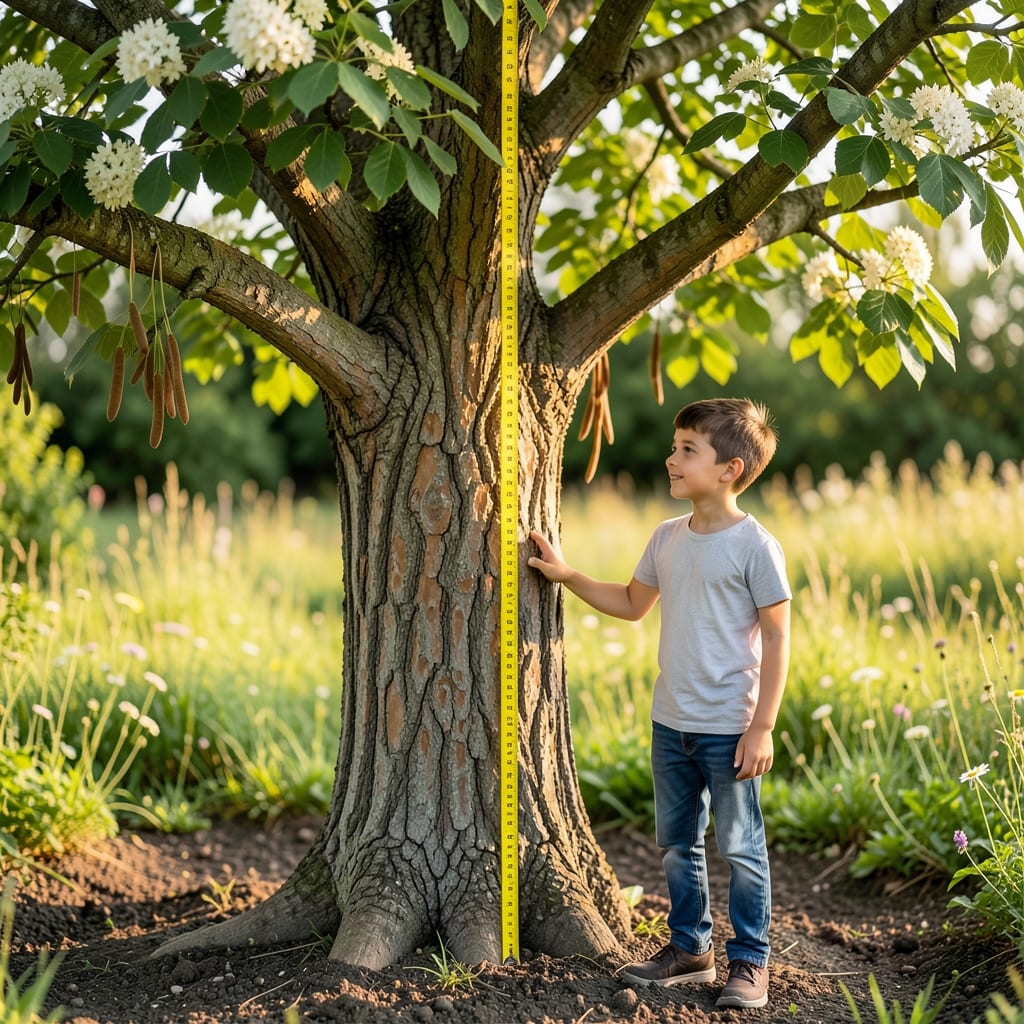
When you're planning your landscape and wondering "how tall do black locust trees grow", you're looking at one of nature's fastest-growing shade trees—capable of reaching 60 feet or more under ideal conditions. That's taller than most two-story homes, so spacing and placement become critical decisions before you plant.
What makes the black locust tree 🌳 so appealing is its rapid growth rate—adding 3 to 5 feet per year in the right conditions. But this speed comes with trade-offs, like how quickly it can outgrow small yards or power lines if not managed properly. Understanding these growth patterns helps you decide whether this tree fits your space and long-term vision.
Beyond height, black locust trees offer other perks like drought tolerance and wildlife benefits, making them a favorite for eco-conscious gardeners. However, their size means you'll need to plan for pruning or companion planting to keep your landscape balanced. Let's break down everything you need to know about managing their impressive growth.
Whether you're drawn to their speed or their hardy nature, knowing how tall black locust trees grow will help you make smarter planting choices. From urban gardens to rural properties, these trees deliver big rewards—but only if you're prepared for their mature size. Ready to learn how to harness their potential without the headaches?


Black locust tree height: mature size range & growth speed explained
Black locust trees (Robinia pseudoacacia) are famous for their rapid vertical growth, often reaching heights of 40 to 60 feet at maturity. That’s roughly the height of a 3- to 4-story building, making them a dominant feature in any landscape. Their growth speed—3 to 5 feet per year—is one of the fastest among native North American trees, which is why many gardeners love them for quick shade solutions.
However, their impressive height comes with considerations. If you're planting near power lines, sidewalks, or small structures, you’ll need to plan for regular pruning to manage their spread. Without intervention, these trees can easily outgrow their intended space, becoming more of a liability than an asset. Understanding their growth habits helps you decide whether they’re the right fit for your yard.
Here’s the key detail: black locust trees grow fastest in their first 10 to 15 years, then slow down slightly as they mature. This means most of their height gain happens early, which is great if you’re patient but less ideal if you’re working with limited space. Their spreading canopy can reach 30 to 50 feet wide, so spacing is just as critical as height when planting.
| Growth Stage | Height Range | Canopy Width | Growth Rate |
|---|---|---|---|
| Seedling (Year 1) | 3–5 ft | 2–3 ft | 3–5 ft/year |
| Young Tree (Years 3–5) | 15–25 ft | 10–15 ft | 3–4 ft/year |
| Mature Tree (Years 10+) | 40–60 ft | 30–50 ft | 1–2 ft/year |
🌳 Black Locust Growth Timeline
The ideal conditions for maximum height include full sun exposure (6+ hours daily) and well-draining soil. Black locust trees thrive in USDA zones 4–9, but their growth rate can slow in cooler climates or poor soil. If you’re in a drought-prone area, these trees are a great choice—they’re incredibly resilient once established.
One factor that often surprises gardeners is how root competition affects growth. Black locust trees have deep, aggressive roots that can outcompete nearby plants for water and nutrients. This is why many experts recommend planting them at least 20–30 feet away from other trees or shrubs. If you’re planting in a small yard, consider container growing (though they’ll need large pots) or pruning to control their size.
For those wondering about pruning impact, strategic pruning can reduce height by up to 20–30% if done annually. However, heavy pruning should only be done in late winter or early spring to avoid stressing the tree. Always use sterilized tools to prevent disease transmission, as black locust trees are susceptible to fungal infections if wounded improperly.
If you’re comparing black locust trees to other fast-growing species like silver maple or hybrid poplar, their height potential is similar, but black locusts have the edge in lifespan and hardiness. They can live for 100+ years with proper care, making them a long-term investment for your landscape. Their fragrant white flowers in spring and wildlife-friendly seeds add extra value beyond just shade.
Before planting, check local regulations—some areas restrict black locust trees due to their invasive potential in certain ecosystems. If you’re unsure, consult your local cooperative extension office for guidance. With the right planning, these trees can be a stunning, low-maintenance addition to your property—just be prepared for their impressive stature!
Black locust tree height: mature size range & growth speed explained
Black locust trees (Robinia pseudoacacia) are renowned for their rapid growth and impressive mature height, often reaching between 40 to 60 feet under ideal conditions. In the right environment—with full sun exposure and well-draining soil—these trees can even surpass 60 feet, making them one of the fastest-growing hardwood trees in North America. Their towering presence is matched only by their ability to thrive in drought-prone areas, which makes them a favorite for both urban and rural landscapes.
What sets black locust trees apart is their growth rate. Young trees can shoot up 3 to 5 feet per year during their first decade, though this slows slightly as they mature. By age 10, they typically stand between 20 to 30 feet tall, and by age 20, they may already be nearing their full height. This rapid ascent means you’ll see dramatic changes in your landscape within just a few years—though it also means careful planning is essential to avoid overcrowding or conflicts with power lines.
Here’s the key detail many gardeners overlook: while black locust trees are fast growers, their final height depends heavily on growing conditions. Trees planted in nutrient-rich soil with consistent moisture will reach the upper end of the height spectrum, while those in poor soil or dry climates may max out around 30 to 40 feet. Their spread is nearly as impressive as their height, with a 30 to 50-foot canopy, so spacing is critical if you’re planting multiple trees.
| Growth Stage | Height Range | Annual Growth Rate | Key Notes |
|---|---|---|---|
| Seedling (Year 1) | 3–5 ft | 3–5 ft | Fastest growth phase; needs consistent watering. |
| Juvenile (Years 2–10) | 8–30 ft | 2–4 ft/year | Prune to shape; avoid over-trimming. |
| Mature (Years 10+) | 40–60 ft | 1–2 ft/year | Growth slows; focus on maintenance pruning. |
| 🌳 Pro Tip: Mulch annually to retain moisture and boost growth in early years. | |||
If you’re comparing black locust trees to other fast-growing shade trees, their height is on par with silver maples (which can reach 50 to 80 feet) but generally outpaces hybrid poplars (which max out around 40 feet). The trade-off? Black locust trees have a longer lifespan (50–100 years) and are far more drought-resistant, making them a better long-term investment for dry climates. Their dense foliage also provides excellent shade and wildlife habitat, attracting birds and pollinators.
For gardeners in urban areas, the height of black locust trees can be a double-edged sword. While they offer quick shade, their mature size may require regular pruning to prevent overgrowth near homes or power lines. In rural settings, however, their height and spread make them ideal for windbreaks or privacy screens. Always check local regulations before planting, as some areas restrict tree heights near property lines.
To maximize growth and ensure your black locust tree reaches its full potential, focus on well-draining soil, full sun exposure, and minimal interference during its first decade. With the right conditions, you’ll have a stunning, towering tree that becomes the centerpiece of your landscape—just be prepared for the space it demands! 🌳