
How To
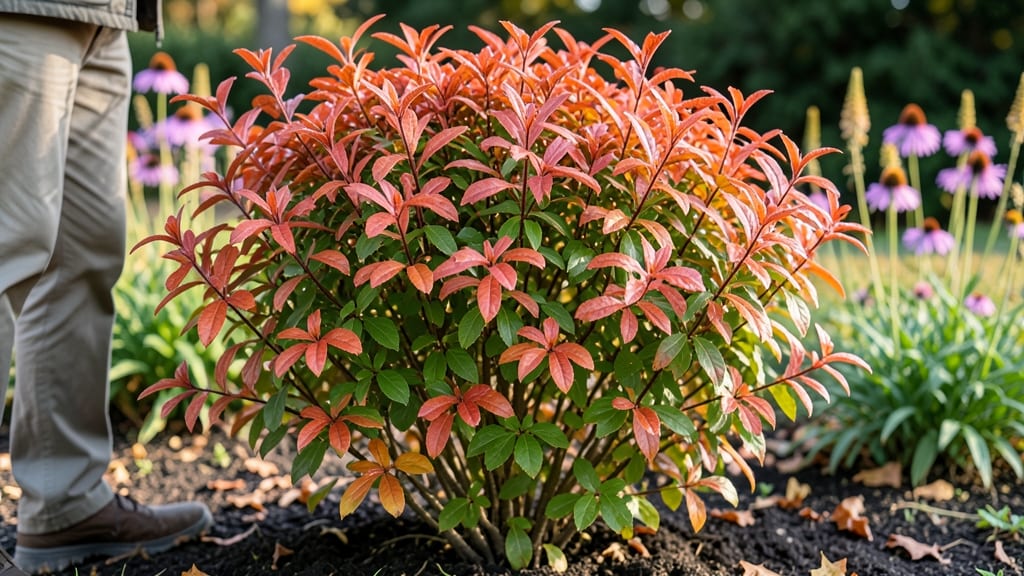
Knowing how tall do burning bushes grow is the first step to planning your landscape like a pro—because this fiery 🌿 shrub can shoot up from 6 feet to a towering 15 feet, depending on the variety and care you give it.
If you're dreaming of a vibrant privacy screen or a bold hedge, understanding these height ranges will save you from overcrowding or underwhelming results.
Some cultivars stay compact, while others reach small-tree heights—so let’s break down exactly what to expect and how to shape your burning bush for the perfect fit in your yard.
Whether you’re dealing with a 3-foot dwarf or a 15-foot standard, pruning plays a huge role in controlling growth. I’ll share the best techniques to keep your shrub at your ideal height without sacrificing its stunning fall color or health.
Ready to stop guessing and start growing? Let’s dive into the exact heights, pruning tips, and common mistakes that could be stunting—or skyrocketing—your burning bush’s size.

Burning bush height by cultivar: exact growth ranges (with visual comparison)
When planning your landscape, understanding the mature height of burning bushes is essential—especially since different cultivars vary dramatically in size. The standard Euonymus alatus typically reaches 6 to 15 feet tall, but some dwarf varieties stay under 5 feet.
Choosing the right type ensures your design fits your space without requiring constant pruning.
Height isn’t the only factor—growth rate matters too. Most burning bushes grow 1 to 2 feet per year when young, slowing as they mature. This means a 6-foot plant today could be 10 feet tall in just 5 years if unpruned.
Knowing these details helps you space plants correctly and avoid overcrowding.
Below is a visual comparison of the most popular burning bush cultivars, including their mature height ranges, growth habits, and best uses. This table makes it easy to pick the perfect variety for your yard, whether you need a privacy screen, hedge, or specimen plant.
| Cultivar | Mature Height | Spread | Growth Rate | Best For |
|---|---|---|---|---|
| Compactus | 3–5 ft | 3–4 ft | Slow (6–12 in/year) | Containers, small gardens, hedges |
| Emerald Gaiety | 5–8 ft | 4–6 ft | Moderate (1–2 ft/year) | Privacy screens, mixed borders |
| Rudy Haackii | 8–12 ft | 6–8 ft | Fast (2–3 ft/year) | Tall hedges, focal points |
| Standard Euonymus alatus | 10–15 ft | 8–12 ft | Moderate (1–2 ft/year) | Woodland edges, large landscapes |
| Alatus 'Witchita' | 4–6 ft | 3–5 ft | Slow (6–12 in/year) | Foundation plantings, small spaces |
The Compactus cultivar is my go-to for small gardens or container planting because it stays under 5 feet tall while still offering vibrant fall color. Meanwhile, Rudy Haackii grows rapidly, making it ideal for quick privacy solutions—though it requires more space and pruning to manage its height.
If you’re aiming for a natural woodland look, the standard Euonymus alatus is perfect, but be prepared for its 10–15 feet mature height. For a balanced approach, Emerald Gaiety strikes a middle ground with 5–8 feet of growth, offering versatility for hedges or mixed borders.
Pro tip: Always check your local USDA hardiness zone (burning bushes thrive in zones 4–8) and soil drainage before planting. Poor drainage can stunt growth or cause root rot, even in dwarf varieties. Plant in well-draining soil with full sun to partial shade for optimal height and health.
For example, in Zone 5, a Compactus might reach 4 feet in 3 years, while a Rudy Haackii could hit 10 feet in the same time. Adjust spacing accordingly—dwarf varieties need 3–4 feet of clearance, while standard types require 8–10 feet.
🌿
Burning bush height by cultivar: exact growth ranges (with visual comparison)
When selecting a burning bush (Euonymus alatus) for your landscape, the mature height varies dramatically between cultivars. The standard variety can reach 8–15 feet tall, but dwarf and semi-dwarf options stay under 5–8 feet, making them ideal for smaller gardens or containers.
Understanding these differences helps you plan spacing, pruning, and long-term maintenance.
For example, the Compactus cultivar tops out at 3–5 feet, while Rudy Haackii can grow 6–10 feet tall. Even within the same variety, environmental factors like soil quality, sunlight exposure, and pruning habits influence how tall your burning bush will grow.
Let’s break down the exact height ranges for the most popular types.
| Cultivar | Mature Height | Growth Rate | Best For |
|---|---|---|---|
| Compactus | 3–5 ft | Slow to moderate | Containers, small gardens, hedges |
| Emerald Gaiety | 6–8 ft | Moderate | Privacy screens, mixed borders |
| Rudy Haackii | 6–10 ft | Fast | Quick privacy, wildlife habitat |
| Standard (Wild Type) | 8–15 ft | Moderate | Large landscapes, naturalized areas |
If you’re using burning bushes for privacy screens or hedges, the Rudy Haackii and Emerald Gaiety cultivars are excellent choices due to their balanced growth rates and vibrant foliage.
For smaller spaces, the Compactus variety is a game-changer—it stays compact without sacrificing the classic fall color that burning bushes are famous for.
Pro tip: Plant dwarf varieties 3–5 feet apart to allow for air circulation and future growth, while standard types need 8–10 feet of space between plants. This spacing prevents overcrowding, which can lead to pests, disease, or stunted growth over time.
Another key factor is soil drainage. Burning bushes hate soggy roots, so amending clay soil with compost or sand can prevent height stunting. Well-draining soil ensures your plant reaches its full genetic potential—whether that’s 5 feet or 15 feet tall.
For maximum height control, consider the location’s sunlight. While burning bushes thrive in full sun to partial shade, partial shade can slow growth slightly. If you want a taller shrub, prioritize 6+ hours of direct sunlight daily.
Conversely, shadier spots encourage bushier, shorter growth—perfect for hedges or foundation plantings. 🌿