
How To
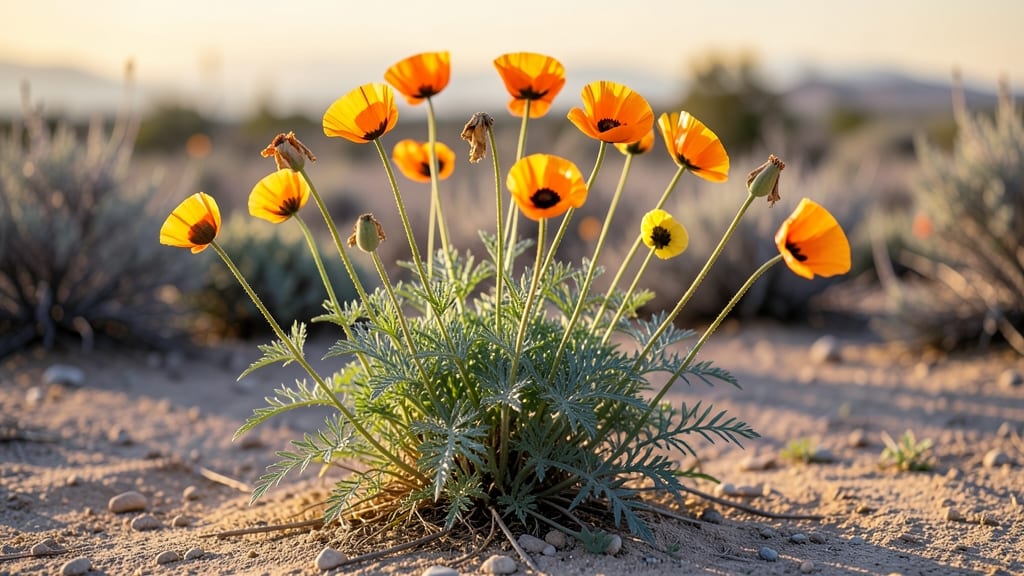
If you’ve ever wondered how tall do California poppies grow, you’re not alone—this bright 🌼 beauty can surprise even seasoned gardeners with its range. Wild California poppies typically stay between 6 and 18 inches, but cultivated varieties can stretch up to 3 feet, depending on growing conditions.
What’s even more fascinating is how their height affects their role in your garden. Shorter varieties make perfect borders or edging, while taller ones create stunning drifts in wildflower meadows. The key to controlling their height lies in soil, sunlight, and even when you plant them—especially in California’s 10a climate.
Whether you’re dreaming of a cottage garden or a low-maintenance wildflower patch, understanding these growth habits helps you plan for the perfect poppy display. Let’s break down the factors that influence their height and how you can guide them to reach their full potential.
From drought-tolerant wild types to show-stopping hybrids, California poppies offer versatility in both form and function. Ready to learn how to coax the ideal height from your plants? Let’s dive into the secrets behind their growth.

California poppy height guide: wild vs cultivated growth differences
California poppies (Eschscholzia californica) are famous for their bright orange blooms and delicate, fern-like foliage, but their height can vary wildly depending on whether they're growing in the wild or in a cultivated garden.
In nature, you’ll typically find wild California poppies reaching 6 to 24 inches tall, while cultivated varieties can stretch up to 36 inches under ideal conditions. This dramatic difference is shaped by both genetics and growing conditions.
The wild type (Eschscholzia californica) stays compact to conserve energy in dry, competitive environments. These poppies thrive in USDA Zones 7-10 and often grow shorter in cooler climates or high-altitude regions.
Meanwhile, cultivated hybrids like ‘Orange Princess’ or ‘Penny Black’ are bred for taller stems and bigger blooms, making them perfect for garden borders or cut flower arrangements.
Soil quality plays a huge role in height differences. Wild poppies adapt to poor, rocky soil with minimal nutrients, while garden-grown poppies respond well to well-draining, slightly sandy soil with added compost. Overly rich soil can lead to taller but weaker stems, which may flop under heavy blooms.
Sunlight exposure also influences height. Wild poppies often grow in full sun but can tolerate partial shade, while cultivated varieties may bolt (flower prematurely) if they don’t get enough light. In shady spots, expect poppies to stay on the shorter side (6–12 inches), even if they’re a cultivated variety.
Another key factor is watering habits. Wild poppies thrive on occasional rainfall and can handle drought, while garden poppies may grow taller with regular watering—but only if the soil drains well. Overwatering leads to leggy, weak stems that struggle to support blooms.
Here’s how height differences break down in real-world scenarios:
If you’re designing a garden, consider pairing tall cultivars (24+ inches) with shorter varieties to create visual layers. For example, ‘Penny Black’ (12–18 inches) works beautifully alongside ‘Orange Princess’ (24–36 inches) to add depth. In containers, dwarf varieties like ‘Tom Thumb’ thrive, while larger pots can accommodate taller types.
One surprising fact about California poppies is their self-seeding nature. If left undisturbed, they’ll reseed prolifically, often leading to a mix of heights in subsequent years. This natural variation can create a whimsical, cottage-garden look, but it may also result in some overcrowding if not managed.
For gardeners in cooler climates (Zones 7–8), expect slightly shorter poppies compared to warmer zones (9–10). The extra heat and longer growing season in Southern California or desert regions can push heights toward the upper limits, especially for cultivated varieties.
Always check your local last frost date—poppies prefer cool soil for germination but full sun once established.
Whether you’re admiring wild poppies in Antelope Valley or growing them in your backyard container, understanding these height differences helps you plan for the perfect poppy display. Next, we’ll explore how to control poppy height through simple gardening techniques—because sometimes, you want those blooms at eye level! 🌼
How to control California poppy height in your garden
If you’ve noticed your California poppies growing taller—or shorter—than you’d like, don’t worry! With a few simple adjustments, you can guide their height to fit your garden design.
These cheerful blooms thrive on minimal intervention, but strategic pruning, soil prep, and spacing can make a big difference in their mature stature.
Start by understanding that wild poppies (like Eschscholzia californica) naturally stay between 6–12 inches tall, while cultivated varieties can stretch up to 3 feet. Your goal is to either encourage bushier growth or keep them compact—both are achievable with the right techniques.
For shorter poppies, focus on proper spacing. Plant seeds or seedlings 6–12 inches apart to reduce competition for nutrients, which can stunt growth. Overcrowding forces plants to stretch upward for sunlight, leading to taller, leggy stems. In contrast, well-spaced poppies grow stockier and more compact.
Soil conditions play a surprisingly big role in height control. Amend your garden soil with compost or sand to improve drainage—California poppies hate soggy roots, which can cause them to grow taller and weaker.
Aim for well-draining, slightly sandy soil with a pH of 6.0–7.5. A quick soil test can reveal if your garden needs adjustments.
Sunlight exposure is another critical factor. While these poppies love full sun (6+ hours daily), they’ll grow taller in partial shade as they reach for light.
If your garden has shadier spots, consider dwarf varieties like ‘Penny Black’ or provide a sunny microclimate with reflective surfaces (like light-colored mulch) to maximize light.
Finally, resist the urge to fertilize heavily. California poppies are low-maintenance annuals that thrive in poor soil. Over-fertilizing—especially with high-nitrogen feeds—can lead to excessive foliage and taller, less stable stems. Stick to a light, balanced fertilizer (like 5-10-10) applied once in early spring if needed.