
Plants
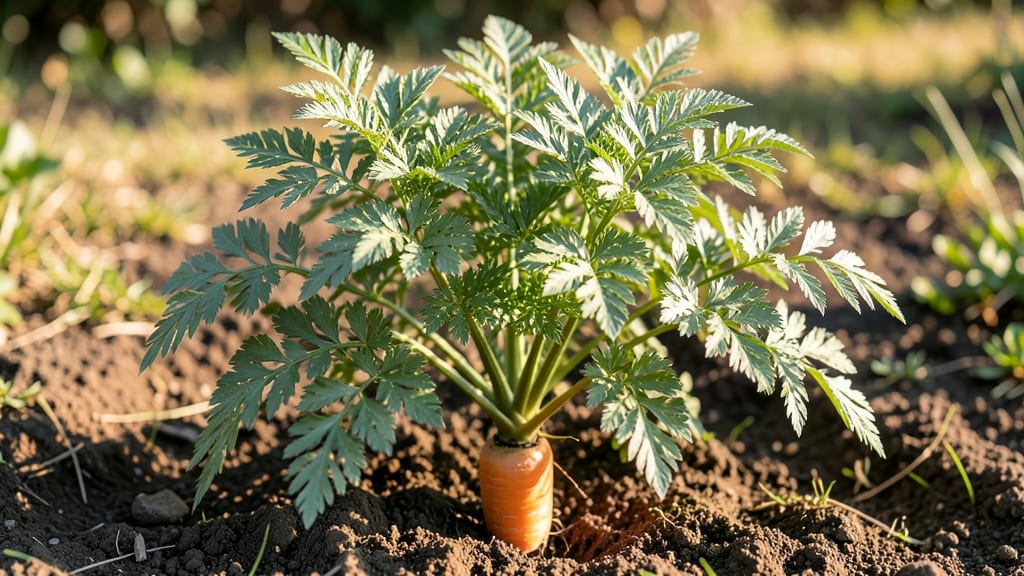
If you’ve ever wondered how tall do carrot plants grow, the answer might surprise you—because what’s above ground is just the tip of the 🥕! While most varieties stay compact (often under 6 inches), their real magic happens below soil, where roots develop.
But knowing their height above ground is key to spacing, companion planting, and avoiding crowded gardens.
The truth is, carrot foliage height varies wildly—from 4-inch "Paris Market" types to 12-inch "Danvers" varieties. That means your garden layout depends on what you’re growing. Short types thrive in tight spaces, while taller ones need room to breathe (and avoid shading out neighbors like lettuce).
Here’s the game-changer: height affects more than just aesthetics. Crowded carrots fork or bolt, while proper spacing ensures straight, sweet roots. I’ll break down the best varieties for your space, plus how to pair them with other plants for a more efficient harvest. Ready to optimize your patch?
Whether you’re a first-time gardener or a seasoned grower, understanding carrot height helps you plan for success. From soil prep to harvest timing, these insights will transform your garden—no guesswork required. Let’s dig in!

Carrot plant height by variety: from short to towering types
When planning your carrot patch, most gardeners focus on root length—but the foliage height of carrot plants is just as important. While roots grow underground, the top growth determines spacing needs and companion planting success.
Most carrot varieties stay between 6-12 inches tall, but some dwarf varieties like 'Paris Market' reach just 4 inches, while heirlooms like 'Danvers Half Long' can stretch to 18 inches under ideal conditions.
This height variation isn't just about aesthetics—it directly impacts how you'll arrange your garden beds. Taller varieties need more space between plants to prevent shading, while shorter types can be planted closer together.
The key difference lies in their growth habits: some bolt quickly (sending up tall flower stems), while others stay compact for easier harvests.
Here's how carrot varieties break down by height, including their ideal growing conditions and common uses:
| Variety | Height Range | Root Length | Growth Habit | Best For |
|---|---|---|---|---|
| Paris Market | 4-6 inches | 2-3 inches | Compact, slow-bolting | Container growing |
| Little Finger | 6-8 inches | 1-2 inches | Dwarf, bolt-resistant | Shallow soil areas |
| Nantes | 8-12 inches | 6-8 inches | Medium, sweet flavor | Standard garden beds |
| Danvers Half Long | 12-18 inches | 8-12 inches | Tall, slow-bolting | Deep soil, cool climates |
| Chantenay Red Cored | 10-14 inches | 5-7 inches | Medium, heat-tolerant | Southern gardens |
*Height measurements include foliage only—roots grow below ground
The foliage height of your carrots affects more than just aesthetics—it determines how much light and air circulation each plant receives. Shorter varieties like 'Paris Market' can be planted just 3 inches apart, while taller types need 8-12 inches between plants to prevent competition.
This spacing also reduces the risk of diseases spreading through crowded foliage.
Interestingly, the root length doesn't always correlate with foliage height. For example, 'Danvers Half Long' grows 12+ inches tall but produces 8-12 inch roots, while 'Little Finger' stays under 8 inches tall but has 1-2 inch roots.
This means you can grow long carrots without sacrificing bed space if you choose the right variety.
For gardeners in warmer climates, taller varieties like 'Danvers' are excellent choices because their bolting resistance helps them produce roots even when temperatures rise.
In contrast, shorter varieties like 'Paris Market' are perfect for container growing or areas with limited space, as their compact size makes them ideal for small gardens or balconies.
When selecting seeds, always check the variety description for height ranges—this information is often listed alongside root length. Some seed packets even include spacing recommendations based on the plant's mature height, which can save you from overcrowding your beds.
Pro tip: If you're growing carrots alongside taller plants like corn, choose medium-height varieties (8-12 inches) to prevent shading. For interplanting with lettuce or radishes, shorter varieties work best since they won't overshadow delicate greens.
How carrot height affects garden spacing and companion planting
Understanding how tall your carrot plants grow isn’t just about measuring their tops—it’s about planning your entire garden layout. Most carrot varieties stay between 4 to 12 inches tall, but their root spread and growth habits determine how much space they need.
Crowding carrots too closely can lead to forked roots or stunted growth, while giving them too much room wastes precious garden real estate.
For short varieties like 'Paris Market' (4 inches tall), you can plant them just 3 inches apart in rows spaced 12 inches apart. These compact types are perfect for interplanting with taller crops like corn or sunflowers, which won’t shade them out.
Meanwhile, taller varieties such as 'Danvers Half Long' (up to 12 inches) need 6 inches between plants and wider row spacing (16 inches) to avoid competition.
🌱 Spacing & Companion Planting Guide
- Short Varieties (4-6" tall): Plant 3" apart in rows 12" apart. Companions: Onions, lettuce, radishes, chives.
- Medium Varieties (6-9" tall): Plant 4-5" apart in rows 14" apart. Companions: Beets, spinach, peas, marigolds.
- Tall Varieties (9-12"+ tall): Plant 6" apart in rows 16" apart. Companions: Corn, tomatoes, basil, dill.
💡 Pro Tip: Avoid planting carrots near potatoes or celery—both compete for nutrients and space.
Companion planting is where carrot height truly shines. Taller varieties can act as natural trellises for vining plants like cucumbers or beans, while their deep roots help break up compacted soil. Meanwhile, shorter carrots thrive when tucked between onions or garlic, which deter pests like carrot flies.
The key is matching growth habits: fast-growing radishes can be sown alongside carrots and harvested before the carrots need more space.
If you’re working with limited space, consider succession planting short varieties every 2-3 weeks. This keeps your garden productive without overcrowding. For example, plant 'Paris Market' carrots in early spring, then follow with a second crop in late summer.
Their compact size lets you fit multiple harvests into the same spot, maximizing your yield per square foot.
One common mistake is ignoring the foliage height when planning. Even though carrots are root crops, their top growth can block sunlight from neighboring plants. For instance, a 12-inch-tall carrot variety like 'Chantenay' will cast shade on shorter plants like lettuce if placed too closely.
Always position taller carrots on the north side of your garden to minimize shading effects on sun-loving companions.
For container gardening, choose short varieties like 'Little Finger' (4 inches tall) and plant them in deep pots (at least 12 inches deep) with 3-4 plants per container. This mimics the close spacing of in-ground gardens while keeping the foliage manageable.
Just ensure your containers have drainage holes—waterlogged roots are a faster killer than poor spacing.
🌱 Remember, the height of your carrot plants isn’t just about vertical space—it’s about creating a balanced ecosystem in your garden. With the right spacing and companions, even the tallest carrots can become a highlight of your harvest.