
Plants
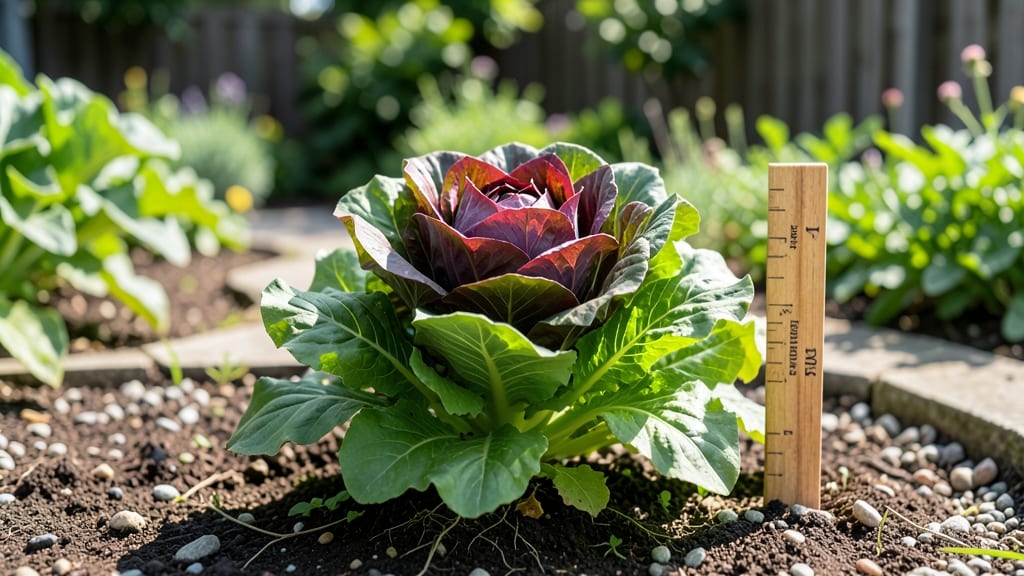
If you're planning your garden and wondering how tall do lettuce plants grow, the answer might surprise you—some varieties barely reach your wrist, while others tower like small shrubs.
This height difference isn't just about aesthetics; it completely changes how you space your plants, harvest them, and even choose companion crops.
Leaf lettuce like 🥬 butterhead or romaine typically grows between 8-12 inches, making them perfect for small gardens or containers. Head lettuce varieties, such as iceberg, can stretch up to 12-24 inches, while dwarf varieties stay compact at just 4-6 inches.
Knowing these differences helps you avoid overcrowding or wasted space in your garden layout.
The key to managing lettuce height starts with variety selection—dwarf types work well in tight spaces, while taller varieties need more room to spread. Sunlight, soil quality, and consistent moisture also play a role in how tall your lettuce grows, so choosing the right conditions sets you up for success.
Ready to optimize your garden? I'll walk you through how to pick the right varieties, adjust spacing, and harvest at the perfect height—whether you're a beginner or a seasoned gardener looking to refine your technique.

Lettuce height by variety: compact vs. towering types
Lettuce height varies dramatically between varieties, ranging from tiny 4-inch leaf types to towering 2-foot romaine. Understanding these differences helps you plan spacing, companion plants, and even container sizes. Some varieties stay low to the ground while others grow vertically, changing how you approach your garden layout.
For example, leaf lettuce varieties like 'Black Seeded Simpson' or 'Oakleaf' typically reach just 4-6 inches tall at maturity. These are perfect for interplanting with other crops or growing in small containers. Their loose, sprawling growth habit makes them ideal for cut-and-come-again harvesting.
The dwarf varieties like 'Little Gem' or 'Merlot' grow slightly taller at 6-8 inches, making them great choices for succession planting in small garden beds. Their compact stature also makes them excellent for urban container gardens where space is limited.
Romaine lettuce, including 'Parris Island' or 'Cos', reaches 12-24 inches tall at maturity. These varieties form tight, elongated heads that require more vertical space. They're perfect for larger garden plots or when grown in deep containers with support.
Here's a quick comparison to visualize the differences:
| Variety Type | Height Range | Growth Habit | Best For |
|---|---|---|---|
| Leaf Lettuce | 4-6 inches | Sprawling, loose | Containers, succession planting |
| Dwarf Varieties | 6-8 inches | Compact, bushy | Small gardens, urban areas |
| Romaine Lettuce | 12-24 inches | Tall, upright | Garden beds, deep containers |
| Butterhead Lettuce | 8-12 inches | Medium, rounded | Salad bowls, mixed plantings |
Even within these categories, growing conditions can influence height. For instance, leaf lettuce grown in full sun may reach the upper end of its height range, while those in partial shade might stay shorter. Similarly, romaine varieties grown in rich, fertile soil often achieve their maximum height potential.
If you're growing lettuce in containers, choose dwarf or leaf varieties to prevent overcrowding. A 5-gallon container can comfortably hold 2-3 dwarf lettuce plants, while a 10-gallon container might accommodate 1-2 romaine plants. Always ensure containers have drainage holes to prevent root rot.
For garden beds, maintain 12-18 inches of spacing between romaine plants and 6-12 inches between leaf lettuce varieties. Proper spacing prevents competition for nutrients and allows each plant to reach its optimal height without crowding.
When selecting varieties, consider your harvesting preferences. Leaf lettuce allows for continuous harvesting as individual leaves mature, while head varieties like romaine are best harvested all at once when fully grown. This difference affects how you plan your garden's height management throughout the season.
Remember that bolt-resistant varieties often stay shorter and more compact, making them ideal for hotter climates where taller varieties might flower prematurely. Look for heat-tolerant labels when selecting seeds for summer planting.
Lettuce height by variety: compact vs. towering types
Lettuce height varies dramatically between varieties, so choosing the right type for your garden space is crucial. Leaf lettuce typically stays the shortest, growing just 4-6 inches tall, while romaine varieties can reach up to 24 inches at maturity. These differences affect everything from planting density to harvest timing.
Understanding these height ranges helps you avoid overcrowding or underutilizing space. For example, butterhead lettuce averages 8-12 inches tall, making it ideal for small gardens or container growing. Meanwhile, cos or romaine types need more vertical room to develop their characteristic elongated shapes.
Here's how different lettuce varieties compare in terms of height and growth habits:
The height differences between varieties also impact how you manage your garden. Taller types like romaine need more vertical space and benefit from staking if they topple in windy conditions. Meanwhile, shorter varieties like leaf lettuce can be planted more densely for continuous harvests.
For container gardening, stick to dwarf varieties like 'Salad Bowl' leaf lettuce (4-6 inches) or 'Little Gem' romaine (12 inches max). These thrive in 6-8 inch deep pots with proper spacing. Larger varieties simply won't fit in small containers without crowding.
Remember that optimal height also depends on growing conditions. Lettuce grown in partial shade may stay shorter, while those in full sun can grow taller but may bolt faster. Always check seed packets for variety-specific height ranges to plan accordingly.