
Trees
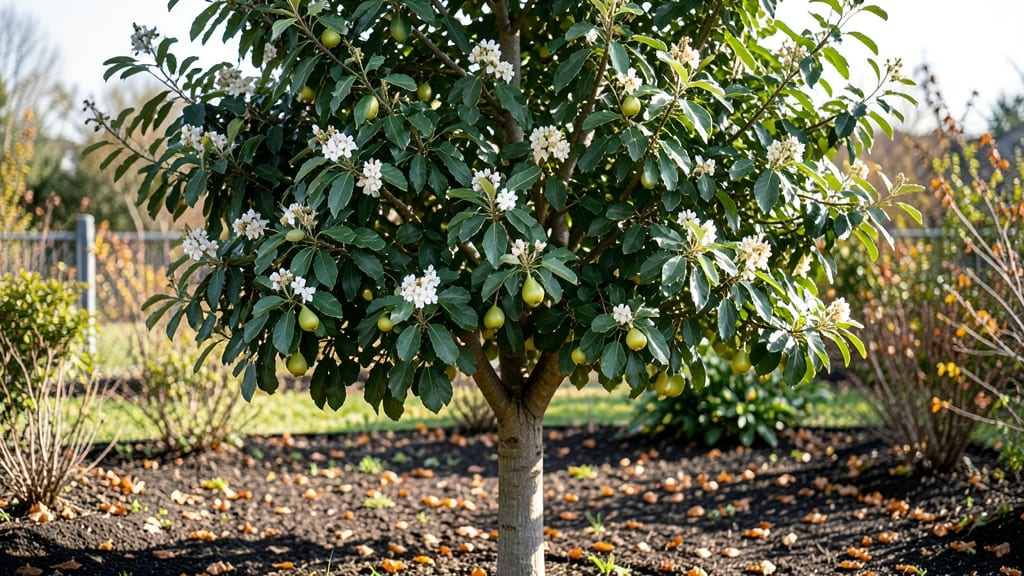
If you're dreaming of a Cleveland Pear Tree 🍐 in your yard but wondering how tall these trees grow, you're not alone. Left to their own devices, they can reach an impressive 25-40 feet, but with the right care, you can keep them at a more manageable size.
Understanding how tall Cleveland Pear Trees grow is key to planning your garden layout. Left unchecked, they'll stretch skyward, but strategic pruning can help you maintain a height that fits your space—even as low as 12-18 feet for dwarf varieties.
Beyond height control, these trees offer ornamental beauty and delicious fruit, making them a fantastic addition to any landscape. Whether you're a seasoned gardener or just starting out, learning how to manage their growth will ensure your Cleveland Pear Tree thrives without overwhelming your yard.
Ready to discover the secrets to keeping your tree at the perfect height? Let’s dive into the details so you can enjoy its benefits without the space struggles.

Natural growth height of Cleveland pear trees and how it affects your garden
Cleveland pear trees (Pyrus calleryana 'Cleveland Select') are stunning ornamental trees known for their fast growth rate and sweet, edible pears. In ideal conditions, these trees can reach heights of 25 to 40 feet at maturity, making them a significant investment for your landscape.
Without proper care, they can easily outgrow even spacious backyards, casting long shadows and competing with nearby plants for sunlight.
Understanding their growth patterns is key to planning your garden layout. In the first year, a Cleveland pear tree grows 2 to 4 feet, while by year three, it can reach 12 to 18 feet.
This rapid ascent means early pruning is essential to manage their height and maintain a balanced, healthy tree.
Regional climate plays a crucial role in their growth. In warmer USDA zones (7-9), these trees grow faster and taller due to longer growing seasons. Conversely, in cooler zones (5-6), growth may slow slightly, but they still reach their full height over time.
Poor soil drainage or nutrient deficiencies can also stunt growth, leading to a weaker tree structure.
The root system of a Cleveland pear tree spreads widely, often 2 to 3 times the canopy width. This means planting too close to fences, sidewalks, or other trees can lead to root competition and restricted growth.
Always follow spacing guidelines of 30 to 40 feet between trees for optimal development.
| Growth Stage | Height Range | Key Factors |
|---|---|---|
| Year 1 | 2–4 ft | Soil prep, watering, early pruning |
| Year 3 | 12–18 ft | Structural pruning, sunlight exposure |
| Mature | 25–40 ft | Climate, pruning frequency, soil quality |
| 🌱 Pro Tip: Prune in late winter to control height and encourage fruit production. | ||
Uncontrolled growth can lead to several challenges in your garden. A towering Cleveland pear tree may block sunlight from other plants, reducing their growth and flowering. Additionally, tall trees require more frequent pruning to remove dead or diseased branches, which can be labor-intensive and costly over time.
If you’re growing Cleveland pears for their fruit production, height control is even more critical. Smaller, well-pruned trees produce larger, higher-quality pears with better access for harvesting. Without pruning, fruit may develop on high branches, making them difficult to reach and increasing the risk of disease from moisture buildup.
Soil quality directly impacts growth speed and tree health. Well-draining, slightly acidic soil (pH 6.0–7.0) with ample organic matter promotes faster, healthier growth. Amend heavy clay soils with compost to improve drainage and aeration. Regular mulching around the base also helps retain moisture and regulate soil temperature.
For urban gardeners or those with limited space, consider planting a dwarf or semi-dwarf variety of Cleveland pear. While these may not reach the same height, they still produce abundant fruit and offer the same ornamental value.
Always check with local nurseries for certified dwarf cultivars if space is a concern.
If you’ve already planted a Cleveland pear tree and are concerned about its height, don’t worry—pruning can drastically reduce its size over time. Focus on removing suckers and water sprouts in early spring and thinning out crowded branches to improve airflow and light penetration.
With consistent care, you can keep your tree under 20 feet while still enjoying its beauty and fruit.
Ready to take control of your Cleveland pear tree’s growth? Check our pruning guide for step-by-step techniques to manage height and keep your tree healthy and productive. 🪴
Natural growth height of Cleveland pear trees and how it affects your garden
Cleveland pear trees (Pyrus calleryana 'Cleveland Select') are stunning ornamental trees that can reach 25 to 40 feet tall at maturity if left unpruned. This height makes them comparable to a 3-story building, which can overwhelm smaller backyards or urban landscapes.
However, with strategic pruning, you can easily keep them between 15 to 20 feet, making them more manageable for residential spaces.
In their first year, these trees grow only 2 to 4 feet tall, giving you time to establish proper care routines. By year two, they can shoot up to 6 to 10 feet, and by year three, they may reach 12 to 18 feet.
Without intervention, their rapid growth can lead to shading out nearby plants, blocking sunlight, and even damaging roofs or power lines in tight spaces.
| Stage | Height Range | Growth Notes |
|---|---|---|
| Year 1 | 2–4 ft | Slow initial growth; focus on root establishment. |
| Year 2 | 6–10 ft | Rapid vertical growth; prune to encourage branching. |
| Year 3 | 12–18 ft | Critical pruning window to control height; shape canopy. |
| Mature (5+ years) | 25–40 ft | Unpruned trees reach full height; regular maintenance required. |
Your local climate and soil conditions also play a role in how tall your Cleveland pear tree grows. In warmer climates (USDA Zones 6-9), these trees grow faster and may exceed 30 feet without pruning.
In cooler regions, growth slows slightly, but they still require height management. Well-draining, slightly acidic soil (pH 6.0–7.0) promotes healthier growth, while poor soil can stunt root development and limit canopy size.
Beyond height, Cleveland pear trees develop a sprawling canopy that can reach 15 to 25 feet wide. This wide spread means they need ample space to avoid crowding other plants or structures.
If you’re planting near your home, ensure it’s at least 30 feet away from walls or roofs to prevent future issues. Their ornamental value lies in their glossy foliage and attractive bark, but unmanaged growth can diminish these benefits by overshadowing your garden’s other features.
For fruit production, height control is equally important. Trees under 20 feet produce more accessible, higher-quality pears because they receive even sunlight and airflow. Overgrown trees may develop fruit rot or pest issues due to dense foliage.
Start pruning early to shape the tree into an open-center form, which improves air circulation and fruit access. This method also makes harvesting easier and reduces the risk of limb breakage under fruit weight.
If you’re unsure about pruning, start with light annual pruning in late winter or early spring to remove dead or crossing branches. This keeps the tree healthy while you learn its growth patterns. Over time, you’ll gain confidence in managing its height and shape.
For more detailed guidance, check out our pruning guide for Cleveland pears to keep your tree at your desired height while maximizing its beauty and fruit yield.