
How To
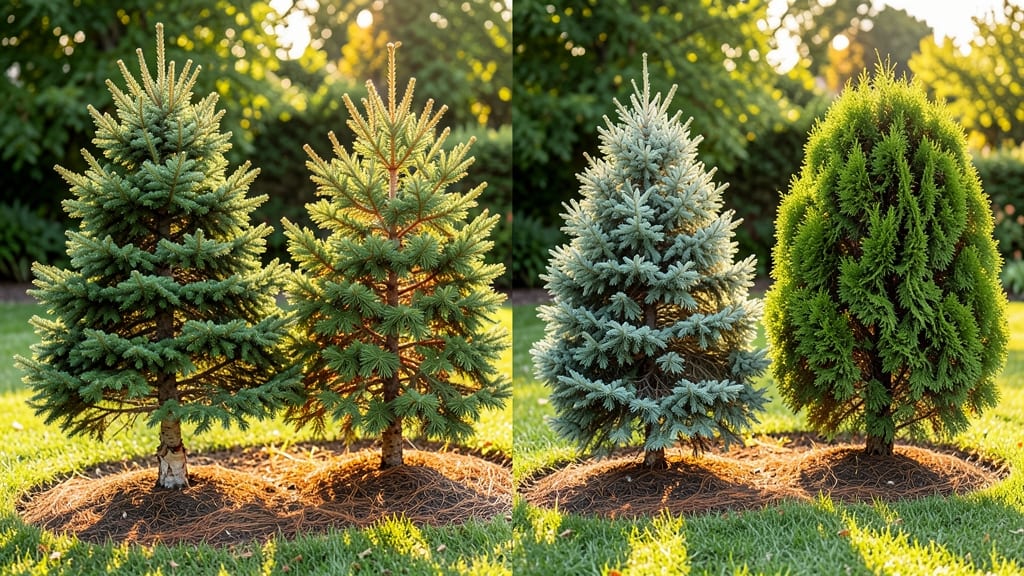
Wondering how tall do conifers grow before you commit to planting them? The answer might surprise you—some stay small enough for a cozy backyard, while others stretch toward the sky like nature's skyscrapers. 🌲
If you're planning your garden layout or dreaming of a towering evergreen statement piece, knowing these heights is the key to avoiding future headaches. Whether you're working with limited space or aiming for a grand landscape, the right conifer can transform your outdoor vision.
Fast-growing species like Leyland cypress can shoot up 3-4 feet per year, while slow-growers like dwarf Alberta spruce might only add a few inches annually. The difference between these extremes means your choice could impact everything from sunlight access to future pruning efforts.
Let's break down the height ranges, growth rates, and smart selection tips so you can pick the perfect conifer for your space—and your long-term peace of mind.

Fast-growing conifers: species that reach mature heights quickly
If you're dreaming of a towering evergreen that grows fast, you're in luck—some conifers shoot up like rockets! Fast-growing species can add 3-6 feet per year in ideal conditions, making them perfect for privacy screens, windbreaks, or dramatic focal points.
The key is choosing the right species for your climate and space, as even fast growers need proper care to reach their full potential.
For example, the Leyland cypress is a powerhouse, often growing 3-5 feet per year and reaching 60-70 feet tall in just 10-15 years. Meanwhile, the Douglas fir can grow 2-4 feet annually, hitting 100+ feet in ideal conditions.
These giants aren’t just for forests—they’re perfect for large landscapes where you want quick results.
But before you plant, check your USDA hardiness zone. Fast-growing conifers like the Italian cypress thrive in zones 7-10, while Eastern white pine does best in zones 3-8.
Planting in the wrong zone can slow growth dramatically, or even kill your tree. Always match the species to your local climate for the best results.
Here’s a quick look at how these fast growers measure up over time:
| Species | Growth Rate (ft/year) | Height at 10 Years | Mature Height | Ideal Climate |
|---|---|---|---|---|
| Leyland Cypress | 3-5 ft | 30-40 ft | 60-70 ft | Zones 7-10 |
| Douglas Fir | 2-4 ft | 25-35 ft | 100+ ft | Zones 5-8 |
| Italian Cypress | 2-3 ft | 20-30 ft | 40-50 ft | Zones 7-10 |
| Eastern White Pine | 1-2 ft | 15-20 ft | 50-80 ft | Zones 3-8 |
| Austrian Pine | 2-3 ft | 25-30 ft | 60-70 ft | Zones 4-7 |
When planting fast-growing conifers, soil quality matters. These trees thrive in well-draining, slightly acidic soil (pH 5.0-7.0). Amend heavy clay with compost or sand to improve drainage, and avoid waterlogged spots—root rot is a silent killer for fast growers.
Mulch around the base to retain moisture and regulate soil temperature, especially in the first few years.
Don’t forget to prune strategically to encourage upward growth. Fast growers like the Leyland cypress benefit from light pruning in early spring to shape their form and remove dead branches.
Avoid heavy pruning, as it can stress the tree and slow growth. Instead, focus on structural pruning to maintain a strong, healthy shape.
For privacy screens, plant fast growers like the Leyland cypress in a tight row, spacing them 3-5 feet apart. In 5-7 years, they’ll form an impenetrable green wall.
If you’re using them as windbreaks, space them 6-8 feet apart for optimal airflow and strength. Just remember: bigger isn’t always better—plan for mature size to avoid overcrowding.
One common mistake is assuming faster growth means less maintenance. Fast-growing conifers still need regular watering in their first few years, especially during droughts. Deep watering once or twice a week encourages strong root development, which supports rapid vertical growth. Once established, they’re more
Conifer height by region: climatic factors that affect growth rates
Conifers thrive in diverse climates, but their growth rates and mature heights vary dramatically depending on where you plant them. Coastal regions like California and Oregon produce towering redwoods and Douglas firs due to mild temperatures and high humidity, while alpine areas slow growth significantly.
Even within the same species, a coastal redwood in USDA Zone 7 may reach 300 feet, while a mountain-dwelling cousin stays under 50 feet.
Elevation plays a critical role—high-altitude conifers like subalpine firs grow slower due to cooler temperatures and thinner soil. Meanwhile, lowland pines in the Southeastern U.S. can shoot up 2-3 feet per year thanks to warmer climates. Soil drainage also matters: Waterlogged soils stunt growth, while well-draining sandy loam accelerates it.
🌲
⚠️ Regional Growth Surprises
Coastal redwoods grow 3x faster in foggy climates than inland—planting them in dry zones can reduce height by 50%. Blue spruces in Zone 3 may stay stunted, while Leyland cypresses in Zone 7 can reach 60 feet in 10 years.
If you're in a hot, dry climate, opt for drought-tolerant species like Ponderosa pine or Arizona cypress, which grow slower but thrive with minimal water. In humid zones, fast-growing Leyland cypresses or Douglas firs will dominate your landscape quickly—plan spacing accordingly to avoid overcrowding.
Soil pH also influences height: Acidic soils (pH 4.5–6.0) suit most conifers, while alkaline soils can stunt growth. Test your soil before planting—amending with peat moss or sulfur can help acid-loving species like blue spruces reach their full potential.
For urban gardens, choose slow-growing varieties like dwarf Alberta spruce (max 10 feet) or procumbent junipers, which spread horizontally instead of vertically. These adapt better to container growing and limited spaces while still offering year-round greenery.
Pro tip: Check local microclimates—a south-facing slope may support faster growth than a north-facing yard. Use this knowledge to strategically place conifers for optimal height control and landscape harmony.