
How To
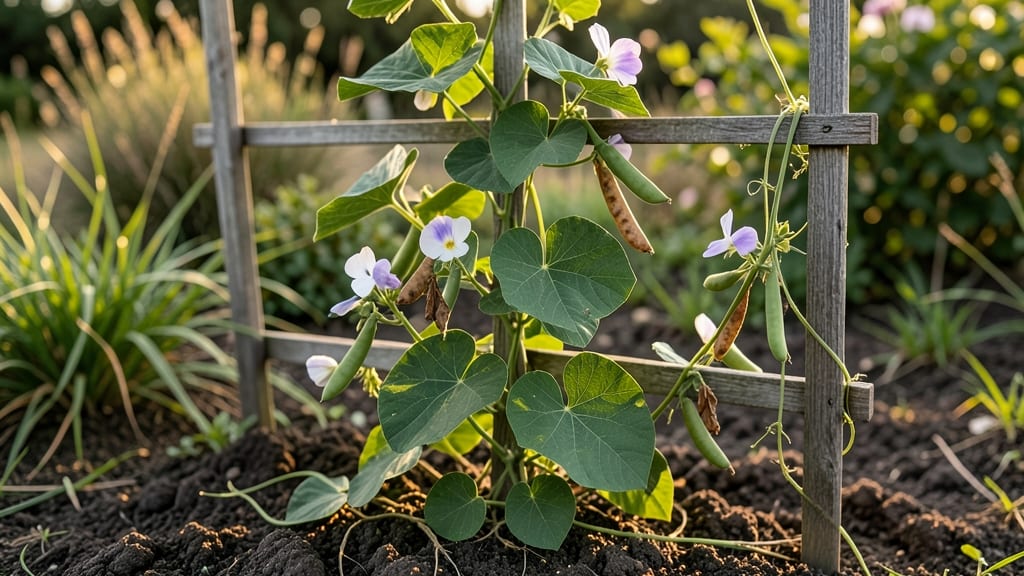
If you're planning your garden layout this spring, knowing how tall do cowpeas grow could make all the difference in maximizing your space—and your harvest.
These versatile legumes come in two main forms: compact bush varieties that stay neatly under 2 feet, and vigorous vining types that can climb up to 10 feet with proper support.
For gardeners in USDA Zone 6a, where planting windows run from April to May, choosing the right type depends on your goals. Bush cowpeas 🌱 are perfect for small spaces or containers, while vining varieties thrive when trellised, saving ground space for other crops.
The key is understanding their growth habits early to avoid overcrowding or wasted vertical potential.
Whether you're a first-time gardener or a seasoned pro, getting the spacing right is crucial. Bush types need about 12-18 inches between plants, while vining cowpeas benefit from wider spacing or trellis structures to reach their full height.
I'll show you how to set them up for success—so you can enjoy fresh pods from July through September without the guesswork.
Let's break down the differences between these growth types and share proven tips to help your cowpeas reach their ideal height, no matter your garden size. Ready to optimize your planting plan?

Cowpea growth heights: bush vs vining types explained
When planning your garden, knowing how tall cowpeas grow is essential—especially since they come in two distinct forms: bush types and vining types. These differences affect spacing, support needs, and even your harvest strategy.
Let me break down the key distinctions so you can choose the right variety for your space and goals.
Bush cowpeas typically reach 12 to 24 inches tall, making them perfect for small gardens, containers, or areas with limited vertical space. Their compact growth habit also means they mature faster, often producing pods in as little as 50 to 60 days.
Meanwhile, vining cowpeas can climb 6 to 10 feet tall, requiring trellises or sturdy supports to maximize their potential.
Here’s the key difference: bush types focus energy on producing pods at ground level, while vining types prioritize vertical growth, often yielding more pods if given proper support. Both thrive in warm climates, but vining varieties need extra care to prevent sprawling and tangling.
🌱
| Type | Height Range | Growth Habit | Maturity Time | Ideal Climate |
|---|---|---|---|---|
| Bush Cowpeas | 12–24 inches | Compact, upright | 50–60 days | Warm, short-season areas |
| Vining Cowpeas | 6–10 feet | Climbing, sprawling | 60–90 days | Hot, long-season regions |
If you’re growing bush cowpeas, their short stature makes them ideal for intercropping with taller plants like corn or okra. They also require less maintenance since they don’t need trellises. On the other hand, vining cowpeas reward you with higher yields per plant but demand more space and structural support.
For example, popular bush varieties like 'Purple Hull' stay under 2 feet, while vining types such as 'Black-Eyed Pea' can easily reach 8 feet without support. Always check seed packets for specific variety details, as some hybrids blend traits from both types.
Another factor influencing height is your growing zone. In cooler climates (USDA Zones 6-8), bush types often perform better due to shorter growing seasons. In warmer zones (9-11), vining cowpeas can thrive year-round, especially if given trellises to climb.
Pro tip: If you’re unsure which to choose, start with bush cowpeas for ease of care and vining types for maximum productivity in spacious gardens. Both types benefit from well-draining soil and full sun exposure, so prioritize those conditions regardless of variety.
🌿
Cowpea growth heights: bush vs vining types explained
When planning your garden, knowing how tall cowpeas grow is crucial for maximizing space and yield. Cowpeas come in two main types: bush varieties and vining varieties, each with distinct growth habits that impact your garden layout.
Bush types typically stay compact, while vining types can reach impressive heights—sometimes even climbing over fences or trellises!
For bush cowpeas, expect mature heights between 12 to 24 inches. These varieties are perfect for small gardens, containers, or raised beds where vertical space is limited.
Varieties like 'Purple Hull' or 'Black Eye' are classic bush types that thrive in these compact spaces, producing abundant pods without sprawling.
On the other hand, vining cowpeas can grow anywhere from 6 to 10 feet tall, making them ideal for larger plots or areas where you can provide support.
Varieties like 'California Blackeye' or 'Iron Clay' are popular vining types that benefit from trellises or stakes to guide their growth upward. Without support, they may sprawl across the ground, taking up more space than necessary.
| Type | Height Range | Growth Habit | Ideal Climate |
|---|---|---|---|
| Bush Cowpeas | 12-24 inches | Compact, upright | Warm, dry regions |
| Vining Cowpeas | 6-10 feet | Climbing, sprawling | Tropical to temperate |
Both types mature in about 60 to 90 days, but their growth patterns differ significantly. Bush types reach maturity quickly and are ready for harvest earlier in the season, while vining types may take slightly longer to produce pods due to their focus on vertical growth.
Understanding these differences helps you choose the right variety for your garden’s layout and your harvesting goals.
Another key factor is climate and sunlight. Cowpeas thrive in full sun (6+ hours daily) and warm temperatures, which accelerate their growth. In cooler climates, vining types may struggle to reach their full height, while bush types remain more consistent.
If you're in a shorter growing season, opt for bush varieties to ensure a reliable harvest.
For gardeners with limited space, bush cowpeas are a game-changer. Their manageable height makes them ideal for container gardening or interplanting with other crops like peppers or okra. Meanwhile, vining types reward patient gardeners with higher yields per plant but require more planning for support structures.
Whether you choose bush or vine, proper spacing and care will determine how well your cowpeas thrive!