
How To
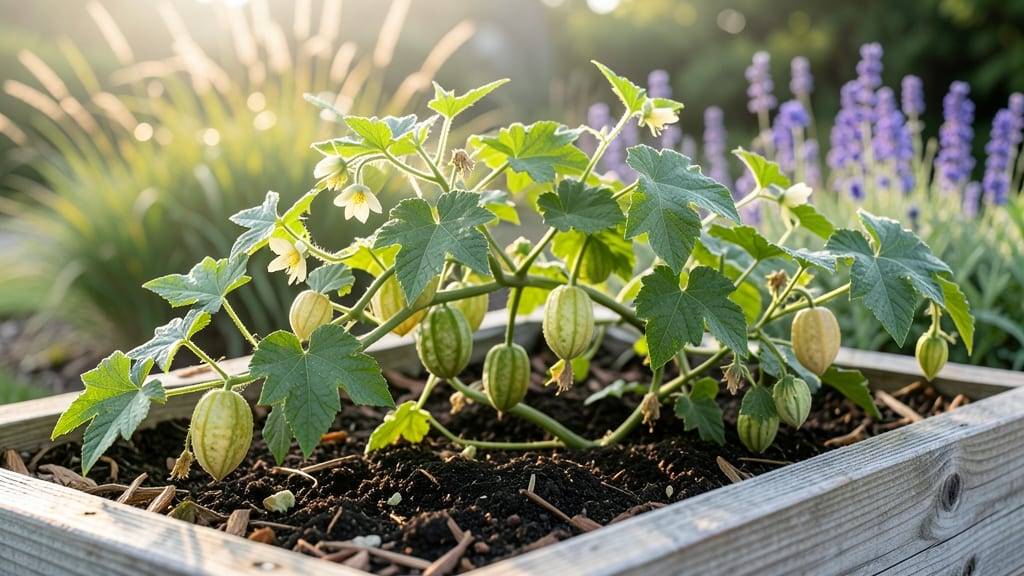
If you're wondering how tall do cucamelons grow, the answer might surprise you—these tiny, watermelon-like fruits pack a vine that can stretch from 1 to 3 feet tall, but with the right support, they’ll climb much higher.
Whether you’re working with limited space or dreaming of a lush vertical garden, understanding their growth habits is key to maximizing your harvest.
The 🍉 cucamelon thrives when given structure, like a trellis or sturdy cage, which can encourage vines to reach 5 to 10 feet or even more in ideal conditions. Without support, they’ll sprawl along the ground, staying closer to their natural 1-3 foot range.
This makes them perfect for small gardens, containers, or even balcony setups—just adjust your approach based on your space.
What really sets cucamelons apart is their adaptability. In USDA Zone 6a, where spring planting kicks off in April, these vines grow quickly during the warm months, peaking in height by mid-summer.
With proper care—like consistent watering, sunlight, and occasional pruning—you can coax them to grow taller or keep them compact, depending on your goals.
Ready to unlock the full potential of your cucamelon patch? I’ll walk you through everything from trellising tricks to pruning tips, so you can grow these little melons exactly how you want—whether that’s waist-high or sprawling across the ground. Let’s get started!

Cucamelon vine growth chart: expected heights by cultivation method
Cucamelons (or Mexican sour gherkins) are fast-growing vines that can reach dramatically different heights depending on your cultivation approach. Without proper support, their vines sprawl 3–6 feet across the ground, but with a sturdy trellis or cage, they’ll climb 10–15 feet vertically.
This growth habit makes them perfect for small gardens or containers—if you know how to guide them!
The key to maximizing your harvest lies in understanding how cultivation methods directly impact vine length. For example, ground-sprawling vines produce fewer fruits but cover more area, while vertically trained vines yield more densely packed, easier-to-harvest cucamelons.
Let’s break down the numbers so you can plan your space like a pro.
📊 Cucamelon Vine Height Comparison
| Cultivation Method | Vine Length (Ft) | Space Needed | Yield Potential | Best For |
|---|---|---|---|---|
| Ground Sprawling | 3–6 ft (horizontal) | 2–3 ft radius per plant | Moderate (fewer fruits) | Large garden beds |
| Trellis (5–6 ft tall) | 8–12 ft (vertical) | 1–2 ft width per plant | High (denser fruits) | Balconies, containers |
| A-Frame Trellis (6–8 ft) | 10–15 ft (vertical) | 1 ft width per plant | Very high (optimal airflow) | Small gardens, urban plots |
| Cage Support (3–4 ft) | 4–6 ft (semi-vertical) | 1.5 ft radius | Good (easy access) | Patio containers |
Notice how vertical training not only saves space but also boosts fruit production by improving airflow and sunlight exposure. For example, a 6-foot trellis can support 3x more vines than ground cultivation in the same footprint!
This is why container gardeners swear by trellises—your 5-gallon bucket can yield as much as a square foot of garden bed.
Seasonal growth also plays a role. In early summer, vines grow 1–2 feet per week if conditions are ideal (6+ hours of sun and consistent moisture). By mid-summer, growth slows slightly as the plant focuses on flowering and fruiting.
If you’re in a hot climate (Zone 9+), expect slightly faster vine elongation due to longer daylight hours.
Pro tip: If you’re growing cucamelons in containers, choose a deep pot (12+ inches) to accommodate root growth. Shallow pots stunt vine development because roots can’t stabilize the plant for vertical growth.
Pair this with a strong trellis—I recommend bamboo stakes or wire mesh—to prevent toppling under the weight of climbing vines.
One common misconception is that dwarf varieties exist for cucamelons. While no true dwarf cultivar is widely available, you can prune aggressively to keep vines under 3 feet without sacrificing yield.
Simply pinch back the main stem after 4–5 leaves and focus on lateral branches for fruit production. This works especially well for balcony gardens where space is ultra-limited.
For maximum height control, combine trellising with regular pruning. I prune my cucamelons weekly during peak growth (June–August) to remove unruly side shoots and redirect energy to fruit-bearing branches. This keeps vines tight and manageable while ensuring a steady supply of tiny, tangy cucamelons all season long.
Remember: Soil health and nutrient balance also influence vine length. If your cucamelons are stunted despite proper support, check for nitrogen deficiency (yellow leaves) or over-fertilizing with phosphorus (excessive leafy growth at the expense of fruit).
A balanced 5-10-10 fertilizer applied every 4–6 weeks keeps vines strong without encouraging unchecked sprawl.
🌱 Whether you’re a space-challenged urban gardener or a large-garden enthusiast, understanding these height dynamics will help you optimize your layout for the most productive (and delicious) harvest possible!
Cucamelon vine growth chart: expected heights by cultivation method
Cucamelons are vining plants that can grow 3 to 15 feet depending on how you manage them. Without support, they’ll sprawl 1-3 feet along the ground, but with a trellis, they’ll climb 10-15 feet vertically.
This dramatic difference means your garden layout can either save space or create a wild tangle—your choice!
If you’re growing cucamelons in containers or small gardens, expect 3-6 feet of controlled growth with proper pruning. For ground cultivation, vines will spread 6-10 feet outward, requiring more space. The key? Trellising isn’t just for looks—it’s how you control height and boost fruit production.
| Cultivation Method | Expected Height | Space Needs | Best For |
|---|---|---|---|
| Ground Cultivation | 6-10 ft spread | Large garden beds | Sprawling vines, minimal support |
| Trellis (Vertical) | 10-15 ft height | Small spaces, containers | Maximized yield, tidy look |
| Container Grown | 3-6 ft (pruned) | Balconies, patios | Urban gardens, limited space |
| Pruned Bush | 1-3 ft compact | Small pots, window boxes | Dwarf varieties, controlled growth |
Seasonal growth matters too! Cucamelons start slowly in spring (1-2 feet in 4-6 weeks) but explode in summer heat, adding 2-3 feet per month if conditions are ideal.
By late summer, vines may slow down, especially in cooler climates. This means early trellising (within 2-3 weeks of planting) gives vines the best chance to climb.
For maximum yield, aim for 10-12 feet of vertical growth by mid-summer. This requires strong trellises (like A-frame or tomato cages) and regular pruning to direct energy upward. Without support, vines waste energy sprawling, reducing fruit production by 30-50%.
Pro tip: If you’re in a shorter growing season (like Zone 5 or cooler), focus on ground cultivation or low trellises (4-5 feet). This prevents frost damage to tender vines while still giving you a plentiful harvest.
Remember, soil health and sunlight directly impact height. Poor soil or less than 6 hours of sun can stunt growth to under 3 feet, even with trellises. Test your soil and amend with compost or balanced fertilizer to encourage those sky-high vines!