
How To
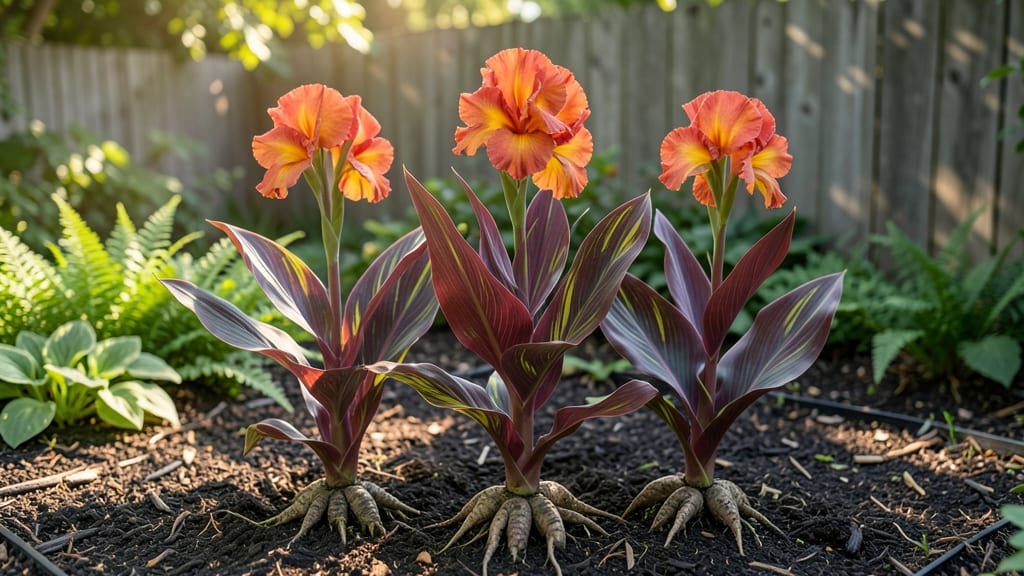
If you're dreaming of adding bold, tropical blooms to your garden but are working with limited space, how tall do dwarf cannas grow—these compact powerhouses pack serious punch without the towering height.
Unlike their standard counterparts that can reach 5 to 7 feet, dwarf cannas typically stay between 2 to 4 feet, making them ideal for small gardens, containers, or even sunny patios.
What makes dwarf cannas so versatile is their ability to thrive in USDA Zone 6a and beyond, especially when planted in spring after the last frost.
Whether you're growing them in the ground or in pots, their manageable size lets you place them almost anywhere—near pathways, in window boxes, or as striking centerpieces. The key to keeping them compact? Proper spacing, sunlight, and a little pruning know-how.
But here’s the best part: their height isn’t just about space-saving—it’s about impact. With vibrant blooms that stand out in any setting, dwarf cannas deliver the same dramatic flair as their taller relatives, just in a more manageable package.
Ready to learn how to maximize their height and blooms while keeping them neat and tidy? Let’s dive into the details that’ll help you grow them like a pro.
From choosing the right variety to spacing them perfectly and maintaining their stature, we’ll cover everything you need to know. Whether you’re a seasoned gardener or just starting out, these tips will ensure your dwarf cannas reach their ideal height—without taking over your garden. Let’s get growing!

Dwarf canna height ranges: what to expect by variety
Dwarf cannas are the perfect solution for gardeners with limited space who still crave the bold, tropical beauty of traditional cannas. Unlike their towering cousins that can reach 5–7 feet, dwarf varieties stay compact, typically maturing between 12–36 inches.
This makes them ideal for containers, small gardens, or even as striking border plants. But not all dwarf cannas are created equal—some varieties stay closer to the ground, while others stretch toward the sky.
Understanding the height range of your specific variety is key to planning your garden layout. For example, 'Purple Passion' often tops out around 24 inches, while 'Striped Stem' can reach 30–36 inches under ideal conditions.
Even within the same variety, factors like sunlight, soil quality, and pruning can influence final height by 10–20%. Let’s break down what to expect from popular dwarf cannas and how their growth habits differ.
| Variety | Mature Height (inches) | Growth Habit | Seasonal Notes |
|---|---|---|---|
| 'Purple Passion' | 18–24" | Clumping, bushy | Grows 6–8 inches in first season; blooms early |
| 'Striped Stem' | 30–36" | Tall, slender stems | May need staking; late-season bloomer |
| 'Carl' | 20–28" | Compact, rounded | Drought-tolerant; minimal height fluctuation |
| 'Lucifer' | 24–32" | Upright, vigorous | Requires full sun for max height |
| 'Wyoming' | 12–18" | Low-growing, spreading | Best for borders; minimal vertical growth |
Comparing dwarf cannas to their standard counterparts highlights why they’re a game-changer for small spaces. A standard canna like 'Red Beauty' can soar to 6–7 feet, while even the tallest dwarf varieties max out at 3 feet.
This dramatic difference means you can enjoy canna blooms in containers on patios, along walkway edges, or tucked into window boxes without sacrificing impact. The trade-off? Dwarf cannas may produce slightly fewer blooms per stem, but their prolific foliage and compact form make up for it.
Seasonal growth is another critical factor to consider. Most dwarf cannas experience their fastest height gain during the summer months, especially when provided with consistent moisture and fertile soil.
In cooler weather or early spring, growth slows significantly, which is why many gardeners plant dwarf cannas in late spring (after the last frost) to ensure they have the entire growing season to reach their full potential.
If you’re in a shorter growing season zone (USDA 6a or colder), expect dwarf cannas to mature slightly slower and may need winter protection.
Light exposure plays a surprising role in height regulation. While all cannas thrive in full sun (6+ hours daily), dwarf varieties can become leggy or tall if deprived of sunlight. This is due to their natural instinct to stretch toward light sources—a phenomenon called etiolation.
To keep your dwarf cannas stocky and bushy, ensure they receive adequate sunlight and avoid placing them in deep shade or under tall trees that cast long shadows.
If your garden lacks full sun, consider using grow lights for container-grown dwarf cannas to maintain their ideal height and encourage robust blooming.
One common misconception is that dwarf cannas will stay small indefinitely. In reality, their height is influenced by age and care.
First-year plants often mature at the lower end of the range (e.g., 12–18 inches), while established plants in their second or third year can reach the upper limits (e.g., 30–36 inches).
This is why many gardeners divide their canna rhizomes every 2–3 years—it rejuvenates the plant, encourages more compact growth, and prevents overcrowding, which can stunt height.
For those growing dwarf cannas in containers, height is often more controlled due to the limited root space. A 5-gallon pot will typically restrict growth to 18–24 inches, while a 15-gallon container
Optimal spacing and planting tips for dwarf cannas
When planting dwarf cannas, proper spacing isn’t just about aesthetics—it directly impacts their height growth and overall health. Unlike their towering cousins, these compact beauties thrive when given room to breathe, typically 12–18 inches apart in garden beds.
Crowding them too closely can stunt their growth and reduce those showstopping blooms you love. 🌺
For container gardening, aim for one dwarf canna per 12-inch pot to prevent root competition. This ensures each plant gets the nutrients it needs to reach its ideal mature height of 12–36 inches.
If you’re using larger containers, you can fit 2–3 plants together, but monitor their growth closely to avoid overcrowding. ✂️
Companion planting can also boost your dwarf cannas’ growth. Pair them with low-growing perennials like heuchera or salvia, which won’t compete for sunlight or nutrients. Avoid planting near aggressive spreaders like mint or creeping thyme, which can choke out your cannas and limit their vertical growth. 🌿
One of the biggest mistakes gardeners make is overwatering dwarf cannas. While they love moisture, soggy soil can lead to root rot and stunt their growth. Water deeply every 3–5 days during the growing season, ensuring the top 2 inches of soil dry out slightly between waterings.
In containers, you may need to water more frequently due to faster drying. 💧
Finally, choose a sunny spot with at least 6 hours of direct sunlight daily. Dwarf cannas may grow taller in search of light if they’re shaded, but their blooms will be sparse and weak.
If your garden lacks full sun, consider a south-facing window or a raised bed with reflective surfaces to maximize light exposure. ☀️
With the right spacing, soil, and sunlight, your dwarf cannas will reach their full potential height while packing your garden with vibrant color—without the bulk of standard varieties. Happy planting! 🌻