
Trees
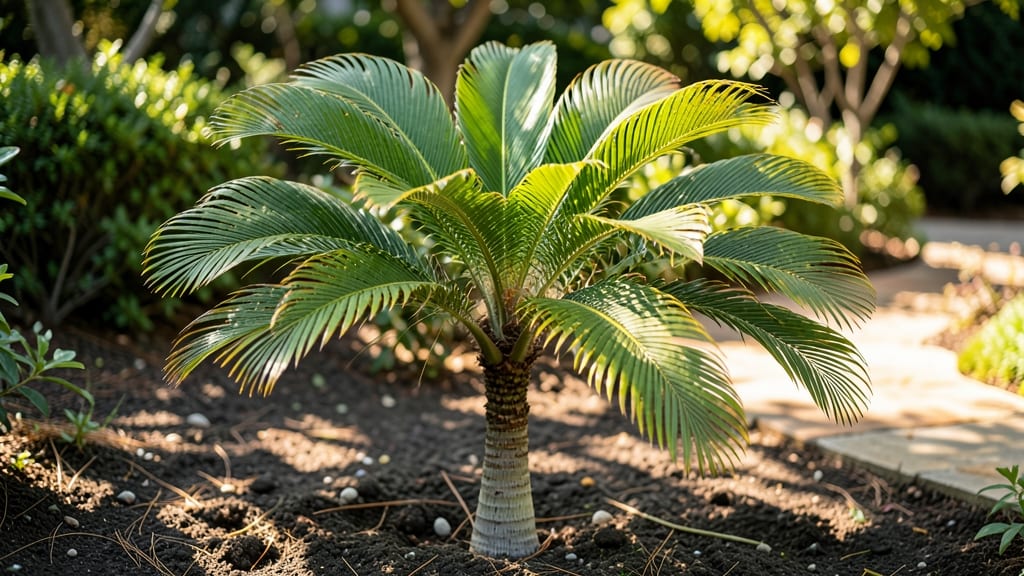
If you’ve ever wanted a taste of paradise without the space for a full-sized coconut palm, the answer lies in how tall do dwarf coconut trees grow—and the good news is, they’re perfect for small yards, containers, and even patios.
These tropical beauties, like the Dwarf Coconut Palm 🌴, typically reach 8–12 feet at maturity—think basketball hoop height, not telephone pole size. That means you can enjoy their lush fronds and occasional coconuts without sacrificing your garden’s layout or balcony space.
But not all dwarf varieties are created equal. Some stay closer to 6 feet, while others stretch toward 15 feet, depending on the cultivar and growing conditions.
Whether you’re in USDA Zones 10–12 or container-gardening in a warmer climate, knowing the right size for your space is the key to success.
In this guide, I’ll break down the top 5 dwarf coconut varieties, their growth habits, and the care tips to keep them thriving—so you can pick the perfect palm for your tropical dream (without the towering commitment).

Dwarf coconut tree height guide: 5 varieties & their mature sizes
If you love the tropical aesthetic of coconut palms but lack the space for their towering cousins, dwarf varieties offer the perfect solution. These miniature palms typically reach 3 to 15 feet at maturity, making them ideal for patios, containers, or small yards.
Unlike their standard coconut relatives that soar to 60–100 feet, these compact trees grow slowly—adding just 1–2 feet per year—so you’ll enjoy their presence for decades without them becoming overwhelming.
Not all dwarf coconut trees are created equal. Some varieties stay under 6 feet (perfect for balconies), while others stretch toward 12 feet (ideal for larger gardens). The key difference lies in their genetic dwarfing traits, which also influence their fruit production and care requirements.
Below, I’ve broken down the five most popular dwarf varieties, their mature heights, and what to expect from each.
🌴 Comparison Table: Dwarf Coconut Tree Heights & Care Needs
| Variety | Mature Height | Growth Rate | Sunlight Needs | Fruit Production |
|---|---|---|---|---|
| Cocos nucifera 'Macapuno' | 6–10 ft | Slow (1–2 ft/year) | Full sun (6+ hrs) | Rare (mostly ornamental) |
| Cocos nucifera 'Green Dwarf' | 8–12 ft | Moderate (2–3 ft/year) | Full sun (6+ hrs) | Occasional (small coconuts) |
| Cocos nucifera 'Pygmy' | 10–15 ft | Slow to moderate | Full sun (6+ hrs) | Possible (if pollinated) |
| Cocos nucifera 'Malayan Dwarf' | 12–15 ft | Moderate (3 ft/year) | Full sun (6+ hrs) | Rare (mostly decorative) |
| Cocos nucifera 'Nana' | 3–6 ft | Very slow (1 ft/year) | Full sun (6+ hrs) | None (ornamental only) |
The 'Nana' variety is the smallest option, making it perfect for container gardening or indoor growing near south-facing windows. Meanwhile, the 'Malayan Dwarf' pushes the height limit for true dwarf coconuts, so choose it only if you have vertical space (like a tall patio or trellis).
All varieties thrive in USDA zones 10–12, so if you live outside these areas, opt for container growing and bring them indoors during winter.
One common misconception is that dwarf coconut trees won’t produce fruit. While some varieties (like 'Macapuno') rarely bear coconuts, others like 'Pygmy' or 'Green Dwarf' can produce small, edible nuts—though they’ll never match the size of their standard counterparts.
If fruit isn’t your goal, focus on ornamental varieties like 'Nana' for a low-maintenance tropical accent.
For container growing, select a pot at least 2–3 feet wide with drainage holes. Dwarf coconuts grow slowly, so you can uproot and repot every 2–3 years to refresh the soil.
Use a well-draining palm mix (combining coconut coir, perlite, and compost) to prevent root rot—a common issue in heavy or waterlogged soils.
If you’re planting in ground soil, amend the area with sand and organic matter to improve drainage. Dwarf coconuts hate soggy roots, so avoid planting in low-lying spots where water pools.
Once established, they’re drought-tolerant but still need deep watering every 7–10 days during dry spells. A 3-inch layer of mulch around the base helps retain moisture and mimics their natural tropical habitat.
Pro tip: If you want to encourage faster growth, fertilize with a balanced palm fertilizer (6-6-6 NPK) every
How to choose the right dwarf coconut tree for your climate & space
Selecting the perfect dwarf coconut tree depends on two key factors: your climate zone and available garden space. Unlike their towering cousins, these palms thrive in USDA zones 10-12 but can also survive in containers with proper care.
If you're in a cooler microclimate, opt for container-grown varieties that you can bring indoors during winter.
For small spaces, prioritize varieties like Cocos nucifera 'Macapuno', which max out at 8-10 feet. These stay compact enough for patios or balconies while still delivering that tropical aesthetic.
In contrast, larger dwarf varieties like 'Green Dwarf' reach 12-15 feet, making them better suited for backyard gardens or larger containers.
Your sunlight exposure also plays a critical role. All dwarf coconut trees demand full sun (6+ hours daily), but partial shade can stunt growth in hotter climates. If your yard gets intense afternoon sun, consider light afternoon shade to prevent leaf scorch, especially for young saplings.
🌴 Top 3 Dwarf Coconut Trees for Your Space
'Macapuno' (8-10 ft)
Ideal for containers, slow-growing, sweet coconut meat
'Green Dwarf' (12-15 ft)
Faster growth, classic coconut flavor, needs more space
'Malayan Dwarf' (10-12 ft)
Heat-tolerant, drought-resistant, great for in-ground planting
When choosing a container size, remember: dwarf coconut trees need depth and drainage. A 15-20 gallon pot works for smaller varieties, while larger dwarf types may require 30+ gallons to prevent root binding.
Use a well-draining mix with perlite or sand to mimic their native sandy soil conditions.
Finally, consider fruit production if you're growing for harvest. Smaller varieties like 'Macapuno' may take 7-10 years to bear fruit, while larger dwarf types like 'Green Dwarf' produce coconuts 5-7 years after planting. If your goal is ornamental beauty rather than harvest, any dwarf variety will thrive with proper care.
With the right variety, container, and sunlight, your dwarf coconut tree will reward you with tropical charm and minimal space requirements. Just remember: patience is key—these palms grow slowly but live for decades with proper care! 🌴