
Trees
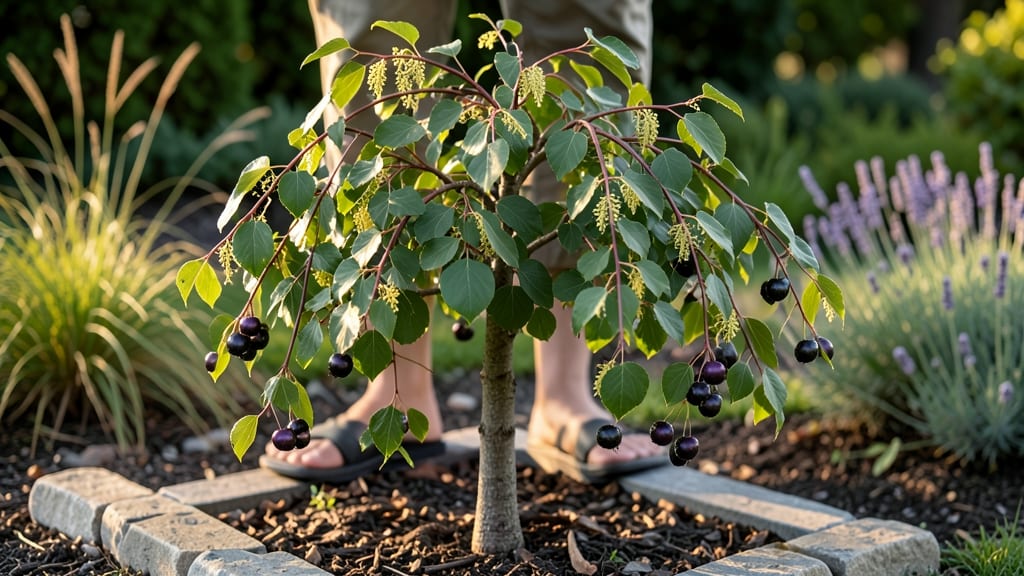
If you've ever wondered how tall do dwarf mulberry trees grow, these compact 🌳 varieties might just be the perfect solution. These smaller versions pack all the flavor and beauty of their larger relatives into a much smaller footprint—typically reaching heights between 6 to 12 feet at maturity.
But here's the thing: not all dwarf mulberries grow the same. Some varieties stay closer to 6 feet, making them ideal for containers or tiny urban gardens, while others can stretch toward 12 feet if left unchecked.
The key? Choosing the right type for your space and knowing how to manage their growth.
Whether you're working with a small backyard, a balcony planter, or even just a sunny windowsill, understanding these height ranges—and the pruning tricks to keep them in check—will help you grow a thriving mulberry tree without sacrificing your garden's layout.
Let’s dive into the three most popular dwarf varieties, their mature sizes, and the simple strategies to keep them compact while maximizing fruit production. You’ll learn exactly how to fit these delicious trees into your space—no matter how limited it might be.

Dwarf mulberry tree height comparison: 3 Fast-growing varieties & their mature sizes
If you're dreaming of a mulberry tree but worried about space, dwarf varieties are the perfect solution. These compact powerhouses deliver the same sweet berries and lush foliage as their giant cousins—just in a fraction of the space. The key difference?
Their mature heights range from 5 to 12 feet, making them ideal for urban gardens, small backyards, or even large containers. Let’s explore the three most popular dwarf mulberry varieties and their exact growth potential.
First, let’s set expectations: while "dwarf" implies smaller size, these trees still need room to thrive. The Illinois Everbearing variety, for example, typically reaches 8–12 feet at maturity, while the Golden Rain mulberry maxes out around 6–10 feet.
Even the smallest, Dwarf Morus alba, can grow to 5–8 feet with proper care. Understanding these ranges helps you plan spacing, pruning, and even container sizes for your garden.
Here’s the game-changer: dwarf mulberries grow 3–5 feet per year in ideal conditions. That means your 3-foot sapling could reach 8 feet in just two years—perfect for quick shade or fruit production.
However, their growth slows significantly after the first 3–5 years, making them low-maintenance once established. This predictable growth pattern is why they’re a favorite among city gardeners and homesteaders alike.
🌱
| Variety | Mature Height | Growth Rate (First 3 Years) | Ideal Spacing | Best For |
|---|---|---|---|---|
| Illinois Everbearing | 8–12 ft | 3–5 ft/year | 10–12 ft from structures | Urban yards, fruit production |
| Golden Rain | 6–10 ft | 2–4 ft/year | 8–10 ft from structures | Containers, small gardens |
| Dwarf Morus alba | 5–8 ft | 2–3 ft/year | 6–8 ft from structures | Balconies, patios, bonsai-style |
Now that you know the heights, let’s talk spacing. The Illinois Everbearing, for instance, needs at least 10 feet of clearance from structures like fences or houses to avoid root competition and allow for proper airflow. This prevents fungal diseases and ensures healthy fruit production.
For the Golden Rain, which is slightly smaller, 8 feet is the sweet spot. Meanwhile, the Dwarf Morus alba can thrive in as little as 6 feet of space, making it ideal for balconies or small patios.
Pro tip: If you’re planting multiple dwarf mulberries, space them 10–12 feet apart to prevent overcrowding. This gives their roots room to expand and reduces the need for aggressive pruning later.
Overcrowded trees often produce smaller berries and are more susceptible to pests, so spacing is just as important as choosing the right variety for your space.
One common misconception is that dwarf mulberries stay small forever. In reality, their growth slows dramatically after 3–5 years, but they can still reach their mature heights if left unpruned.
That’s why regular pruning in late winter is key—it keeps them at your desired height while encouraging bushier growth and more fruit. For example, if you want your Illinois Everbearing to stay under 10 feet, prune back 1/3 of the new growth each year during dormancy.
🌿
For those with limited space, consider the Dwarf Morus alba, which is the most compact option. It’s perfect for container gardening or as a living privacy screen in narrow spaces. Just ensure your container is at least 15 gallons and has drainage holes to prevent root rot.
The Golden Rain variety, with its golden-yellow foliage, adds a stunning visual contrast to gardens and can even be trained as a small hedge with strategic pruning.
If you’re still unsure which variety to choose, consider your primary goal: fruit production, ornamental value, or space efficiency. The Illinois Everbearing is the best for fruit lovers, while the Golden Rain steals the show for its vibrant leaves.
Meanwhile, the Dwarf Morus alba is the ultimate space-saver for urban gardeners. No matter which you pick, you’ll love how these trees transform even the smallest garden into a productive, beautiful oasis.
✂️
Dwarf mulberry tree height comparison: 3 Fast-growing varieties & their mature sizes
Dwarf mulberry trees are a game-changer for small gardens, offering all the benefits of their larger cousins—sweet fruit, vibrant foliage, and low maintenance—without the towering height. But not all dwarf varieties are created equal.
Some stay compact at 5–6 feet, while others reach 10–12 feet at maturity. Let’s compare the three most popular types to help you choose the perfect fit for your space.
First, consider the Illinois Everbearing, a heavy fruit producer that typically matures between 8–10 feet tall. This variety is a favorite for urban gardeners because it thrives in containers and delivers two harvests per year.
Its moderate height makes it ideal for backyard edges or as a focal point near patios. For those with slightly more space, the Golden Rain variety can grow up to 12 feet tall, boasting striking golden-yellow foliage that adds year-round interest.
| Variety | Mature Height | Growth Rate | Best For |
|---|---|---|---|
| Illinois Everbearing | 8–10 ft | Moderate (3–5 ft/year) | Containers, small yards, urban gardens |
| Golden Rain | 10–12 ft | Fast (4–6 ft/year) | Ornamental foliage, larger containers |
| Dwarf Morus alba | 5–8 ft | Slow (2–3 ft/year) | Tight spaces, bonsai-style pruning |
The Dwarf Morus alba is the smallest option, rarely exceeding 8 feet and often staying under 6 feet with regular pruning. This makes it perfect for balcony gardens, patio planters, or even as a bonsai specimen.
If you’re working with limited vertical space, this variety lets you enjoy mulberries without sacrificing other plants in your garden.
When planning your garden layout, remember that spreading habits matter just as much as height. Most dwarf mulberries have a 6–8 foot spread, so give them at least 8 feet of clearance from structures, fences, or other plants.
In containers, choose pots with a diameter of 18–24 inches to accommodate their root systems while keeping them manageable.
For maximum fruit production, prioritize full sun exposure (6+ hours daily) and well-draining soil. Amend clay-heavy soil with compost to improve aeration, and mulch around the base to retain moisture.
With the right variety and care, your dwarf mulberry can become a low-maintenance, high-reward centerpiece—whether it’s tucked into a corner or proudly displayed as a standalone specimen.
🌱