
Flowers
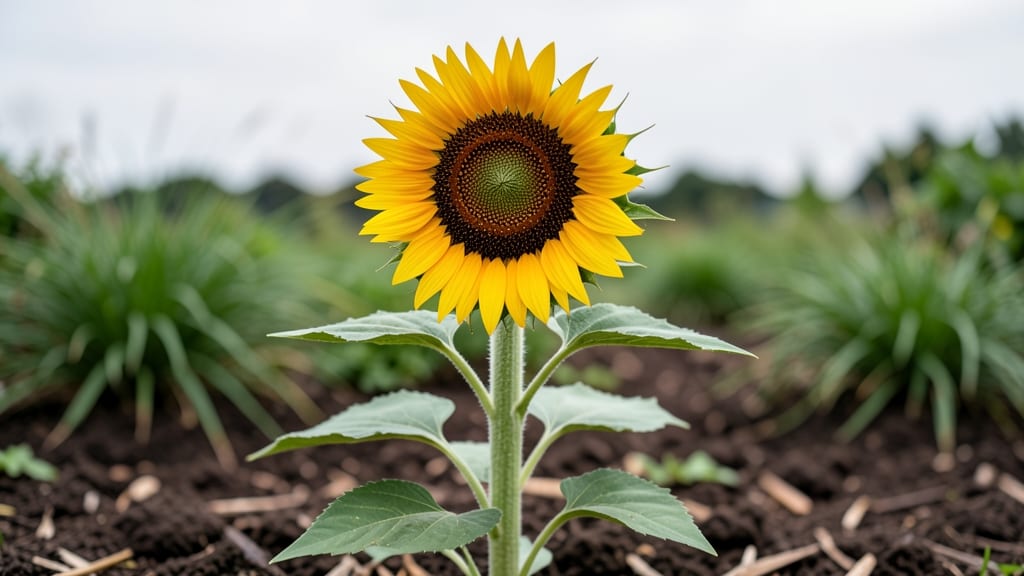
If you’ve ever wondered "how tall do dwarf sunflowers grow", the answer might surprise you—these cheerful 🌻 blooms pack a lot of personality into surprisingly compact frames.
While their towering cousins can reach sky-high, dwarf varieties typically stay between 1 and 4 feet, making them perfect for small gardens, containers, or even window boxes.
What makes dwarf sunflowers so versatile is their predictable height range, which varies slightly by variety. Some stay as petite as 12 inches, ideal for borders or edging, while others stretch up to 4 feet, adding height without overwhelming your space.
This consistency lets you plan your garden layout with confidence, whether you’re filling pots or lining a pathway.
But here’s the secret: their compact size doesn’t mean they’re any less impressive. Dwarf sunflowers still attract pollinators, produce edible seeds, and bring that same sun-drenched charm as their taller relatives—just in a more manageable package.
Ready to learn which varieties fit your space best and how to keep them thriving? Let’s dive in.
The key to maximizing their height (or keeping them in check) lies in a few simple growing tips, from soil prep to sunlight exposure. Whether you’re a beginner or a seasoned gardener, understanding these factors will help you grow dwarf sunflowers that stay exactly the size you want—no surprises included.

Dwarf sunflower height chart: exact growth ranges by popular variety
Choosing the right dwarf sunflower variety depends entirely on your space—whether you have a balcony planter, a window box, or a small garden bed.
Heights can range from as short as 12 inches to over 4 feet, so let’s break down the most popular varieties and their mature sizes. This chart will help you pick the perfect sunflower for containers or tight spaces while still getting those cheerful blooms!
Most dwarf sunflowers fall into three height categories: miniature (under 2 feet), compact (2–3 feet), and semi-dwarf (3–4 feet). The variety you choose will also affect bloom size, branching habits, and even whether the seeds are edible.
For example, 'Moulin Rouge' stays under 2 feet but produces giant blooms perfect for cutting, while 'Teddy Bear' tops out at 3 feet with double-layered petals.
Below is a dwarf sunflower height comparison for the most widely grown varieties, including their ideal uses and growth habits. These measurements are based on mature plants in full sun with proper spacing and care—so your results may vary slightly depending on your growing conditions.
| Variety | Mature Height | Bloom Size | Growth Habit | Best For |
|---|---|---|---|---|
| 'Moulin Rouge' | 12–18" | 4–6" | Single stem | Containers, cut flowers |
| 'Teddy Bear' | 24–36" | 3–4" | Branching | Borders, pollinators |
| 'Puck' | 18–24" | 2–3" | Single stem | Window boxes, edible seeds |
| 'Little Becka' | 12–16" | 3–4" | Single stem | Containers, cut flowers |
| 'Sunspot' | 20–24" | 2–3" | Branching | Pollinators, wildlife |
| 'Autumn Beauty' | 36–48" | 3–4" | Branching | Back of borders, cut flowers |
| 'Golden Ball' | 12–18" | 2–3" | Branching | Containers, edible seeds |
| 'Sunrich Orange' | 24–30" | 3–4" | Single stem | Cut flowers, vases |
If you’re growing dwarf sunflowers in containers, stick to varieties under 24 inches to avoid overcrowding. For example, 'Moulin Rouge' and 'Little Becka' thrive in 5-gallon pots with minimal root competition.
Meanwhile, 'Teddy Bear' and 'Autumn Beauty' need slightly larger containers (at least 7 gallons) to support their bushier growth.
For ground planting, even the tallest dwarf varieties (4 feet) won’t overwhelm small gardens. Space them 12–18 inches apart to encourage airflow and prevent disease.
If you’re using them as border plants, 'Teddy Bear' or 'Sunspot' create a lush, pollinator-friendly edge without stealing space from other plants.
One common mistake is assuming all dwarf sunflowers stay short—some varieties like 'Autumn Beauty' can stretch toward 4 feet if given rich soil and consistent moisture. To keep
How to maximize dwarf sunflower growth in small spaces
If you’ve ever wondered how to coax your dwarf sunflowers to reach their full potential—without them stretching taller than expected—you’re not alone. The secret lies in a few simple but critical growing techniques. Start with well-draining soil mixed with compost to give roots the nutrients they need.
Dwarf varieties like 'Teddy Bear' or 'Sunspot' thrive in loose, airy soil that prevents root-bound stress, which can stunt growth.
Next, pay close attention to sunlight exposure. Dwarf sunflowers crave 6–8 hours of direct sun daily, but too little light can make them leggy and weak. Place your containers or garden beds in the sunniest spot available—even a few extra hours of morning sun can make a difference.
If you’re growing in pots, rotate them weekly to ensure even light exposure on all sides.
Watering plays a surprisingly big role in height control. Overwatering can lead to stunted growth or even root rot, while underwatering stresses plants and slows development. Aim for deep watering every 2–3 days during dry spells, ensuring moisture reaches the root zone.
In containers, check the top inch of soil—if it’s dry, it’s time to water. Avoid wetting the foliage to prevent fungal diseases that can weaken plants.
- 1 Soil Prep: Mix in compost and sand for drainage. Dwarf varieties hate soggy roots!
- 2 Sunlight: Ensure 6+ hours of sun. South-facing spots are ideal for containers.
- 3 Watering: Deep soaks every 2–3 days. Let soil dry slightly between waterings.
- 4 Fertilizer: Use a balanced 5-10-10 fertilizer monthly. Stop feeding 4 weeks before frost.
- 5 Support: Stake 'Teddy Bear' if winds threaten to topple it. Use soft ties to avoid stem damage.
For bushier growth, pinch back the tips of young plants when they reach 6–8 inches tall. This encourages lateral branching, giving you more blooms in the same space. It’s especially useful for varieties like 'Sunspot', which naturally branches but can benefit from a little extra encouragement.
Just be sure to do this early in the season—once flowering begins, stop pinching to avoid stressing the plant.
If your dwarf sunflowers start looking leggy or weak, it’s often a sign of nutrient deficiency or overcrowding. Thin seedlings to 12–18 inches apart to give roots room to spread.
In containers, upgrade to a larger pot (7+ gallons) if roots are circling the edges. A light application of fish emulsion can also boost growth without overfeeding.
Finally, don’t forget to harvest seeds if you want to save them for next year! Let the flower heads dry completely on the stem before cutting them. Once the back of the bloom turns brown and the seeds rattle inside, it’s time to collect.
Store them in a cool, dry place until planting season—your future sunflowers will thank you!