
Trees
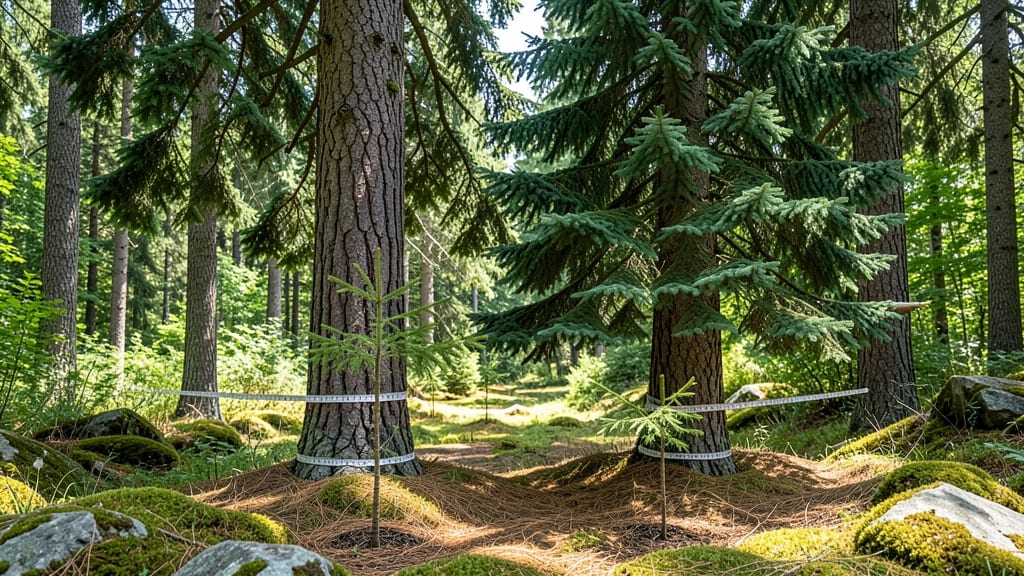
Ever looked up at a towering fir tree and wondered just how tall these evergreen giants can grow? The answer might surprise you—some varieties stretch over 200 feet, while others stay perfectly manageable for even small yards.
If you're planning your landscape or simply curious about nature's vertical marvels, understanding a fir tree's mature height is the first step to making the right choice.
The height of a fir tree—like the majestic 🌲 Douglas fir or the elegant Fraser fir—depends on its species, growing conditions, and even your local climate.
Whether you're dreaming of a grand backyard centerpiece or a compact ornamental tree, knowing these growth patterns helps you pick the perfect fit for your space. Let’s break down what to expect from these stunning evergreens.
From dwarf varieties that top out at just 10 feet to towering giants that reach skyscraper heights, fir trees offer something for every garden. Some species, like the Norway spruce (often mistaken for a fir), can grow aggressively, while others, such as the balsam fir, stay more restrained.
The key is matching your vision with the right tree—and understanding how tall it’s likely to become.
Ready to plan your fir tree landscape? We’ll explore the height ranges of popular species, the factors that influence growth, and how to choose the best fit for your yard. Whether you're a seasoned gardener or just starting out, this guide will help you make an informed decision.

Mature height ranges of popular fir tree species compared
Fir trees come in an astonishing range of sizes, from towering giants that dominate mountain forests to compact varieties perfect for small yards. The species determines how tall a fir tree will grow, with some reaching over 200 feet while others stay under 25 feet.
Understanding these differences helps you select the right fir for your space—whether you want a privacy screen or a container-friendly accent plant.
Most fir trees belong to the Abies genus, but they’re often confused with spruces (like Norway spruce) or Douglas firs. The key difference? Fir needles are flat and soft, while spruce needles are sharp and pointed.
Let’s compare the tallest and shortest fir species to help you visualize their mature heights and growth habits.
| Species | Mature Height (ft) | Growth Rate (ft/year) | Best For |
|---|---|---|---|
| Douglas Fir (Pseudotsuga menziesii) | 150–200 | 1.5–3 | Large landscapes, windbreaks |
| Balsam Fir (Abies balsamea) | 40–60 | 0.5–1.5 | Christmas trees, small woodlots |
| Fraser Fir (Abies fraseri) | 50–70 | 1–2 | Christmas trees, shade gardens |
| Norway Spruce (Picea abies) | 100–150 | 2–4 | Large estates, privacy screens |
| Dwarf Alberta Spruce (Picea glauca 'Conica') | 10–25 | 0.1–0.5 | Containers, bonsai, small gardens |
| Colorado Blue Spruce (Picea pungens 'Glauca') | 30–60 | 1–2 | Foundation plantings, urban landscapes |
The Douglas fir is the undisputed champion of height, often surpassing 200 feet in ideal conditions—taller than a 15-story building! Meanwhile, the dwarf Alberta spruce stays under 25 feet, making it ideal for containers or bonsai gardens.
Even within the same species, growth varies: a Fraser fir in a shady, nutrient-poor soil might only reach 30 feet, while one in a sunny, fertile forest could hit 70 feet.
If you’re planning a privacy screen, the Norway spruce or Douglas fir will deliver fast results, but their aggressive root systems require ample space. For small gardens, opt for dwarf varieties like Abies concolor 'Compacta', which maxes out at 15 feet and thrives in containers.
Always check the mature height label before planting to avoid surprises!
One common mistake is assuming all fir trees grow tall and wide. Many cultivars are bred to stay compact and slow-growing, perfect for urban spaces or rooftop gardens.
For example, the Glauca series of Douglas firs grows only 10–20 feet tall but retains the blue-green needles that make firs so prized.
When comparing fir trees, also consider their width. A 60-foot-tall Douglas fir can spread 20–30 feet wide, while a dwarf fir might stay under 5 feet wide.
This matters for spacing and property lines. Always measure your space and leave room for root spread, which can be 2–3 times the canopy width.
For <
Factors that determine how tall fir trees grow in your yard
Choosing the right fir tree for your yard isn’t just about picking a pretty variety—it’s about understanding what makes these trees grow tall (or stay short). The height of a fir tree depends on a mix of natural factors and how you care for it.
From soil quality to sunlight exposure, each element plays a role in whether your fir will stretch toward the sky or stay compact. Let’s break down the key variables that influence growth.
First, consider your climate and growing zone. Fir trees thrive in USDA Zones 3–7, but their growth rate varies by region.
For example, Douglas firs in the Pacific Northwest can grow 3–5 feet per year thanks to mild, wet climates, while the same species in drier zones might grow only 1–2 feet annually. Even within your yard, microclimates—like a sunny south-facing spot versus a shaded north side—can affect height.
- 🌱 Soil Type & Drainage: Well-draining, acidic soil (pH 4.5–6.0) fuels faster growth. Compacted or alkaline soil stunts height.
- ☀️ Sunlight Exposure: Full sun (6+ hours) maximizes growth, but partial shade slows it—ideal for hot climates.
- 💧 Watering Practices: Deep, consistent watering in dry spells boosts height, while drought stress limits vertical growth.
- 🪴 Spacing & Root Competition: Crowded roots restrict height; plant firs 10–20 feet apart for optimal growth.
- ✂️ Pruning Habits: Over-pruning tops slows height, while strategic cuts (e.g., removing dead branches) maintains shape without stunting growth.
Don’t overlook the species-specific growth habits. Some firs, like the Fraser fir, are naturally slower-growing and reach 40–60 feet over decades, while Douglas firs can surge to 200+ feet in ideal conditions.
Even within a species, genetic dwarf varieties (like Abies concolor ‘Compacta’) stay under 25 feet without special care. If you’re planting near power lines or structures, check your local codes—many areas restrict tall firs to 30 feet or less.
Your watering routine also makes a surprising difference. Fir trees need deep, infrequent watering (1–2 inches per week) to encourage strong root systems that support height. Shallow watering leads to weak roots and slower vertical growth.
Mulch around the base with wood chips or pine straw to retain moisture and protect roots from temperature swings, which helps the tree allocate energy to upward growth.
Finally, pruning for height control is a delicate balance. While you can’t prune a fir to stay short indefinitely (they’ll grow back), you can shape it early to encourage a fuller, bushier form that appears shorter.
Avoid cutting the top leader (the central stem)—this can trigger multiple leaders, creating a messy, multi-trunked tree. Instead, focus on removing lower branches to open up the canopy and improve airflow, which indirectly supports healthier upward growth.
By tuning these factors—soil, sun, water, and spacing—you can nudge your fir tree toward its full potential height (or keep it compact). Whether you’re aiming for a 10-foot dwarf fir or a 100-foot forest giant, understanding these variables lets you grow the perfect fir for your space. 🌲