
Flowers
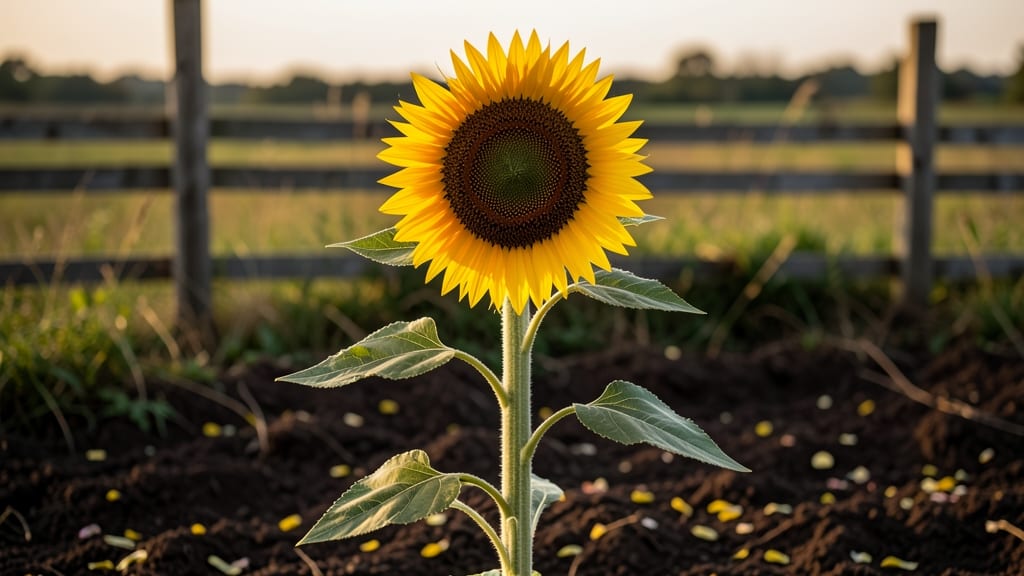
If you've ever wondered just how tall those towering 🌻 Giant Sunflowers can grow, you're about to get the real numbers—and a few surprising growth secrets that could turn your garden into a sunflower skyscraper.
Some varieties like the 'Mammoth Russian' routinely reach heights that make two-story houses look like shrubs, while others surprise with their rapid vertical growth.
The answer isn't just about the variety—soil quality, sunlight exposure, and even how you stake them play huge roles in determining whether your sunflowers will hit their maximum potential or stay disappointingly short.
I've seen firsthand how proper care can push these giants from 10 feet to nearly 20 feet tall, with some breaking records that'll make your neighbors do a double-take.
What most gardeners don't realize is that these sunflowers don't just grow tall—they grow strong when given the right conditions. The key lies in understanding their growth habits, from planting depth to watering schedules, and knowing when to intervene with support.
Whether you're working with limited space or dreaming of sunflowers that block out your view, these insights will help you cultivate the tallest, healthiest specimens possible.
Let's dive into the varieties that deliver the most dramatic heights, the science behind their growth patterns, and the simple yet effective techniques that'll have your sunflowers reaching for the sky—without toppling over before they even bloom.

Giant sunflower heights by variety: from 10 to 20 feet tall
Giant sunflowers aren’t just pretty—they’re architectural marvels that can reach heights you’d expect from small trees. The tallest varieties, like the legendary Mammoth Russian, can soar up to 18–20 feet with ideal care, while others like American Giant typically hit 10–15 feet.
These heights aren’t just bragging rights; they’re the result of centuries of selective breeding for sunflowers that thrive in open fields and sunny climates.
But here’s the catch: height potential varies wildly based on the variety, growing conditions, and even your local climate. A sunflower planted in USDA Zone 5 might max out at 12 feet due to shorter growing seasons, while the same variety in Zone 9 could easily hit 16+ feet.
The key is choosing the right variety for your environment and giving it the perfect growing conditions.
Most giant sunflowers follow a predictable growth pattern: they sprout quickly in spring, shoot up 2–3 feet in their first month, and then enter a rapid growth phase during summer.
By late July or August, you’ll start seeing their true height potential—that’s when the real magic happens, and stems can add 6–8 inches per week under ideal conditions.
Fun fact: The world record for the tallest sunflower ever grown stands at 25 feet, set by a hybrid variety in 2021. While most gardeners won’t reach that extreme, varieties like Giant of the Russian Steppe and Russian Giant come close with heights of 15–20 feet.
| Variety | Mature Height | Growth Rate | Best For |
|---|---|---|---|
| Mammoth Russian | 18–20 ft | 6–8 in/week (summer) | Open fields, tall gardens |
| American Giant | 10–15 ft | 4–6 in/week (summer) | Home gardens, cut flowers |
| Giant of the Russian Steppe | 15–18 ft | 5–7 in/week (summer) | Exhibition displays, tall trellises |
| Russian Giant | 14–17 ft | 4–7 in/week (summer) | Seeds, bird feeders |
| ProCut Hybrid | 8–12 ft | 3–5 in/week (summer) | Cut flowers, small spaces |
If you’re planning to grow a 20-foot sunflower, start with the Mammoth Russian or Giant of the Russian Steppe varieties—they’re bred for maximum height and can handle the structural demands of such towering growth.
However, even these varieties need supportive care to reach their full potential. Without proper watering, staking, and nutrients, their heights can drop by 30–50%.
For those with limited space, don’t despair! Varieties like Autumn Beauty or ProCut offer stunning blooms at 6–12 feet tall, making them perfect for smaller gardens or containers. The trade-off? They won’t block your neighbor’s view, but they’ll still turn heads with their vibrant colors and impressive stature.
One common mistake I see is assuming that bigger seeds = taller sunflowers. While larger seeds might give your plant a stronger start, height is determined by genetics and growing conditions, not seed size.
Focus instead on soil quality, sunlight exposure, and consistent care—those are the real height boosters.
For maximum height, aim to plant your giant sunflowers in well-draining, nutrient-rich soil with a pH of 6.0–7.5. Amend your soil with compost or aged manure before planting, and consider adding a balanced fertilizer (10-10-10) to encourage strong stem development.
The deeper and more established the roots, the taller your sunflower will grow.
Remember, sunflowers are fast growers, but their height is also influenced by daylight hours. In regions with shorter summers, like Zone 4 or 5, you might see slower height gains after July.
To combat this, choose early-maturing varieties or start seeds indoors 4–6 weeks before your last frost for a head start.
5 Secrets to grow sunflowers taller than ever
Giant sunflowers don’t reach their maximum height by accident—they need the right conditions and care. With these 5 science-backed secrets, you can push your Mammoth Russian or American Giant varieties toward their 20-foot potential or beyond. Start with soil preparation, the foundation of towering growth.
First, enrich your soil with compost or aged manure before planting. Sunflowers thrive in well-draining, nutrient-rich soil with a pH between 6.0 and 7.5. Avoid heavy clay or sandy soils, which stunt root development.
A balanced fertilizer (like 10-10-10) applied at planting and again when stems reach 3 feet tall fuels rapid growth without burning delicate roots.
🌱
Soak the soil to a depth of 12-18 inches every 3-5 days. Morning watering prevents fungal diseases like powdery mildew and ensures roots absorb moisture efficiently.
Install bamboo stakes or spiral trellises when stems hit 2-3 feet. Tie gently with soft plant ties to avoid restricting growth. This prevents stem breakage from wind or rain.
Remove lower side buds when they’re 1-2 inches long to redirect energy to the main stem. This boosts height by 20-30% in ideal conditions.
Sunflowers need 6-8+ hours of direct sun daily. If shade is an issue, rotate containers or thin competing plants to ensure unobstructed light.
Too much nitrogen produces leafy growth but weak stems. Stick to low-nitrogen fertilizers (like 5-10-10) to prioritize stem strength over foliage.
One common mistake gardeners make is crowding plants. Space giant sunflowers 2-3 feet apart to allow airflow and reduce competition. Overcrowding leads to shorter, weaker stems and increases disease risk. If you’re growing in containers, use large pots (15+ gallons) with drainage holes.
For extra height, try succession planting in warm climates. Plant new seeds every 2 weeks from spring to early summer to extend the growing season. This lets you harvest taller sunflowers later in the year when conditions are optimal.
With these techniques, your giant sunflowers could easily surpass 15 feet—and with perfect conditions, even 20 feet or more. Just remember: patience and consistency are key. These sunflowers grow 2-3 inches per day at peak speed, so stay vigilant with care!
☀️