
Trees
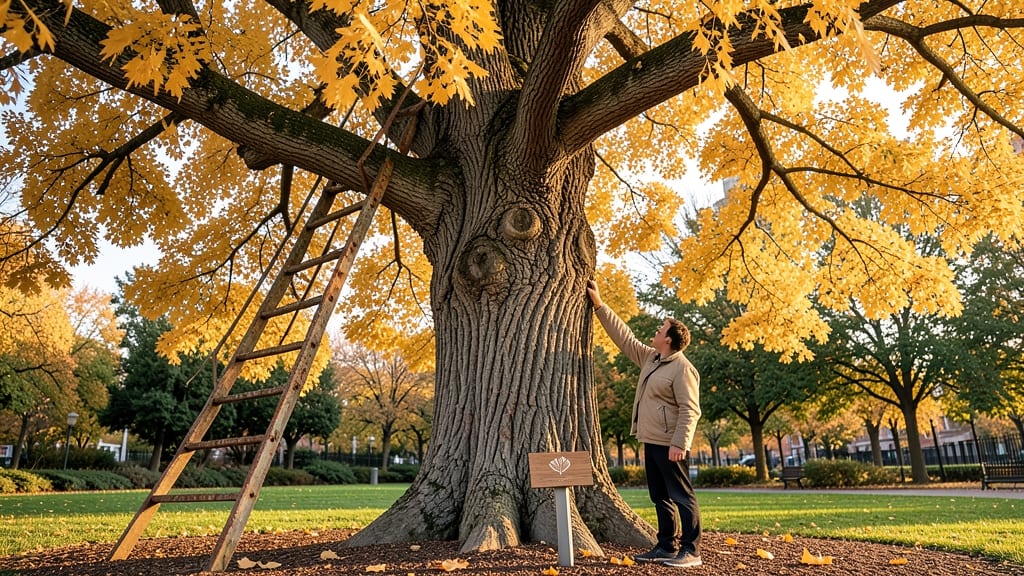
If you're planning to add a ginkgo tree 🌳 to your landscape, one of the first questions you'll ask is how tall these ancient trees can grow. The answer might surprise you—mature specimens can reach anywhere from 30 to 80 feet, with some towering even higher under ideal conditions.
What makes ginkgo trees so fascinating is their slow, steady growth rate. Unlike fast-growing species, they take their time to reach their full height, often taking decades to mature. This means you won’t see dramatic changes overnight, but the payoff is a tree that lives for centuries with minimal care.
Whether you're planting in an urban yard or a rural setting, understanding their mature size is key to spacing and long-term planning. Some varieties stay smaller, while others stretch toward the sky—we’ll break down the differences so you can choose the perfect fit for your space.
Ready to learn how to manage their height and ensure they thrive in your landscape? Let’s dive into the details so you can make the best decision for your outdoor space.

Ginkgo tree height by variety: from dwarf to giant specimens
Ginkgo trees (Ginkgo biloba) are living fossils that can reach impressive heights, but their mature size varies dramatically depending on the variety. If you're planning your landscape, knowing these differences is key to selecting the right specimen for your space.
The standard male ginkgo often grows between 30–80 feet tall, while female trees can reach up to 120 feet in ideal conditions. Their slow growth rate—about 1–2 feet per year—means they’ll take decades to reach full maturity.
Not all ginkgo trees are giants, though. Some cultivated varieties stay much smaller, making them perfect for urban gardens or smaller yards.
For example, the 'Saratoga' variety typically maxes out around 20–30 feet, while the 'Fastigiata' (also called 'Upright' ginkgo) grows tall and narrow, reaching 40–60 feet but with a 15–20 foot spread. These differences can change how you approach planting and maintenance.
Here’s a quick comparison of the most popular ginkgo varieties and their mature heights to help you decide which fits your landscape best:
| Variety | Mature Height | Spread | Growth Rate | Best For |
|---|---|---|---|---|
| Ginkgo biloba (Standard) | 30–80 ft | 25–40 ft | 1–2 ft/year | Large yards, parks |
| 'Fastigiata' (Upright) | 40–60 ft | 15–20 ft | 1–2 ft/year | Narrow spaces, streetscapes |
| 'Saratoga' | 20–30 ft | 15–25 ft | 1 ft/year | Urban gardens, small yards |
| 'Princeton Sentry' | 30–40 ft | 12–15 ft | 1–1.5 ft/year | Street trees, tight spaces |
| 'Titanium' | 30–50 ft | 20–30 ft | 1.5–2 ft/year | Medium yards, privacy screens |
When choosing a ginkgo variety, consider not just height but also your available space and long-term goals. For example, if you’re planting near a sidewalk or driveway, the 'Fastigiata' or 'Princeton Sentry' varieties are excellent choices because their narrow growth habit minimizes root interference.
Meanwhile, the 'Saratoga' is ideal for smaller urban lots where a 30-foot-tall tree won’t overwhelm the space.
Ginkgo trees also have a slow but steady growth pattern, which is great for patience—but it means you’ll need to plan ahead. A standard ginkgo planted today won’t reach its full height for 50–100 years.
This longevity makes them a fantastic investment for future generations, but it’s worth confirming your chosen variety’s mature dimensions before planting. Always check local regulations, too, as some cities restrict tree heights near power lines or sidewalks.
One more thing to keep in mind: ginkgo trees develop a wide canopy as they mature, often spreading 1.5 times their height. This means a 60-foot-tall ginkgo could have a 90-foot-wide canopy in ideal conditions.
If you’re planting near other trees or structures, leave plenty of room to avoid future conflicts. For instance, a 30-foot-tall ginkgo should have at least 40 feet of clearance on all sides to thrive without competition.
If you’re unsure which variety to pick, start with the 'Saratoga' for urban settings or the 'Fastigiata' for a vertical accent. Both offer stunning foliage and minimal maintenance while staying within manageable height limits. For larger properties, the standard Ginkgo biloba delivers that iconic, cathedral-like presence that’s hard to beat.
Remember, ginkgo trees are drought-tolerant once established, so their height isn’t the only factor to consider. Their deep root systems and
How ginkgo tree height affects your landscape design
When planning to add a ginkgo tree to your landscape, its mature height isn't the only factor—it's the foundation for everything else.
These trees can reach 30–80 feet tall (or even taller in ideal conditions), but their canopy spread of 15–30 feet can dramatically impact nearby plants, pathways, and even your home's sunlight.
In urban settings, where space is limited, you might opt for a columnar variety like 'Fastigiata' (growing 40–60 feet tall but only 10–15 feet wide).
This choice alone can mean the difference between a tree that blocks your neighbor's view and one that adds vertical interest without overpowering your yard.
Here’s how height influences your design decisions:
🌳 Key Landscape Considerations
- Sunlight: A 60-foot ginkgo can cast shade over 500+ sq ft of ground, eliminating sun for smaller plants underneath.
- Wind exposure: Tall ginkgos act as windbreaks but may also amplify wind near their trunks, stressing nearby shrubs.
- Root spread: Even dwarf varieties develop roots 2–3 times wider than their canopy, so plant at least 15 feet from foundations.
- Neighbor conflicts: A 70-foot ginkgo near a property line may require legal discussions about overhanging branches.
For residential gardens, I recommend planting ginkgos at least 20–30 feet from structures to avoid root damage and give future pruning room. In smaller yards, a container-grown specimen (like 'Saratoga') can be a game-changer, offering 30–50 feet of height in a 10-foot-wide footprint.
Pro tip: Use dwarf varieties for foundation plantings or as focal points in small courtyards. Their slower growth rate means you’ll have decades to enjoy their golden fall foliage without immediate space constraints.
Remember, ginkgos are long-lived—some exceed 1,000 years—so choose their location carefully. Once established, moving them becomes nearly impossible.