
How To
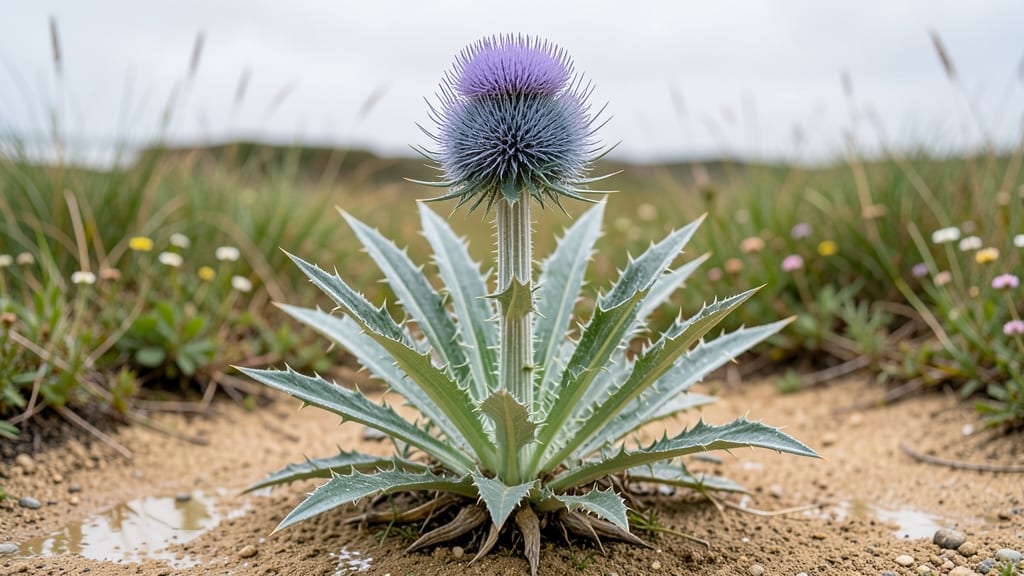
If you're dreaming of adding dramatic texture to your garden but wondering how tall sea holly does grow, you're in the right place. This striking perennial can surprise you—some varieties stretch nearly as tall as a person, while others stay compact enough for borders or containers.
Sea holly isn’t just about height; it’s a game-changer for pollinators and drought-prone gardens. Whether you're planning a bold statement piece or a low-maintenance border, knowing the mature size of each variety is the key to placing it perfectly in your landscape.
From the towering 5-foot giants like Eryngium yuccifolium to the 1-foot dwarfs*, we’ll break down exactly what to expect. Plus, I’ll share how sunlight, soil, and pruning can help you control—or maximize—its growth.
Ready to discover which sea holly fits your space? Let’s dive into the details so you can plant with confidence and create a garden that turns heads.

Sea holly mature heights by variety: from dwarf to towering
Sea holly (Eryngium spp.) is a versatile perennial that can range from compact border plants to towering garden stars, depending on the variety.
If you're planning your garden layout, knowing the mature height of each type helps you decide whether to plant sea holly in containers, borders, or as focal points. Some varieties stay under 2 feet, while others can reach 6 feet—making them perfect for dramatic backdrops.
The height of sea holly isn’t just about aesthetics; it also affects spacing, sunlight exposure, and even pollinator attraction. For example, taller varieties like Eryngium yuccifolium attract bees from a greater distance, while dwarf types like Eryngium planum thrive in tight spaces.
Let’s explore the mature heights of popular sea holly varieties so you can choose the perfect fit for your garden.
🌱 Comparison Table: Sea Holly Varieties by Height
| Variety | Mature Height | Growth Habit | Ideal Spacing |
|---|---|---|---|
| Eryngium planum (Blue Sea Holly) | 1–2 ft | Clumping | 12–18 in apart |
| Eryngium giganteum (Miss Willmott’s Ghost) | 3–4 ft | Upright | 2–3 ft apart |
| Eryngium yuccifolium (Rattlesnake Master) | 5–6 ft | Tall, slender | 3–4 ft apart |
| Eryngium bourgaei (Spanish Sea Holly) | 3–4 ft | Bushy | 2 ft apart |
| Eryngium x oliverianum (Oliver’s Sea Holly) | 2–3 ft | Compact clump | 18–24 in apart |
| Eryngium agavifolium (Agave-Leaf Sea Holly) | 2–3 ft | Rosette-forming | 2 ft apart |
| Eryngium amethystinum (Amethyst Sea Holly) | 1.5–2.5 ft | Dense clump | 12–18 in apart |
| Eryngium tripartitum (Three-Lobed Sea Holly) | 1–2 ft | Low-growing | 12 in apart |
As you can see, taller varieties like Eryngium yuccifolium can reach human height, making them ideal for backyard focal points or cottage gardens. Meanwhile, dwarf types like Eryngium planum are perfect for rock gardens or container planting.
The key to maximizing height is providing well-draining soil and full sun, but even then, some varieties naturally stay low.
If you’re growing sea holly in containers, opt for dwarf varieties like Eryngium tripartitum or Eryngium amethystinum, as they won’t outgrow their pots. For border planting, varieties like Eryngium planum or Eryngium x oliverianum create a textured, low-maintenance edge.
Meanwhile, tall varieties like Eryngium giganteum shine in mixed perennial beds where they can reach their full potential.
One common misconception is that all sea holly grows tall. In reality, height varies widely, and some varieties even spread more than they grow upward.
For example, Eryngium planum might only reach 2 feet but can spread 2 feet wide, making it ideal for ground cover in sunny areas. Always check the growth habit before planting to avoid crowding.
For coastal gardens, taller varieties like Eryngium bourgaei thrive in sandy, windy conditions, while inland gardens benefit from dwarf types that require less space.
If you’re unsure which variety to choose, start with medium-height options like Eryngium x oliverianum, which offer a balance of height and manageable spread. This gives you flexibility to experiment without overwhelming your garden.
Pro tip: Deadhead spent blooms in early summer to encourage a second flush of flowers, which can slightly extend the plant’s height and overall presence in the garden. This is especially useful for taller varieties, as it keeps them looking lush and full throughout the season.
Whether you’re aiming for a whimsical cottage garden or a modern, structured landscape, sea holly’s height variability means there’s a perfect variety for every space. Now that you know the mature heights, you can confidently plan where to place each type for maximum impact.
Next, we’ll explore how to optimize sea holly height through soil, sunlight, and pruning—so you can get the most out of your chosen variety! 🌿
Factors that influence sea holly height: soil, sun, and pruning tips
Sea holly (Eryngium) thrives when you understand how to control its height naturally. While genetics set the baseline, soil quality, sunlight exposure, and pruning habits can dramatically alter how tall your plants grow.
For example, well-draining sandy soil encourages taller growth, while clay-heavy soil may stunt it. Let’s break down the key factors to maximize—or contain—your sea holly’s stature.
Sunlight is non-negotiable for sea holly. Full sun (6+ hours daily) is ideal, pushing varieties like Eryngium yuccifolium toward their maximum 5–6 ft height. However, partial shade can reduce height by 30–50%, making smaller varieties like Eryngium planum stay under 2 ft tall.
Monitor your garden’s sunlight patterns—especially in coastal areas where reflective light can mimic full sun.
Pruning is your secret weapon for height control. After flowering, snip back spent blooms to a few inches above the base. This redirects energy to root growth, ensuring your sea holly reaches its genetic height potential the next season.
For dwarf varieties like Eryngium bourgaei, a light trim in early spring keeps them under 3 ft tall while maintaining their compact, bushy shape.
Over-fertilizing is a common mistake that backfires. While sea holly benefits from a light spring feed (5-10-10 NPK), too much nitrogen leads to leafy, leggy growth rather than sturdy stems. In coastal gardens, where soil is often nutrient-rich, skip fertilizing entirely—your plants may grow taller but weaker.
Instead, focus on well-draining soil and minimal watering to encourage natural height.
Climate plays a subtle but critical role. In arid regions, sea holly grows taller to access moisture, while humid climates may produce shorter, denser plants. If you’re in a USDA Zone 7–9, expect 10–20% taller growth compared to cooler zones.
Adjust spacing accordingly—taller varieties need 18–24 inches between plants, while dwarf types thrive in 12-inch clusters.
For coastal gardens, where wind and salt spray can stress plants, choose salt-tolerant varieties like Eryngium maritimum (2–3 ft tall). These thrive in sandy, windy conditions but still need well-drained soil to prevent root rot.
Mulch with gravel or coarse sand to mimic their natural habitat and maintain ideal height.
By tweaking these factors, you can coax your sea holly to reach its full potential—or keep it petite for containers. Experiment with soil mixes, sunlight adjustments, and pruning schedules to find the perfect height for your garden’s vision. 🌿