
How To
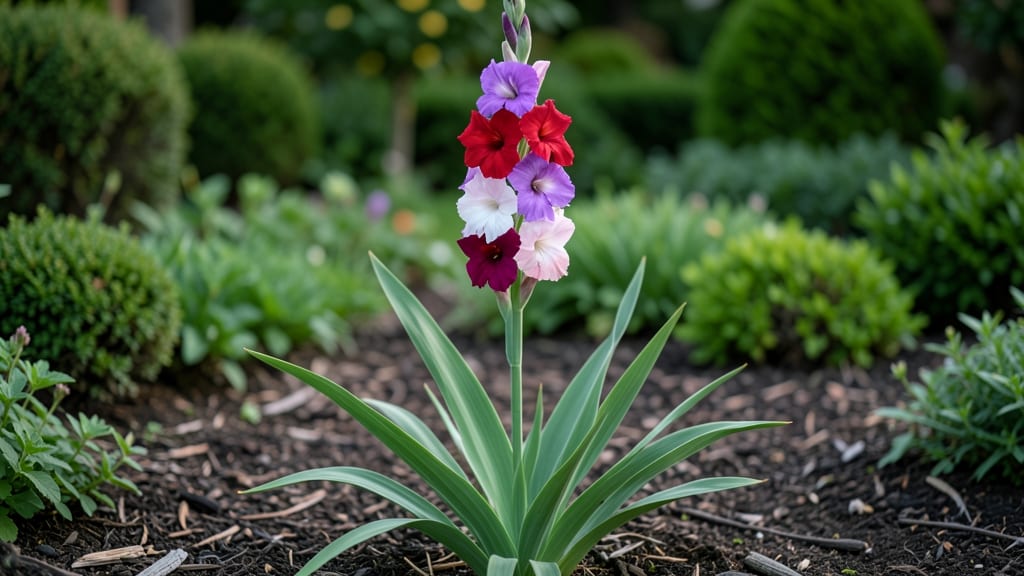
Wondering how tall do gladioli grow in your garden? These striking 🌸 gladioli can shoot up like garden giants—some varieties reaching a jaw-dropping 5 feet or more, while others stay compact at just 2 feet. The difference? Variety, care, and a little know-how.
If you’ve ever planted gladioli and ended up with lanky stems that flopped over or stunted blooms, you’re not alone. The right spacing, soil, and sunlight can mean the difference between show-stopping spikes and sad, sprawling plants.
Let’s break down exactly what to expect—and how to coax those tallest blooms to stand proudly in your garden.
From dwarf varieties perfect for containers to towering giants that demand staking, gladioli offer options for every space. Whether you’re a beginner or a seasoned gardener, knowing these height ranges will help you plan your garden layout like a pro. Ready to grow gladioli that turn heads? Let’s get started.
We’ll cover the exact height ranges by variety, spacing secrets to prevent toppling, and the 5 key factors that influence how tall your gladioli will grow. No more guesswork—just blooms that reach their full potential (and your expectations).

Gladiolus height ranges by variety: from dwarf to giant bloomers
Gladioli aren’t one-size-fits-all when it comes to height—some varieties stay compact enough for container gardens, while others shoot up like towering sentinels in your landscape.
The average gladiolus height falls between 3 to 5 feet, but dwarf varieties can stay as short as 2 feet, and giant bloomers may top 5 feet or more. Choosing the right variety ensures your gladioli fit your space and your vision.
Most gardeners assume all gladioli reach the same height, but the truth is far more exciting. Some varieties, like 'Attitude' or 'Green Star', max out at 2 to 3 feet, making them perfect for borders or mixed containers.
Meanwhile, standard varieties like 'Pyramid' or 'Black Star' can easily surpass 5 feet, creating dramatic focal points in your garden.
Here’s the key: height isn’t just about the stem. The number of blooms per spike, the width of the foliage, and even the color intensity can vary wildly between varieties.
For example, white gladioli like 'White Prosperity' often grow taller than their pink or red counterparts, while deep purple varieties like 'Black Pearl' tend to be stockier and slightly shorter.
If you’re planning a cut-flower garden, taller varieties (4–5 feet) are ideal because their long, sturdy stems hold up well in vases. But if you’re adding gladioli to a pollinator-friendly border, dwarf or semi-dwarf varieties (2–3 feet) blend seamlessly without overwhelming smaller perennials like salvias or coreopsis.
🌸
| Variety Type | Height Range | Bloom Season | Color Trends | Best For |
|---|---|---|---|---|
| Dwarf | 2–3 ft | Mid-to-late summer | White, pink, yellow | Containers, borders |
| Semi-Dwarf | 3–4 ft | Late summer | Red, orange, bi-color | Cut flowers, mixed beds |
| Standard | 4–5 ft | Mid-to-late summer | Purple, black, deep pink | Focal points, bouquets |
| Giant | 5–6+ ft | Late summer | White, green, unique patterns | Dramatic displays, tall beds |
🌱 Pro Tip: Giant varieties often need staking to prevent toppling in windy areas.
One of my favorite unexpected gladiolus varieties is 'Green Star', which grows just 2 to 3 feet tall but produces chartreuse blooms that pop against dark foliage. It’s a game-changer for gardeners who want height without the bulk.
On the opposite end, 'Black Pearl' can reach 5 feet with its deep maroon blooms, making it a showstopper in any garden.
If you’re new to gladioli, start with a mix of heights to create visual layers. Plant dwarf varieties in the front, semi-dwarfs in the middle, and taller types toward the back.
This trick works especially well in cutting gardens, where you can harvest blooms at different heights without bending over too much.
Another factor that surprises gardeners? Second-year growth. Gladioli often grow taller in their second year if you leave the corms in the ground (in frost-free zones). For example, a 3-foot variety might shoot up to 4 feet the following season if given the right care.
This makes them a cost-effective choice for long-term garden planning.
For urban gardeners with limited space, consider 'Attitude' or 'Pink Parfait', both of which stay under 3 feet but still produce dozens of blooms per spike. These varieties prove that height isn’t the only measure of success—density and color impact matter just as much!
🌿
Proper spacing and support: how to prevent gladioli from toppling or crowding
Gladioli may look delicate, but their towering stems need proper spacing and support to avoid flopping or breaking. Overcrowding is a silent growth killer—it stunts height by 30-50% and invites diseases like botrytis.
Let’s break down the science-backed spacing rules and support tricks to keep your gladioli upright and thriving.
Start with spacing based on height. Dwarf varieties (2-3 feet) need 6-8 inches between plants, while giant varieties (4-5 feet) demand 18+ inches. This isn’t just guesswork—it’s about giving roots room to access nutrients and stems room to stand tall.
I once planted giants too close, and they leaned like drunk ballerinas by mid-summer!
Soil amendments are your secret weapon. Amend your soil with compost or aged manure before planting to improve drainage and nutrient uptake. Gladioli hate soggy feet—waterlogged soil causes stems to weaken and rot. Aim for well-draining, slightly sandy loam with a pH of 6.0-6.5. A quick soil test costs pennies and saves you from heartbreak later.
✅ DO: Maximize Gladiolus Height & Stability
- ☑️ Space dwarfs 6-8" apart, giants 18+"
- ☑️ Add compost to soil for drainage and nutrients
- ☑️ Stake tall varieties before they reach 2 feet
- ☑️ Water deeply 1x/week (avoid wetting foliage)
❌ DON’T: Common Mistakes That Stunt Growth
- ✖️ Overcrowd plants—roots compete for space/nutrients
- ✖️ Skip staking in windy areas—stems break easily
- ✖️ Water shallowly or at night (fungus risk)
- ✖️ Plant too deep—corms need 4-6" depth
Staking is non-negotiable for varieties over 3 feet. Use bamboo stakes or metal cages (not flimsy twigs!) and tie stems loosely with soft plant ties every 12 inches.
I swear by 3-foot stakes for giants—insert them 2-3 inches deep into the soil at planting. This prevents the "gladioli Jenga tower" effect when wind hits.
Wind is the arch-nemesis of tall gladioli. If your garden is breezy, consider planting them near a fence or wall for natural windbreaks. You can also weave stems together in clusters of 3-5 for extra stability. Just avoid tying them too tight—restrictive ties can girdle stems and halt growth.
Finally, mulch around the base with 2-3 inches of straw or shredded leaves to retain moisture and regulate soil temperature. This simple step can boost height by up to 1 foot in hot climates.
My ‘Green Star’ gladioli hit 5 feet last summer thanks to this trick—proof that small efforts yield big blooms!