
How To
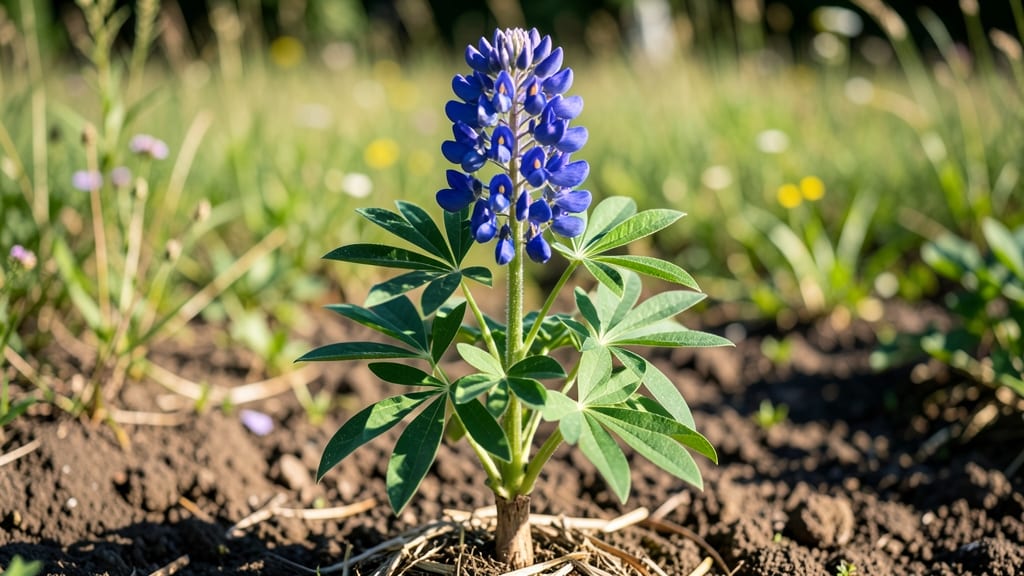
Wondering how tall does Baptisia grow before it becomes a space hog in your garden? This striking perennial—with its delicate 🌸 blooms and deep blue-green foliage—can reach heights that surprise even seasoned gardeners.
If you're planning your spring planting schedule for USDA Zone 6a, knowing Baptisia's mature size is key to avoiding overcrowding. Some varieties top out at just 3 feet, while others stretch toward 5 feet, making proper spacing essential for a healthy display.
In this guide, I'll break down the exact heights of popular Baptisia types like 'Baptisia australis' and 'Baptisia alba,' plus the ideal spacing to give your plants room to thrive without competing for sunlight or nutrients.
Whether you're designing a pollinator-friendly border or filling a sunny spot in your landscape, these insights will help you plant with confidence—so your False Indigo thrives from its first spring flush to its mature glory.

Baptisia height by type: exact mature sizes for planning
Baptisia, or false indigo, is a stunning perennial known for its striking blue, purple, or yellow flowers and long-lasting foliage. But before you plant, knowing its mature height helps you avoid overcrowding or wasted space.
Most Baptisia varieties reach 3 to 5 feet tall, but some dwarf cultivars stay under 2 feet. Let’s break down the exact heights by type so you can plan your garden layout perfectly.
The most common Baptisia species—like Baptisia australis (blue false indigo) and Baptisia alba (white false indigo)—typically grow 3 to 4 feet tall at maturity.
These varieties form clumping habits, meaning they grow upright and spread moderately, making them ideal for mid-border plantings or as backdrop plants near fences or walls. Their height also makes them comparable to lupines or coneflowers, but with longer bloom times and lower maintenance.
Now, let’s dive into the exact mature heights for popular Baptisia varieties, including dwarf, standard, and tall-growing types, so you can choose the perfect fit for your garden design.
| Variety | Mature Height | Spread | Growth Habit | Best For |
|---|---|---|---|---|
| Baptisia australis (Blue False Indigo) | 3–4 ft | 2–3 ft | Clumping, upright | Mid-border, pollinator garden |
| Baptisia alba (White False Indigo) | 3–5 ft | 2–3 ft | Clumping, slightly spreading | Back of border, cottage garden |
| Baptisia 'Carolina Moonlight' (Yellow) | 2–3 ft | 2 ft | Compact, bushy | Containers, small gardens |
| Baptisia 'Blue Mist' (Dwarf) | 1.5–2.5 ft | 1.5 ft | Low-growing, mounding | Front of border, rock gardens |
| Baptisia 'Solar Flare' (Orange-Yellow) | 3–4 ft | 2–3 ft | Upright, spreading | Pollinator-friendly borders |
All heights are approximate and may vary based on growing conditions.
If you’re designing a pollinator garden, Baptisia australis and 'Solar Flare' are excellent choices due to their tall stature and long bloom times. For smaller spaces or containers, 'Blue Mist' or 'Carolina Moonlight' stay compact while still offering vibrant color and low maintenance.
Pro tip: Pair taller Baptisia varieties with shorter perennials like salvia or catmint to create a layered look without overpowering your garden.
Baptisia also grows slowly in its first year, reaching only 1 to 2 feet tall. By year two, expect 2 to 3 feet, and full maturity (3 to 5 feet) typically occurs by year three.
This gradual growth makes it easier to space plants correctly from the start, avoiding the need for later transplanting or pruning to control height. For fast-growing gardens, consider planting Baptisia in groups of 3 to 5 to create a bold, textured display that fills in beautifully over time.
One key factor influencing height is sunlight exposure. Baptisia thrives in full sun (6+ hours daily), where it reaches its maximum height and bloom potential. In partial shade, expect shorter growth (2–3 feet) and fewer flowers. If your garden has limited sun, opt for dwarf varieties like 'Blue Mist' or plant Baptisia near taller shrubs that provide afternoon shade while still allowing
Baptisia height by type: exact mature sizes for planning
Baptisia, also called false indigo, is a stunning perennial that adds height and texture to any garden. Understanding its mature height helps you plan borders, pathways, or pollinator gardens effectively.
Most varieties reach 3 to 5 feet tall, but some dwarf types stay under 2 feet, making them perfect for containers or small spaces.
This height comparison covers the most popular Baptisia varieties, including their growth habits and ideal uses. Whether you're designing a sun-loving perennial bed or a drought-tolerant landscape, knowing these details ensures your plants thrive without overcrowding.
| Variety | Mature Height | Spread | Growth Habit | Best For |
|---|---|---|---|---|
| Baptisia australis | 3–5 ft | 2–3 ft | Clumping | Back of borders, pollinator gardens |
| Baptisia alba | 2–3 ft | 1–2 ft | Clumping | Containers, cottage gardens |
| 'Blue Mist' | 2–3 ft | 2 ft | Compact | Small gardens, rock gardens |
| 'Carolina Moonlight' | 3–4 ft | 2–3 ft | Clumping | Pollinator-friendly borders |
| 'Twilight Zone' | 1.5–2.5 ft | 1.5 ft | Dwarf | Containers, patios |
If you're comparing Baptisia to other perennials, it grows taller than lupines (1–3 ft) but shorter than delphiniums (3–6 ft). Its clumping habit makes it ideal for layered plantings, while its drought tolerance ensures it thrives in low-maintenance gardens.
For first-year growth, expect Baptisia to reach only 1–2 feet, but it gains 2–3 feet annually until mature. Patience pays off—once established, these plants bloom for weeks in late spring and attract bees and butterflies.
When planning your garden layout, group taller varieties (like 'Carolina Moonlight') at the back and shorter types (like 'Blue Mist') in the front. This creates a natural tiered effect while maximizing vertical space.
Pro tip: Pair Baptisia with low-growing companions like salvia or catmint to highlight its arching flower spikes. The contrast in textures and heights adds depth to your garden design.