
Trees
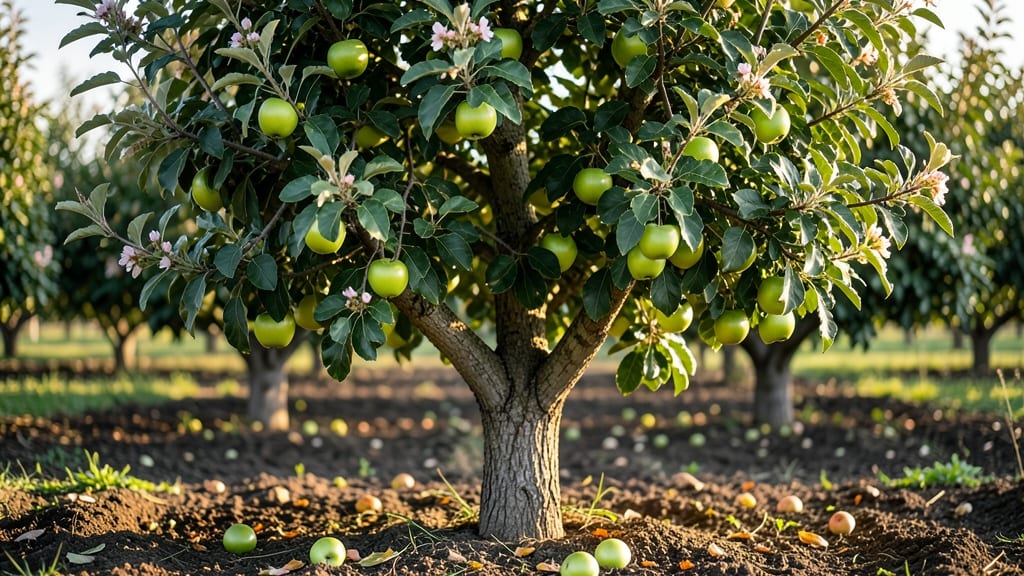
If you're wondering how tall do Granny Smith apple trees grow, the answer depends entirely on the variety you choose—because these tangy 🍎 favorites can stretch toward the sky or stay neatly compact.
A standard Granny Smith might reach 15 to 25 feet at maturity, towering like a backyard giant, while dwarf versions stay a manageable 6 to 8 feet, perfect for small gardens or containers.
The key to controlling height lies in rootstock—think of it as the tree’s genetic foundation. Semi-dwarf varieties bridge the gap at 12 to 16 feet, offering a balance between space efficiency and fruit production. But no matter which you pick, proper spacing and sunlight are non-negotiable for healthy growth.
Whether you’re dreaming of a full-sized tree for fresh apples or a space-saving dwarf, understanding these growth patterns will help you plan your garden like a pro. Let’s break down the best options for your space and how to keep your Granny Smith thriving—no matter its height.
From pruning tips to container gardening hacks, you’ll discover how to maximize fruit without sacrificing your backyard’s layout. Ready to grow your own crisp, tangy apples? Let’s get started.

Granny Smith apple tree heights: standard, semi-dwarf, and full-sized varieties explained
When planning your Granny Smith apple tree dream garden, the first question is almost always: how tall will it grow? The answer depends entirely on the rootstock and variety you choose.
Standard Granny Smith trees can soar to 15–25 feet at maturity, while dwarf varieties stay a manageable 6–12 feet. Understanding these differences will help you select the perfect tree for your space and pruning style.
Standard Granny Smith apple trees are the classic choice for large properties, reaching heights comparable to a two-story house. These trees thrive when planted 20–30 feet apart to allow proper airflow and sunlight penetration.
However, their impressive height means they’ll need regular pruning to maintain shape and fruit quality. If space isn’t a concern, these varieties offer the most robust fruit production and longevity.
For gardeners with limited space, semi-dwarf Granny Smith trees strike a balance. These trees typically mature between 12–16 feet, making them ideal for medium-sized yards. They require 12–15 feet of spacing and benefit from structured pruning to control their spread.
Semi-dwarfs produce larger fruit yields than dwarf varieties while staying more manageable than standard trees.
Now, let’s talk about the game-changer for small gardens: dwarf Granny Smith apple trees. These compact wonders mature between 6–12 feet, making them perfect for containers, balconies, or tight urban spaces.
With proper care, they can even thrive in 5-gallon pots, though they’ll need regular feeding and pruning to maximize fruit production. Their smaller stature also means they’re easier to harvest and maintain.
| Variety | Mature Height | Spacing Needs | Best For |
|---|---|---|---|
| Standard | 15–25 ft | 20–30 ft apart | Large properties, orchards |
| Semi-Dwarf | 12–16 ft | 12–15 ft apart | Medium yards, suburban gardens |
| Dwarf | 6–12 ft | 8–10 ft apart (or containers) | Small gardens, patios, balconies |
The rootstock plays a crucial role in determining your tree’s final height. Standard trees are often grafted onto seedling rootstock, which encourages vigorous growth. Semi-dwarfs use intermediate rootstocks like M.9 or MM.106, while dwarfs rely on dwarfing rootstocks such as M.26 or B.9.
Choosing the right rootstock isn’t just about height—it also affects fruit size, cold hardiness, and disease resistance.
If you’re planting multiple Granny Smith trees, consider mixing varieties to ensure cross-pollination for better fruit set. Dwarf trees, for example, pair beautifully with other dwarf varieties like Gala or Fuji.
Just be sure to space them according to their mature heights to avoid overcrowding, which can lead to pests, diseases, and reduced fruit quality.
For those with limited space, container growing is a fantastic option. Dwarf Granny Smith trees thrive in large pots (at least 18 inches in diameter) filled with well-draining soil. Just
No matter which variety you choose, pruning is key to controlling height and encouraging fruit production. Regular pruning also improves air circulation, reducing the risk of fungal diseases like apple scab. Start pruning in late winter or early spring before new growth begins, and repeat as needed throughout the growing season.
Whether you’re dreaming of a towering orchard tree or a compact container plant, understanding your Granny Smith’s potential height will help you plan for success. With the right variety and care, you’ll be enjoying crisp, tangy apples in no time—no matter the size of your garden!
Granny Smith apple tree heights: standard, semi-dwarf, and full-sized varieties explained
When planning your Granny Smith apple orchard, size matters more than you might think. A standard Granny Smith tree can tower up to 20-25 feet tall at maturity, while dwarf varieties stay under 8 feet.
The difference isn’t just in height—it affects your garden layout, pruning needs, and even fruit production.
Most nurseries sell Granny Smith trees grafted onto rootstocks that control their final size. The rootstock you choose determines whether your tree becomes a skyscraper or a compact bush.
For example, M.9 rootstock produces dwarf trees (6-8 ft), while MM.106 yields semi-dwarfs (12-16 ft), and seedling rootstock grows full-sized trees (20+ ft).
Granny Smith Apple Tree Height Guide
| Variety | Mature Height | Rootstock | Space Needs |
|---|---|---|---|
| Dwarf | 6-8 ft | M.9, B.9 | 10-15 ft apart |
| Semi-Dwarf | 12-16 ft | MM.106, MM.111 | 15-20 ft apart |
| Standard | 20-25 ft | Seedling | 25-30 ft apart |
If you’re working with limited space, dwarf Granny Smith trees are your best bet. They fit neatly into small backyards, containers, or even balconies with proper care.
Just remember: smaller trees need more frequent pruning to maintain shape and encourage fruit production. Semi-dwarf trees strike a balance, offering better fruit yields than dwarfs while staying manageable.
For full-sized trees, plan ahead—these giants need ample space (25+ ft apart) and heavy-duty pruning to keep them healthy. They’re better suited for rural properties or orchards where height isn’t a concern.
If you’re unsure, ask your nursery about spacer trees—they grow between rows to improve airflow and reduce disease risk.
Your climate zone also plays a role. In colder regions, taller trees may need winter protection for their fruit buds, while dwarf trees benefit from mulching to insulate roots. Always check your USDA hardiness zone (Granny Smiths thrive in zones 5-9) before planting.
No matter which size you choose, proper spacing is key. Crowded trees compete for sunlight, water, and nutrients, leading to smaller fruit and weaker growth. Follow the spacing guidelines above, and your Granny Smith will reward you with juicy, tangy apples for years to come. 🍏🌳