
How To
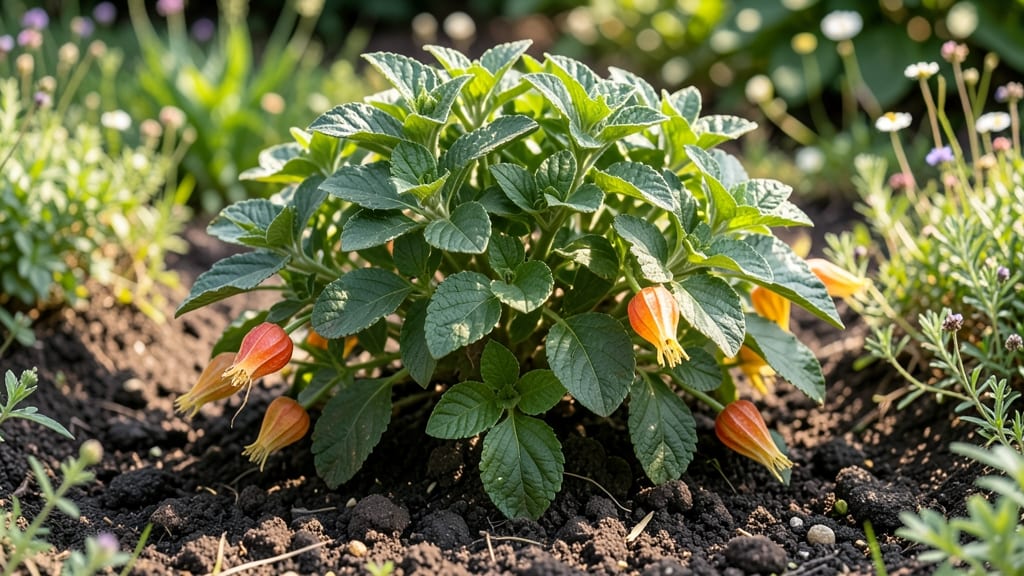
If you're wondering how tall do ground cherries grow, the answer might surprise you—these little powerhouses pack a big flavor in surprisingly compact (or sometimes sprawling) packages.
Some varieties like the Physalis pruinosa stay neatly under 3 feet, making them perfect for containers or small gardens, while others like the Pineapple ground cherry can stretch toward 6 feet if left unchecked.
Understanding your ground cherry's 🍒 growth habit is the key to maximizing your harvest without turning your garden into a tangled mess. Bushy types like 'Goldie' stay manageable, while vining varieties need space—or a trellis—to keep them from flopping over.
The right spacing (as little as 12 inches for dwarfs or up to 3 feet for sprawlers) can mean the difference between a few stray fruits and a lush, productive plant.
Whether you're working with a 4-inch pot on your balcony or a full garden bed, knowing your plant's mature size helps you plan everything from sunlight exposure to pest control.
And don't worry—even the tallest varieties can be tamed with simple pruning or support. Let's break down exactly what to expect from your ground cherry's growth journey.
From tiny bush varieties that fit snugly in containers to towering vines that need room to roam, we'll cover spacing rules, trellising tips, and how to keep your plants happy—no matter how much (or little) space you've got. Ready to grow like a pro?

Ground cherry plant height by variety: dwarf vs. giant growth habits
Ground cherries (Physalis spp.) are a gardener’s dream—packed with flavor and easy to grow—but their height range varies wildly between varieties. Some stay compact like bushy shrubs, while others sprawl like 6-foot vines.
Knowing these differences helps you plan spacing, trellising, and even container gardening for your specific variety.
Most common ground cherry varieties fall between 1 to 6 feet tall, with some dwarf types reaching just 12 inches if pruned. The growth habit—whether bushy or vining—also impacts how you’ll manage them in your garden. Let’s break down the most popular types and their mature sizes.
| Variety | Height Range | Growth Habit | Best For |
|---|---|---|---|
| Goldie | 2–3 ft | Bushy, compact | Containers, small gardens |
| Pineapple | 5–6 ft | Sprawling vine | Trellises, large gardens |
| Japanese (Physalis pruinosa) | 1–2 ft | Dwarf, bushy | Windowsills, small pots |
| Cherokee Purple | 3–4 ft | Semi-vining | Raised beds, trellises |
| Black Prince | 4–5 ft | Tall vine | Vertical gardens |
If you’re growing ground cherries in containers, stick to dwarf varieties like Japanese or Goldie, which thrive in 5-gallon pots or larger. Their compact height (1–3 ft) makes them perfect for balconies or patios.
For large gardens, taller varieties like Pineapple or Black Prince will produce more fruit but need sturdy trellises to support their weight.
One key factor affecting height is pruning. Regularly trimming vining varieties can keep them under control, while bush types benefit from pinching back early flowers to encourage bushier growth. I’ve found that pruning in early spring helps redirect energy toward fruit production rather than excessive vine growth.
Climate also plays a role—warmer zones (USDA 8–10) often see taller, more vigorous growth, while cooler regions may produce slightly shorter plants. For example, Pineapple ground cherries in Florida can reach 6+ feet, but in Zone 5, they might max out at 4 feet.
Always check your local last frost date and plant accordingly to avoid stunted growth.
For maximum yield, pair tall varieties with trellises or cages to save space and improve airflow, reducing disease risk. Even bush types benefit from light support as their fruit-laden branches can sag.
I’ve used DIY tomato cages or bamboo stakes with great success—just ensure they’re tall enough for your variety’s mature height.
If you’re new to growing ground cherries, start with a mix of heights—like one Goldie (compact) and one Pineapple (tall)—to see what thrives in your space. This way, you’ll get a sense of their growth patterns and adjust next year’s planting plan accordingly.
🌱 Remember: The sweetest ground cherries often come from well-spaced, properly supported plants. Whether you’re working with a 1-foot dwarf or a 6-foot vine, understanding their height will help you cultivate a thriving, productive garden.
Ground cherry plant height by variety: dwarf vs. giant growth habits
Ground cherries (Physalis spp.) come in a surprising range of sizes—some stay compact enough for containers, while others sprawl like wild vines. The height you’ll see depends entirely on the variety you choose, with some reaching just 1–2 feet and others stretching to 5–6 feet.
Understanding these differences helps you plan spacing, trellising, and even container gardening strategies.
For example, the ‘Goldie’ variety stays neatly between 2–3 feet, making it ideal for small gardens or raised beds. On the other end, ‘Pineapple’ ground cherries can climb to 5–6 feet if left unchecked, requiring sturdy support.
Even within the same species, growth habits vary—some bush out wide, while others send up tall, leggy vines.
| Variety | Mature Height | Growth Habit | Best For |
|---|---|---|---|
| ‘Goldie’ | 2–3 ft | Bushy, compact | Containers, small gardens |
| ‘Pineapple’ | 5–6 ft | Vining, sprawling | Trellises, large gardens |
| ‘Black Prince’ | 3–4 ft | Semi-bushy | Raised beds, borders |
| ‘Japanese Wonder’ | 1–2 ft | Dwarf, mounding | Window boxes, patios |
| ‘Cherokee Purple’ | 4–5 ft | Vining | Vertical gardens, trellises |
Climate also plays a role—warmer zones (USDA 8–10) encourage taller growth, while cooler regions (USDA 4–6) may see more compact plants. For instance, ‘Pineapple’ ground cherries thrive in heat, stretching their vines toward the sun, while ‘Japanese Wonder’ stays low and bushy even in hot conditions.
If you’re growing in containers, stick to dwarf varieties like ‘Goldie’ or ‘Japanese Wonder’—they rarely exceed 2 feet and fit neatly in 5-gallon pots. For large gardens, taller varieties like ‘Pineapple’ or ‘Cherokee Purple’ can create stunning vertical displays when trained on trellises or fences.
Pro tip: Prune early to control height. Pinch back leggy stems when plants are 6–8 inches tall to encourage bushier growth and more fruit production. This works especially well for varieties prone to sprawling, like ‘Pineapple’ ground cherries.