
How To
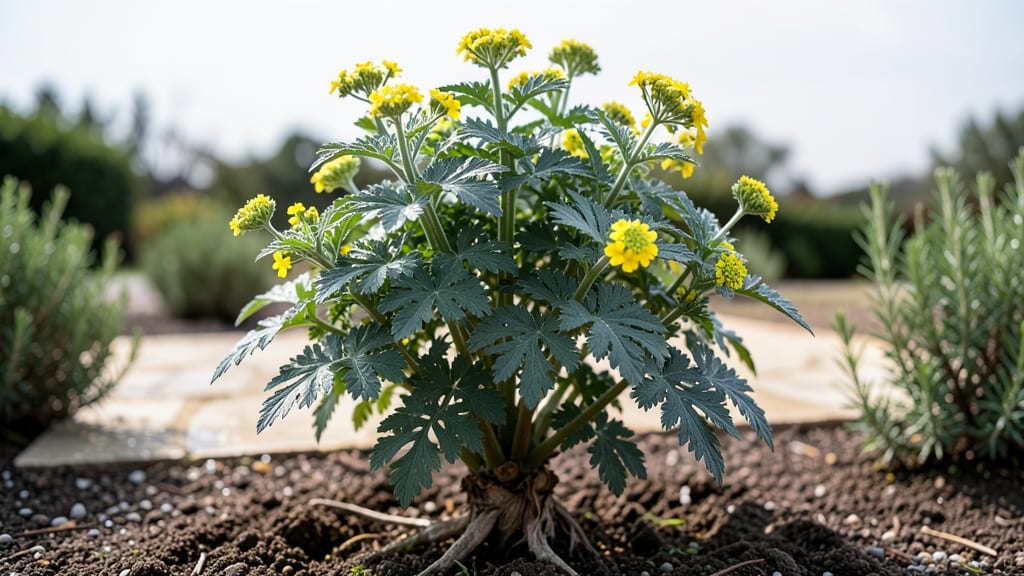
If you're wondering how tall does rue grow, you're not alone—this versatile herb can surprise you with its size, ranging from a neat 1-foot bush to a towering 3-foot specimen.
Rue (Ruta graveolens) isn't just about height; it's also about how you shape it in your garden or container. Whether you're growing it for its lemony aroma, culinary uses, or even as an ornamental plant, understanding its growth habits is key to keeping it thriving.
Most gardeners expect rue to stay compact, but without proper care, it can easily outgrow its space. The good news? With the right spacing and pruning techniques, you can control its height and encourage a fuller, bushier plant.
This isn't just about aesthetics—it's about maximizing your harvest and keeping your garden organized. Let's break down what influences rue's height and how you can manage it like a pro.
From dwarf varieties that stay under 2 feet to standard types reaching 3 feet, rue's size depends on your climate, soil, and how aggressively you prune. In USDA Zone 6a, where spring planting is ideal, rue thrives in full sun but can become leggy if crowded.
The secret to keeping it at your desired height lies in timing—prune in early spring or after flowering to promote bushier growth without sacrificing its signature citrusy scent.
Ready to transform your garden? I'll show you exactly how to space, prune, and maintain rue so it stays the perfect size for your needs—whether that's a small pot on your windowsill or a lush border in your herb garden. Let's get started!

Rue plant height by variety: dwarf vs giant growth charts
When planning your garden layout, knowing how tall rue (Ruta graveolens) grows is essential—because this versatile perennial can dramatically vary in height based on its variety and growing conditions.
While most gardeners grow the standard rue reaching 2-3 feet, some rare cultivars can stretch up to 5 feet under ideal conditions. Let’s explore the height ranges and growth habits of common rue varieties to help you choose the perfect fit for your space.
Rue typically grows as a semi-woody shrub with a bushy, multi-stemmed structure. Its height isn’t the only factor—spread matters too, as mature plants can reach 2-3 feet wide.
Understanding these dimensions helps you avoid overcrowding and ensures your rue thrives in containers, borders, or herb spirals. Below, we’ll compare the most popular varieties and their growth characteristics.
| Variety | Mature Height | Growth Habit | Best For |
|---|---|---|---|
| Standard Rue (Ruta graveolens) | 2-3 feet | Bushy, upright | Herb gardens, borders |
| Dwarf Rue ('Jackman's Blue') | 12-18 inches | Compact, rounded | Containers, windowsills |
| Giant Rue (Ruta chalepensis) | 3-5 feet | Tall, sprawling | Wildflower meadows, large borders |
| Variegated Rue | 18-24 inches | Bushy, variegated leaves | Ornamental beds, mixed planters |
| Rue 'Alba' (White Flowering) | 2-3 feet | Upright, flowering | Pollinator gardens, cottage gardens |
If you’re growing rue for its medicinal properties or culinary uses, the standard variety is your best bet—its 2-3 foot height makes it easy to harvest while leaving room for other plants.
For container gardening, dwarf varieties like 'Jackman's Blue' are ideal, as they stay under 18 inches and fit perfectly on patios or balconies. Meanwhile, giant rue varieties like Ruta chalepensis are better suited for wild or naturalized areas where height isn’t a concern.
Climate plays a huge role in rue’s height. In warmer USDA zones (8-10), rue can grow taller and bushier, while in cooler zones (5-7), it may stay shorter and more compact.
Providing well-draining soil and full sun exposure encourages optimal growth, but even in less-than-ideal conditions, rue remains a resilient plant. If you’re in a drought-prone area, expect slightly shorter growth due to water stress.
For gardeners who love ornamental foliage, variegated rue is a stunning choice—its 18-24 inch height and colorful leaves add visual interest without overwhelming smaller gardens. Meanwhile, the white-flowering 'Alba' variety attracts pollinators and adds a delicate touch to cottage-style gardens.
Whether you prioritize height, spread, or ornamental value, there’s a rue variety to match your vision.
One common misconception is that rue grows like a single-stemmed plant. In reality, it’s a multi-stemmed shrub, which means it naturally branches out. This habit makes it perfect for hedging or as a background plant in herb spirals.
If you’re growing rue in a formal garden, regular pruning can help maintain a neater appearance while keeping its height in check.
For those growing rue in containers, expect slightly shorter growth—typically 12-24 inches—due to root restriction. However, container-grown rue still benefits from regular pruning to encourage bushier growth.
If you’re using rue as a living border, space plants 18-24 inches apart to allow for their mature spread while keeping the overall look tidy.
If you’re curious about how fast rue grows, expect 1-2 feet of growth per year under ideal conditions. In its first year, rue may only reach 12-18 inches, but by year two, it can double in height.
This gradual growth makes it easier to plan your garden layout without rushing to accommodate its mature size. For faster growth, ensure your rue gets 6+ hours of sunlight and well-draining soil—these two factors are non-negotiable for maximizing its potential.
Rue’s height isn’t just about aesthetics—it also affects its harvestability. Taller plants yield more leaves, but if you’re growing rue for culinary or medicinal purposes, focus on harvesting leaves from the lower branches to encourage new growth.
Regular pruning after harvests keeps the plant compact and productive while preventing it from becoming too leggy.
🌿
Proper spacing rules for rue plants to prevent overcrowding
When planning your rue garden, spacing is just as important as sunlight. Rue plants can become crowded quickly, leading to weak stems and poor air circulation. Whether you're planting in-ground or containers, proper spacing ensures each plant gets the nutrients and airflow it needs to thrive.
Most rue varieties need at least 12 inches between plants. However, if you're growing taller cultivars or in rich soil, increase spacing to 18-24 inches to prevent competition. This extra room allows roots to spread and reduces the risk of disease.
For container gardening, choose pots that are at least 12 inches wide and deep. Rue in containers grows slightly shorter but benefits from well-draining soil and regular pruning to maintain shape.
🌱 Spacing Rules for Rue Plants
- Dwarf varieties: 12 inches apart
- Standard varieties: 18 inches apart
- Tall/giant varieties: 24 inches apart
- Raised beds: 12-18 inches apart (depends on bed width)
- Containers: 1 plant per 12-inch pot
- Row spacing: 24 inches for in-ground planting
In raised beds, rue thrives with 12-18 inches of space between plants. This setup maximizes vertical growth while keeping leaves exposed to sunlight. If your bed is narrow, opt for dwarf varieties to avoid overcrowding.
Overcrowding can lead to pests like aphids or fungal issues. Always thin seedlings early to give mature plants room to breathe. If you notice leggy growth, it’s a sign your plants need more space or sunlight.
For a bushier appearance, prune regularly and space plants closer to 12 inches. However, if you prefer taller stems, increase spacing to 24 inches and avoid heavy pruning.