
Trees
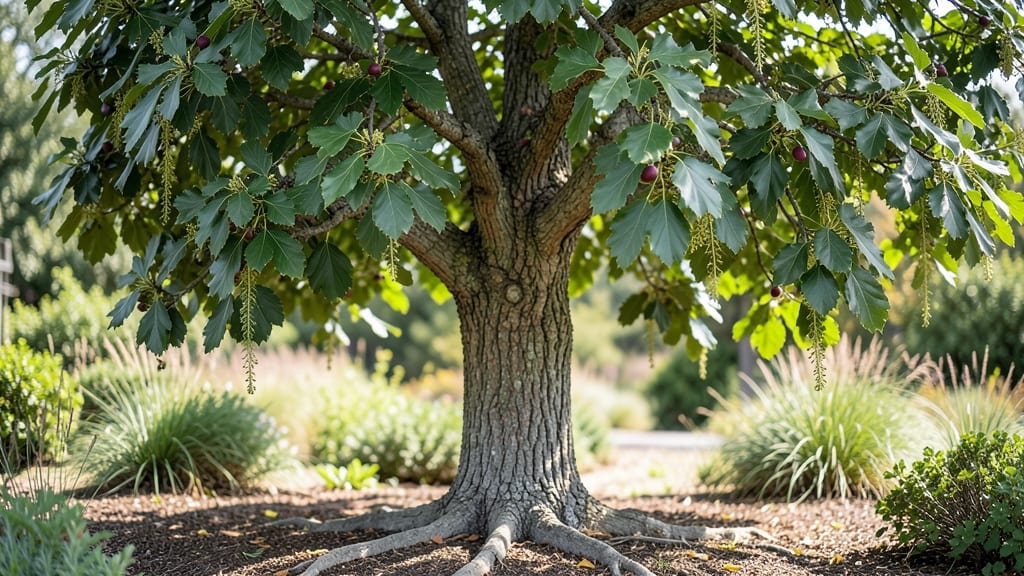
If you're eyeing a hackberry tree 🌳 for your landscape, you might wonder how tall do hackberry trees grow—and the answer might surprise you. These trees can stretch from 30 to 60 feet tall, depending on the variety and growing conditions.
That’s taller than a three-story building! Whether you're planning an urban garden or a rural property, understanding their growth potential is the key to making space work for you.
Not all hackberry trees reach the same height, though. Common varieties like the sugarberry and common hackberry tend to lean toward the upper end of the spectrum, while environmental factors like soil quality and sunlight can influence how much they grow.
The good news? With the right care, you can manage their height and keep them thriving in your outdoor space.
What makes hackberry trees so appealing is their adaptability. They thrive in USDA Zone 6a and beyond, making them a great choice for spring planting in areas like yours.
But before you dig in, it’s worth knowing how to control their growth—whether through strategic pruning or choosing a variety that fits your space better.
In this guide, I’ll break down everything you need to know about hackberry tree height, from variety-specific growth ranges to practical tips for keeping them at your desired size. Let’s get started!

Hackberry tree height by variety: mature size ranges you must know
Hackberry trees (Celtis spp.) are fast-growing deciduous trees that can dramatically transform your landscape—but their mature height varies wildly depending on the variety. If you're planning to plant one, knowing these height ranges will help you choose the right type for your space.
Most hackberry trees reach 30 to 60 feet at maturity, but some varieties stay significantly shorter, making them ideal for smaller yards.
The common hackberry (Celtis occidentalis) is the most widely planted variety and typically grows between 40 and 60 feet tall. This makes it a towering choice for large properties or urban forests, where its sprawling branches and dense canopy provide ample shade.
Meanwhile, the sugar hackberry (Celtis laevigata) tends to be slightly shorter, usually maxing out around 50 feet, but it’s still a substantial tree that requires ample space.
One of the most exciting varieties for smaller spaces is the dwarf hackberry, though true dwarf cultivars are rare. Some cultivated forms or grafted varieties can stay under 20 feet, making them perfect for urban gardens or as street trees.
However, even these smaller types may still grow taller over time, so always check the specific nursery’s claims before planting.
Here’s a quick breakdown of how these varieties compare in height and growth habits:
| Variety | Mature Height Range | Growth Rate | Best For |
|---|---|---|---|
| Common Hackberry | 40–60 ft | Fast (3–5 ft/year) | Large yards, shade trees |
| Sugar Hackberry | 35–50 ft | Moderate (2–4 ft/year) | Urban landscapes, parks |
| Dwarf Cultivars (e.g., 'Alliance') | 15–25 ft | Slow to moderate | Small yards, containers |
| Weeping Hackberry | 25–40 ft | Moderate (1–3 ft/year) | Ornamental planting, focal points |
When choosing a hackberry tree, consider not just its height but also its canopy spread, which can be nearly as wide as it is tall. For example, a common hackberry might spread 30 to 40 feet, while dwarf varieties stay more compact at 10 to 15 feet.
This spread is crucial for avoiding overcrowding with nearby structures, power lines, or other plants.
If you’re planting near a house or driveway, opt for a dwarf variety or plan for regular pruning to keep the tree manageable. Even standard varieties can be pruned to control height, though they’ll still eventually reach their full potential if left unchecked.
Always check local municipal codes before planting near sidewalks or roads, as some areas regulate tree height for safety reasons.
Another factor to consider is the growth rate. Hackberry trees are known for their rapid growth, especially in the first 5 to 10 years.
A young tree might grow 3 to 5 feet per year, so if you’re working with limited space, starting with a smaller variety or a younger tree can give you more time to enjoy it before it outgrows its surroundings.
For urban gardeners, the weeping hackberry is a stunning choice, offering a graceful, arching form that stays under 40 feet tall. Its pendulous branches create a dramatic focal point without overwhelming smaller yards.
Pair it with perennials or shrubs that thrive in its dappled shade for a layered, low-maintenance landscape.
Before you plant, measure your space and visualize how the tree will look at maturity. Use a string line or measuring tape to mark the tree’s future canopy to ensure it won’t block sunlight from neighboring plants or encroach on walkways.
Remember, hackberry trees are long-lived, often reaching 100 years or more, so choosing the right variety for your space is a decision that will pay off for decades.
🌳
Factors that influence how tall a hackberry tree grows
Hackberry trees (Celtis spp.) are fast growers, but their mature height isn’t set in stone—it depends on several key factors. From your climate zone to your soil conditions, each element plays a role in how towering (or manageable) your tree becomes.
Understanding these variables helps you plan for the right space and care routine.
First, sunlight exposure is critical. Hackberries thrive in full sun (6+ hours daily), but in shadier conditions, they may grow slower and stay shorter. If your yard only gets partial sun, expect a 10-20% reduction in mature height compared to ideal conditions.
Soil quality also impacts growth dramatically. Well-draining, slightly acidic to neutral soil (pH 6.0-7.5) encourages rapid vertical growth. Poor, waterlogged, or alkaline soil can stunt root development, limiting height gains. Always test your soil before planting!
🌱 Key Factors Affecting Hackberry Tree Height
- 🌞 Sunlight: Full sun (6+ hours) = max height; partial sun = shorter growth
- 🌍 Climate Zone: Warmer zones (USDA 6-9) = faster growth; cooler zones = slower
- 💧 Water Availability: Consistent moisture = taller; drought stress = stunted
- 🌱 Soil Type: Well-draining, fertile soil = rapid growth; poor soil = slower
- ✂️ Pruning Habits: Regular pruning = controlled height; no pruning = wild growth
Your local climate zone is another game-changer. Hackberries grow fastest in USDA Zones 6-9, where they can add 3-5 feet per year in ideal conditions. In cooler zones (like Zone 5), growth slows to 1-2 feet annually, delaying their towering potential.
Don’t overlook watering practices, either. Young hackberries need deep, consistent watering to establish strong roots for future height gains. Once established, they’re drought-tolerant but may grow shorter if water-stressed. Mulching helps retain moisture and encourages vertical growth.
Finally, root competition from nearby trees or structures can limit a hackberry’s height. If planted too close to sidewalks, fences, or other trees, its roots may struggle for nutrients, keeping it shorter than its full potential. Always give it 30-50 feet of clearance for optimal growth.
By tweaking these factors—especially sunlight, soil, and pruning—you can steer your hackberry toward your desired height, whether you want a tall shade provider or a more compact specimen. The key is consistency in care! 🌳