
How To
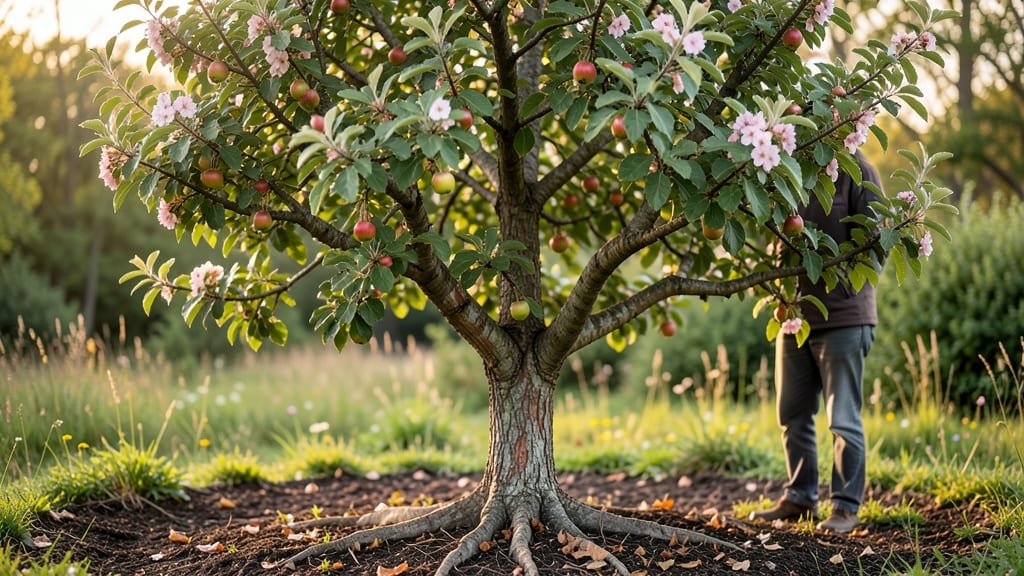
Wondering "how tall does a crab apple tree grow" before planting one in your yard? These trees can reach anywhere from 15 to 25 feet at maturity, but some fast-growing varieties stay much shorter—making them perfect for smaller spaces.
If you're dreaming of a stunning 🍎 crab apple tree that adds beauty and wildlife benefits to your landscape, understanding their growth habits is key. Some varieties, like 'Adams' or 'Dolgo,' grow faster than others, while dwarf options can be pruned to stay under 12 feet—ideal for urban gardens.
Whether you're planning a privacy screen, a shade provider, or just an ornamental focal point, choosing the right size matters. I’ll break down the fastest-growing varieties, how to control their height naturally, and the best spots to plant them for optimal growth in your climate.
Let’s dive into the details so you can pick the perfect crab apple tree for your space—without worrying about it outgrowing your plans!

Crab apple tree height ranges by variety: fastest-growing options for small yards
Crab apple trees are prized for their vibrant foliage, ornamental fruit, and low-maintenance care. But if you're planning your landscape, knowing their mature height is crucial.
Most varieties reach 15 to 25 feet, but some dwarf and semi-dwarf options stay compact—perfect for smaller yards or urban gardens.
Your yard size and intended use will determine which variety suits you best. For example, the 'Sentinel' crab apple tops out at 12 to 15 feet, making it ideal for tight spaces, while the 'Adams' variety can grow 20 to 25 feet, offering dramatic height for larger properties.
Here’s a quick comparison of popular varieties and their mature heights to help you decide:
| Variety | Mature Height (ft) | Growth Rate | Best For |
|---|---|---|---|
| 'Sentinel' | 12–15 ft | Moderate | Small yards, urban landscapes |
| 'Dolgo' | 15–20 ft | Fast | Privacy screens, wildlife habitats |
| 'Adams' | 20–25 ft | Moderate | Large yards, focal points |
| 'Centennial' | 20–25 ft | Slow to moderate | Shade trees, long-term landscapes |
| 'Royalty' | 15–20 ft | Fast | Colorful fruit, small to medium yards |
The 'Sentinel' and 'Royalty' varieties are excellent choices if you’re working with limited space. Their compact stature ensures they won’t overwhelm your garden while still delivering stunning spring blooms and fall color. Meanwhile, the 'Adams' and 'Centennial' varieties are better suited for larger properties where height isn’t a concern.
When selecting a variety, also consider its growth rate. Fast-growing options like 'Dolgo' can add 3 to 5 feet per year in ideal conditions, while slower growers like 'Centennial' take 5 to 7 years to reach maturity. This difference impacts how quickly your landscape will fill in.
Another key factor is the tree’s spread. Most crab apple trees have a rounded canopy that’s roughly 1.5 to 2 times their height. For example, a 20-foot-tall tree may spread 30 to 40 feet wide. Always check the spacing recommendations for your chosen variety to avoid future overcrowding.
If you’re planting near a house, fence, or driveway, opt for a dwarf or semi-dwarf variety. These stay well below 15 feet and are easier to manage with regular pruning.
Just be sure to plant them at least 6 to 8 feet away from structures to allow for airflow and future growth.
For wildlife enthusiasts, the 'Dolgo' and 'Royalty' varieties are top picks. Their abundant fruit production attracts birds and small mammals, turning your yard into a year-round food source. Plus, their bright red or orange fruit adds a pop of color that lasts well into winter.
Before purchasing, verify the mature height and growth habit of your chosen variety. Some nurseries may list container sizes that don’t reflect the tree’s ultimate size. Always ask for grafted varieties if you want to ensure consistent growth patterns.
Once planted, give your crab apple tree full sun exposure and well-draining soil to encourage healthy growth. With the right variety and care, you’ll enjoy a beautiful, low-maintenance tree that fits perfectly in your landscape design. 🌳
How to choose the right crab apple tree size for your landscape design
Selecting the perfect crab apple tree size depends on your yard’s dimensions and intended use.
For example, a standard variety like 'Royalty' can reach 20-25 feet, making it ideal for large properties or privacy screens, while a dwarf variety like 'Sentinel' stays under 12 feet, perfect for small urban gardens or container planting.
If you’re using your tree as a shade provider, opt for semi-dwarf varieties (12-18 feet) to balance coverage and space. For a wildlife-friendly focal point, taller varieties attract birds and pollinators, but ensure you have enough clearance from power lines and structures.
Always measure your space before planting—crab apple trees need room to grow without crowding other plants or walkways.
🌳
| Variety | Mature Height | Best For | Spacing Needs |
|---|---|---|---|
| Adams | 15-20 ft | Privacy screens, large yards | 15-20 ft from structures |
| Dolgo | 12-15 ft | Medium yards, shade | 10-12 ft from structures |
| Sentinel | 8-12 ft | Small yards, containers | 8-10 ft from structures |
| Royalty | 20-25 ft | Large properties, wildlife | 20-25 ft from structures |
Sunlight exposure also plays a critical role in tree height. Most crab apple varieties thrive in full sun (6+ hours daily), but some, like 'Dolgo,' tolerate partial shade, which can slightly limit their growth.
If your yard has limited sunlight, consider a dwarf variety to avoid disappointment—these trees grow slower in low-light conditions.
For urban gardens or tight spaces, container planting is an option. Choose a dwarf variety like 'Sentinel' and ensure your pot is at least 24 inches deep with drainage holes. Place it in a sunny spot and water deeply every 5-7 days to mimic outdoor growing conditions.
Just remember, container-grown trees may need annual pruning to control height and encourage bushier growth.
Finally, consider your long-term maintenance goals. Taller varieties require more frequent pruning to remove dead branches or shape the tree, while dwarf varieties need less upkeep but may still benefit from seasonal trimming to maintain their compact form.
Plan ahead by sketching your yard layout and marking where the tree will fit best—this ensures your crab apple tree enhances your space without becoming a nuisance.
🪴