
How To
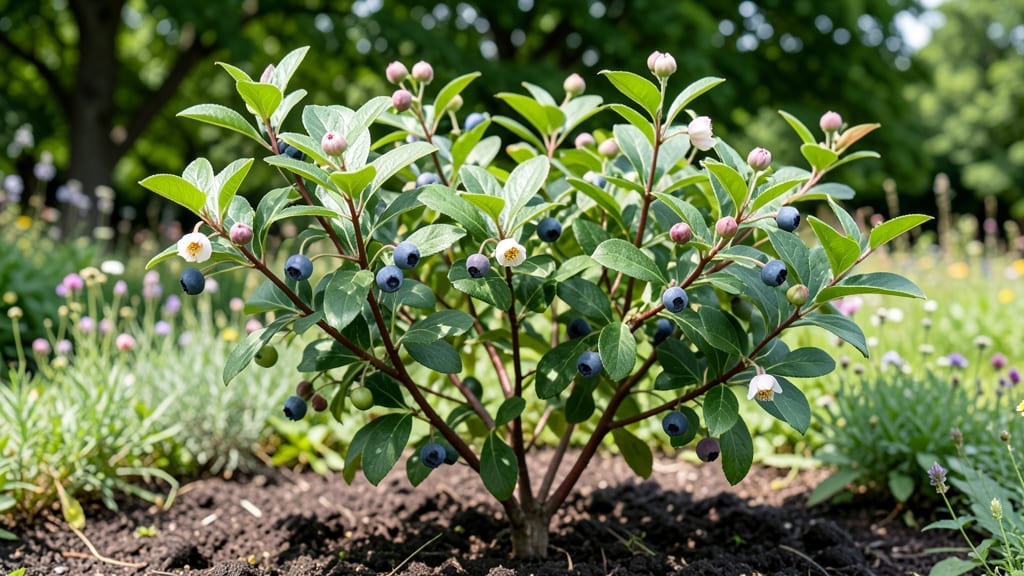
If you’ve ever wondered how tall do highbush blueberries grow before committing to planting, the answer might surprise you—especially if space is limited. These 🫐 shrubs can stretch from a compact 3 feet to towering 12 feet, depending on the variety and care.
That means your dream blueberry bushes could end up taller than you expected—or perfectly sized for a small garden with the right approach.
For gardeners in USDA Zone 6a, where early spring planting sets the stage for summer harvests, choosing the right cultivar is key. Some varieties stay under 5 feet, ideal for containers or tight spaces, while others reach 8–12 feet if left unchecked.
The good news? Pruning and spacing can turn a sprawling shrub into a manageable, productive plant—without sacrificing those juicy berries.
Whether you’re eyeing a small garden or a backyard corner, understanding these growth patterns helps you plan for success. From dwarf varieties that fit on a patio to standard shrubs that thrive in larger plots, the options are as varied as the flavors of ripe blueberries.
Let’s break down exactly what to expect—and how to keep your bushes in check.
Ready to grow? Discover the best varieties for your space, pruning tips to control height, and how to maximize yields—no matter how much (or little) room you have. Your blueberry patch could be smaller, sweeter, and easier to care for than you think!

Highbush blueberry height by variety: exact growth ranges for small gardens
When planning your highbush blueberry garden, knowing the exact mature height of each variety helps you maximize space while ensuring healthy growth. Most highbush blueberries reach 6 to 12 feet at maturity, but some varieties stay compact—ideal for small yards or containers.
The key is choosing the right cultivar for your space and pruning habits.
For example, 'Duke' and 'Bluecrop' are popular standard varieties that can tower up to 10–12 feet, while dwarf varieties like 'Top Hat' max out at just 3–5 feet. Understanding these differences ensures you don’t end up with a blueberry bush that outgrows your garden—or your pruners!
Here’s a quick reference for highbush blueberry height by variety, including growth habits and spacing recommendations:
| Variety | Mature Height | Growth Habit | Spacing Needs |
|---|---|---|---|
| Duke | 8–12 ft | Upright, vigorous | 6–8 ft apart |
| Bluecrop | 6–10 ft | Bushy, spreading | 5–6 ft apart |
| Jersey | 5–8 ft | Compact, upright | 4–5 ft apart |
| Top Hat (Dwarf) | 3–5 ft | Bushy, low-growing | 3–4 ft apart |
| Patriot | 6–9 ft | Semi-upright | 5–6 ft apart |
*Height ranges are for unpruned plants; regular pruning can reduce size by 20–30%.
If you’re working with limited space, dwarf varieties like 'Top Hat' or 'Sunshine Blue' are game-changers. These stay under 5 feet tall and wide, making them perfect for containers or small urban gardens. Even standard varieties can be managed with pruning—I’ll cover that in the next section!
Another factor to consider is growth rate. Highbush blueberries grow 1–2 feet per year in their first few years, then slow to 6–12 inches annually once mature. This gradual growth gives you time to adjust spacing or pruning strategies as your plants develop.
For small gardens, I recommend planting 2–3 bushes of compatible varieties (e.g., 'Bluecrop' + 'Patriot') to ensure cross-pollination. Space them 4–6 feet apart to allow airflow and easier harvesting. If you’re growing in containers, opt for dwarf varieties and use 5-gallon pots with drainage holes.
Pro tip: If you love blueberry pies but hate tall bushes, try espalier training. This method trains blueberries to grow flat against a fence or trellis, reducing their footprint by up to 50% while keeping them productive.
It’s a fantastic way to grow 6-foot-tall bushes in a 3-foot-wide space!
One common mistake is assuming all highbush blueberries grow the same height. 'Duke', for example, can reach 12 feet if left unpruned, while 'Top Hat' stays under 4 feet. Always check the variety’s tag or description before purchasing to avoid surprises.
For urban gardeners, consider patio-friendly varieties like 'Pink Lemonade' (a blueberry with pink berries) or 'O’Neal', which stays compact yet productive. These are ideal for balconies or rooftop gardens where space is at a premium.
Remember, the height of your blueberry bushes directly impacts harvesting ease and garden layout. A 10-foot bush might yield more berries, but a 4-foot dwarf could be easier to maintain—and just as rewarding with the right care!
How to control highbush blueberry height: pruning tips for compact growth
Pruning is your secret weapon for keeping highbush blueberries at a manageable height. Without regular pruning, these shrubs can easily reach 8-12 feet, towering over most backyard spaces.
The good news? With the right techniques, you can maintain a 4-6 foot height—perfect for small gardens or container growing—while boosting fruit production.
Timing is everything when pruning blueberries. I always recommend late winter or early spring (just before new growth begins) for major pruning. This gives your plant time to heal before summer heat arrives.
For lighter maintenance, you can also prune in summer after harvest to shape the plant and remove any dead or crossing branches.
Here’s my step-by-step approach to pruning for compact growth:
Start by cutting out any dead, diseased, or broken branches using clean, sharp pruners. These branches won’t produce fruit and can harbor pests. Look for branches that are brown inside or have no leaves.
Focus on removing branches that cross or rub against each other. Aim to create an open center that allows sunlight and air to reach the inner branches. This reduces disease risk and encourages fruit-bearing wood to develop.
To keep your blueberry bush compact, cut back the tallest branches by about 1/3 of their length. For example, if a branch is 6 feet tall, trim it to 4 feet. Always cut just above a bud or side branch to encourage new growth.
Encourage a multi-stemmed, bushy shape by pruning back some of the oldest wood. Blueberries produce fruit on wood that’s 2-5 years old, so removing very old branches (over 5 years) makes room for younger, productive branches.
After harvest, do a light pruning to remove any suckers (shoots growing from the base) or water sprouts (vertical shoots). These compete with your main branches for nutrients. Use your fingers or small pruners for precision.
Pro tip: Always sterilize your pruners with rubbing alcohol between cuts to prevent the spread of disease. And remember, blueberries hate being root-bound, so if you’re growing them in containers, prune more aggressively to keep the root system in check.
With consistent pruning, you can enjoy harvests without the headache of a 10-foot-tall shrub. Plus, a well-pruned blueberry bush is easier to harvest from—no more bending over or climbing ladders! 🪴