
How To
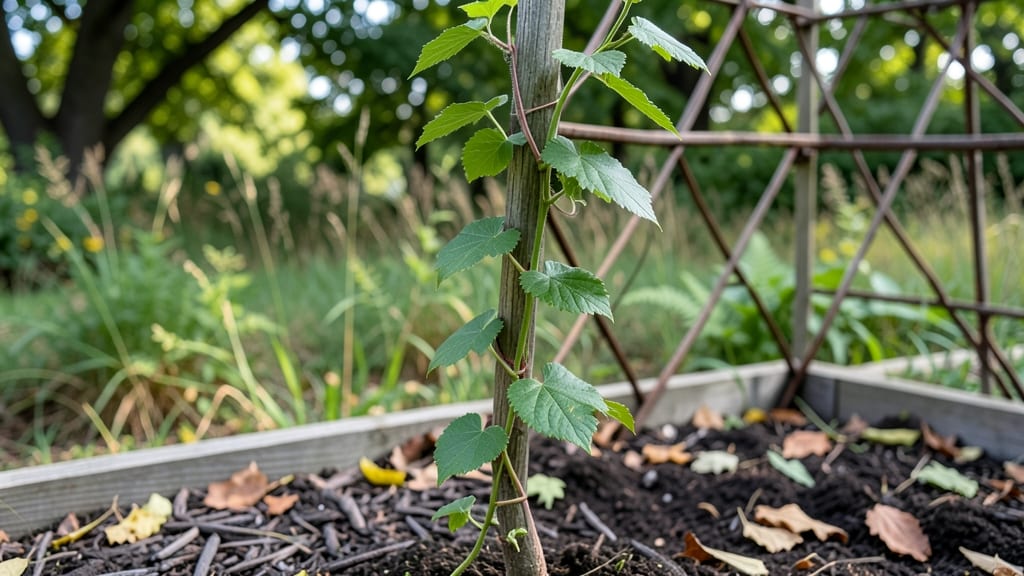
Wondering how tall do hops grow first year and whether your backyard can handle these powerhouse vines? The answer might surprise you—because those 🌿 hops you planted in spring could reach heights you didn’t expect by summer’s end.
Most first-year hops climb between 10 to 15 feet, but some aggressive varieties like Willamette can stretch up to 20+ feet with the right care. That means your trellis better be sturdy, because these vines grow fast and don’t play around.
What you’ll learn here is how to set up your hops for success—from choosing the right variety to spacing and support. We’ll also cover the 5 key factors that can make or break their growth, so you’re not left scrambling when those vines start reaching for the sky.
Whether you’re a first-time gardener or looking to optimize your hop yard, this guide will help you manage those towering plants like a pro—no broken trellises required.

First-year hop growth by variety: expected heights and fastest climbers
When you plant hops for the first time, you might expect those fast-growing vines to shoot up like weeds—but the reality varies wildly by variety. Some hops will surprise you with 20-foot bines in just one season, while others stay more modest.
The key is understanding your hop's genetic growth potential and how it translates to first-year performance.
Most home gardeners focus on aromatic varieties like Cascade or Centennial, which are popular for brewing. These typically reach 10-15 feet in their first year, but with ideal conditions, they can push 18 feet or taller.
Meanwhile, dual-purpose varieties like Willamette are known for aggressive growth, often exceeding 20 feet by late summer.
Pro tip: If you're growing hops for homebrew, check the variety's mature height—this gives you the best clue about first-year potential. For example, Fuggle hops (a classic English variety) usually max out around 12-15 feet in year one, while Amarillo can stretch 15-20 feet under optimal conditions.
Here’s what you can expect from some of the most popular hop varieties in their first growing season:
The fastest climbers in the first year are often dual-purpose varieties like Willamette or Chinook, which can grow 3-5 feet per month under ideal conditions. If you're growing these, plan for a 16-20 foot trellis from the start—otherwise, you'll risk broken bines or vines sprawling across your yard.
For slower-growing varieties like Fuggle or Amarillo, a 12-foot trellis is usually sufficient, but don’t assume these won’t surprise you. With perfect conditions—full sun, rich soil, and consistent watering—even "modest" varieties can stretch beyond expectations.
One common mistake I see is assuming all hops grow the same way. Genetics matter more than you think: Fuggle might stay at 10 feet, while a Willamette from the same garden could hit 20 feet.
The difference comes down to the variety’s growth habit and how aggressively it sends up primary bines in year one.
If you're growing multiple varieties, space them at least 3 feet apart to avoid competition. This gives each plant room to reach its full potential without struggling for sunlight or nutrients. Overcrowding is a surefire way to stunt growth and invite pests.
🌿
How spacing and trellis support affect first-year hop growth
When planning your hop garden, spacing and trellis height are two of the most critical factors influencing first-year growth. Hops are aggressive climbers, but without proper support, their bines (vines) can become tangled, break under their own weight, or grow unevenly.
Even the fastest-growing varieties like Willamette or Cascade need the right foundation to reach their full potential.
Most gardeners underestimate how much vertical space hops need in their first year. While mature plants can climb 18-25 feet, even young hops will send out 6-12 foot vines if given ideal conditions.
Skipping a tall enough trellis can lead to frustrated gardeners watching their plants sprawl across the ground instead of soaring upward.
Here’s the golden rule: Plant hops 3-6 feet apart in rows spaced 6-8 feet apart. This spacing gives roots room to establish while allowing each plant to climb its own trellis without competing for support.
For dwarf varieties (though rare), you might reduce spacing to 2-3 feet, but standard varieties need the extra room.
| Spacing | Trellis Height | First-Year Growth Impact |
|---|---|---|
| 3-6 ft apart | 12-16 ft | Encourages vertical growth and cone development |
| 6-8 ft apart | 16-20 ft | Ideal for aggressive climbers like Willamette |
| Less than 3 ft | Under 12 ft | Leads to overcrowding and disease risk |
Your trellis isn’t just about height—it’s about structure. Hops need a sturdy frame (like a T-bar trellis or string trellis) to distribute weight evenly.
If your trellis sags or bends under the weight of a 10-foot vine in its first year, you’ll end up with broken bines and frustrated plants. I’ve seen gardeners use PVC pipes or metal cages for smaller varieties, but for most hops, a 12-foot minimum is non-negotiable.
Another common mistake? Planting too close to fences or walls. Hops will climb anything—even your neighbor’s property—if given the chance. Always leave at least 3 feet of clearance behind your trellis to avoid legal (or diplomatic) issues down the line.
Pro tip: Use landscape fabric at the base of your trellis to prevent weeds from competing with your hops for nutrients.
If you’re growing hops in containers, expect even more aggressive growth in the first year. Container-grown hops can climb up to 15 feet if given enough support, but they’ll also outgrow their pots quickly. Choose a 5-gallon minimum container and upgrade to 10+ gallons by year two.
Without proper root space, your hops will focus energy on vine growth over cone production, leaving you with long, leggy plants and few harvestable cones.
Finally, don’t forget to train your hops early. Once your vines reach 3-4 feet tall, gently tie them to the trellis with soft plant ties or jute twine.
This prevents wind damage and encourages upward growth. Skipping this step can result in sprawling vines that struggle to climb, even on a tall trellis.