
Plants
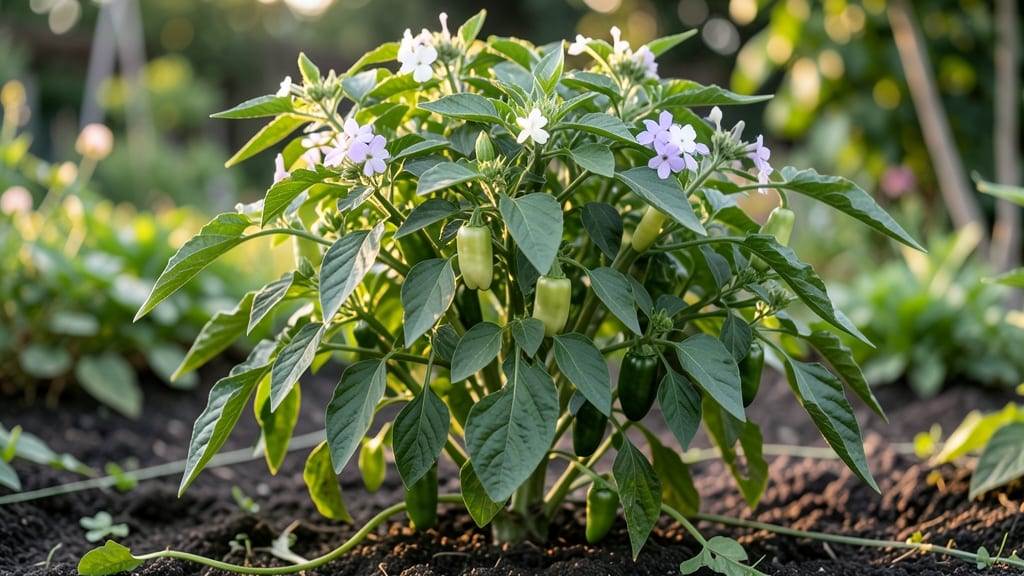
If you’ve ever wondered how tall do jalapeño plants grow, the answer might surprise you—these fiery little 🌶️ plants can easily reach 3 to 4 feet tall if left unchecked, making them perfect for both small gardens and larger plots.
But here’s the catch: their height depends on more than just genetics. Variety plays a big role—some stay compact at 2 to 3 feet, while others stretch toward the sky.
Sunlight, pruning, and even container size can tweak their growth, so knowing these factors is your secret weapon for a thriving harvest.
Whether you’re squeezing them into a balcony garden or spacing them out in a raised bed, managing their height isn’t just about aesthetics—it’s about maximizing those spicy peppers. I’ll break down the exact heights by variety and share pro tips to keep them productive without taking over your space.
Ready to grow jalapeños that fit your garden and your goals? Let’s dive into the details so you can plan like a pro.

Jalapeno plant height by variety: exact measurements and growth habits
Jalapeno plants typically reach a mature height of 2 to 4 feet, but their exact size depends on the variety and growing conditions. Most home gardeners find these medium-sized plants perfect for small gardens or containers, though some varieties can stretch taller if left unchecked.
Understanding these height ranges helps you plan spacing, pruning, and even companion planting for a thriving harvest.
For example, the Early Jalapeño variety stays compact at 2 to 3 feet, making it ideal for container gardening or tight spaces. In contrast, Big Jim jalapenos can grow up to 4 feet tall with robust vines, requiring more room to sprawl.
Even within the same variety, factors like sunlight exposure, soil fertility, and pruning can influence how tall your plants become.
Here’s a quick reference for the most popular jalapeno varieties and their typical growth habits:
If you’re growing jalapenos in containers, opt for bushier varieties like Early Jalapeño to avoid overcrowding. A 5-gallon pot is ideal for one plant, allowing roots to spread without competition. For in-ground planting, follow the spacing guidelines above to prevent shading and disease from poor airflow.
Jalapenos with a vining habit, like Big Jim, benefit from trellising or caging to save space and direct energy toward fruit production. Without support, these varieties may sprawl up to 5 feet wide, reducing yield and making harvests harder to reach.
I’ve found that training vines upward with bamboo stakes or wire cages keeps plants manageable while boosting productivity.
Another factor affecting height is pruning. Regularly pinching back the tips of young plants encourages bushier growth, which can reduce overall height by 10–20%. This technique is especially useful for container growers or those with limited garden space.
Just avoid heavy pruning once flowering begins, as it can stress the plant and reduce fruit set.
For companion planting, keep jalapenos near basil or marigolds to deter pests and improve growth. However, avoid planting them too close to fennel or brassicas, which can stunt their development.
Proper spacing—especially between taller varieties—ensures each plant gets the sunlight and nutrients it needs to reach its full potential height.
In my own garden, I’ve noticed that organic matter-rich soil and consistent moisture help jalapenos grow taller and stronger. Overwatering or nutrient deficiencies, however, can lead to leggy, weak plants that struggle to support their own weight.
Always aim for well-draining soil with a pH of 6.0–7.0 to encourage healthy, compact growth.
🌱
How to control jalapeno plant height for optimal yield and space efficiency
Managing jalapeno plant height is all about balancing growth and fruit production. These peppers naturally reach 2 to 4 feet tall, but with the right techniques, you can keep them compact or encourage vertical growth for your space.
The key is understanding when and how to intervene without stressing the plant.
For container growers, height control is especially critical since space is limited. A 5-gallon pot might only support a 2-foot-tall jalapeno, while in-ground plants can stretch taller if left unchecked. Pruning and trellising are your best tools to shape growth while maximizing harvests.
Here’s how to manage height effectively without sacrificing yield:
- Prune for compact growth: Pinch back top growth when plants reach 18-24 inches to encourage bushier habits. Focus on removing suction shoots (side stems) to redirect energy to fruit production.
- Use trellises for vertical growth: Install a 3-foot-tall trellis early to train vines upward. This saves space and improves airflow, reducing disease risk. Tie stems with soft plant ties every 6-8 inches.
- Container gardening hacks: Choose deep containers (12+ inches) to support root growth. If space is tight, opt for dwarf varieties like 'Mini Jalapeño,' which max out at 2 feet.
- Fertilize strategically: Over-fertilizing with nitrogen promotes leafy growth over fruit. Use a balanced 10-10-10 fertilizer every 4-6 weeks and reduce amounts as harvest season approaches.
- Harvest regularly: Removing ripe peppers signals the plant to produce more, preventing it from diverting energy into excessive height. Aim to harvest every 3-5 days during peak season.
One common mistake is pruning too aggressively, which can stunt fruit production. Always leave at least 3-4 main stems to ensure the plant has enough energy to bear peppers. For trellised plants, prune lower leaves to improve airflow but avoid cutting into the main stem.
If your jalapenos are already too tall, don’t panic—focus on harvesting peppers early and redirecting growth with pruning. With practice, you’ll find the sweet spot between height management and yield for your garden setup.
For container growers, height control is especially critical since space is limited. A 5-gallon pot might only support a 2-foot-tall jalapeno, while in-ground plants can stretch taller if left unchecked. Pruning and trellising are your best tools to shape growth while maximizing harvests.
Remember, jalapenos thrive on consistency. Whether you’re pruning, trellising, or fertilizing, always follow the plant’s natural growth cues. The goal is to work with the plant, not against it—so your spicy harvests stay plentiful and your garden stays organized! 🌿