
Trees
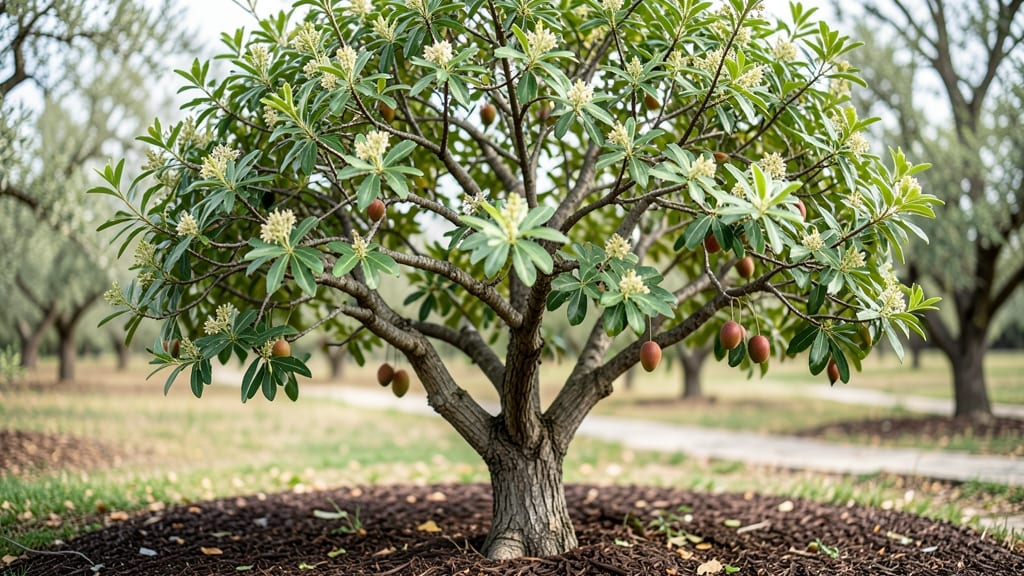
If you’re wondering how tall do jujube trees grow, the answer might surprise you—these resilient 🌳 trees can stretch from compact backyard shrubs to towering giants, depending on the variety.
Whether you’re dreaming of a small patio tree or a sprawling orchard, understanding their growth potential is key to planning your garden layout.
Standard jujube varieties often reach heights of 15–30 feet, making them a statement piece in larger landscapes. But don’t worry if space is limited—dwarf varieties stay between 8–12 feet, perfect for containers or tight urban gardens.
The right choice can turn a jujube tree into your next low-maintenance fruit-bearing centerpiece.
What you’ll discover here is how to pick the perfect size for your space, plus pruning tips to control growth naturally. From climate influences to spacing tricks, we’ll cover everything you need to know before planting. Ready to transform your yard with this versatile tree?
Let’s break down the differences between dwarf, standard, and giant varieties so you can make the best decision for your garden—no guesswork required.

Jujube tree height by variety: dwarf vs standard vs giant sizes
Jujube trees (Ziziphus jujuba) are stunning ornamental and fruit-bearing trees, but their mature height can vary dramatically depending on the variety.
If you're planning your garden layout, knowing these differences is crucial. Standard varieties like 'Lang' can reach 20–30 feet tall, while dwarf varieties like 'Chu Li' stay compact at just 8–12 feet. This range means jujubes can fit in everything from urban patios to rural orchards.
Your choice of variety directly impacts pruning needs, fruit production, and even container gardening potential. For example, 'Yan Li' grows to 15–25 feet, making it ideal for medium-sized yards, while 'Li' can top out at 30 feet—perfect for large estates but overpowering for small spaces.
Let’s break down the specifics to help you pick the right fit.
🌱
| Variety | Mature Height | Growth Rate | Best For |
|---|---|---|---|
| 'Lang' | 20–30 ft | Moderate (1–2 ft/year) | Large gardens, orchards |
| 'Li' | 25–35 ft | Fast (2–3 ft/year) | Rural properties, windbreaks |
| 'Yan Li' | 15–25 ft | Moderate (1–2 ft/year) | Medium yards, urban edges |
| 'Chu Li' | 8–12 ft | Slow (1 ft/year) | Containers, small patios |
Dwarf varieties like 'Chu Li' are perfect if you're limited to containers or small yards. Their slower growth rate also means less frequent pruning, which is great for busy gardeners. Meanwhile, standard varieties like 'Lang' offer higher fruit yields but require more space and maintenance.
If you're in a windy climate, taller varieties like 'Li' can also serve as natural windbreaks.
Another key factor is root spread. Even dwarf varieties can spread 10–15 feet wide, so always account for that in your planting plan. For example, 'Yan Li' might fit in a 10x10-foot garden bed but would need pruning to stay within bounds.
Always check the USDA hardiness zone for your area—most jujubes thrive in zones 6–9, but height potential can shift slightly based on climate.
🌿
If you're growing jujubes for fruit production, taller varieties generally yield more, but dwarf trees produce earlier and more reliably in containers. For instance, 'Chu Li' can bear fruit in 3–4 years versus 5–7 years for 'Lang'.
This makes dwarf varieties ideal for urban gardeners or those with limited space. Just be prepared to hand-pollinate if you're growing a single tree, as jujubes rely on cross-pollination for optimal fruit set.
For ornamental purposes, height and shape matter most. 'Li' varieties have striking, spreading canopies, while 'Chu Li' stays neat and compact. If you're planting near a fence or building, always leave at least 10 feet of clearance for standard varieties to avoid overgrowth issues.
Pruning young trees to encourage a strong central leader will also help manage height over time.
🪴
One common mistake is assuming all jujubes grow the same size. I once planted a 'Lang' variety in my backyard oasis without researching its mature height—only to realize it would outgrow the space within a decade! Always measure your available area and choose a variety that fits.
If you're unsure, start with a dwarf grafted onto a standard rootstock—this gives you control over height while still benefiting from the root system of a larger tree.
Finally, consider your long-term goals. If you plan to sell fruit or gift neighbors, a larger tree may be worth the extra space. But if you're growing for personal use, a dwarf variety in a pot on your patio could be just as rewarding—and far easier to manage.
Either way, jujubes are a fantastic addition to any garden, provided you pick the right size for your space!
Jujube tree height by variety: dwarf vs standard vs giant sizes
Jujube trees (Ziziphus jujuba) are stunning ornamental and fruit-bearing trees, but their mature height can vary dramatically depending on the variety you choose. If you're planning your garden layout, knowing these differences is key—some varieties stay compact enough for small yards, while others need spacious orchards to thrive.
Let’s break down the most popular types and their growth potential.
Standard jujube varieties like 'Lang' and 'Li' typically reach heights of 20–30 feet at maturity, making them better suited for rural properties or large gardens. These giants can even dwarf a two-story house, so don’t expect them to fit neatly into urban backyards.
On the other hand, dwarf varieties like 'Chu Li' and 'Yan Li' max out around 8–12 feet, perfect for containers or small-space gardening.
Here’s a quick comparison to help you visualize the differences and pick the right fit for your space:
| Variety | Mature Height | Growth Rate | Best For |
|---|---|---|---|
| 'Lang' | 20–30 ft | Moderate (1–2 ft/year) | Orchards, rural gardens |
| 'Li' | 15–25 ft | Fast (2–3 ft/year) | Large backyards, windbreaks |
| 'Chu Li' | 8–12 ft | Slow (6–12 inches/year) | Containers, small spaces |
| 'Yan Li' | 10–15 ft | Moderate (1–2 ft/year) | Patios, urban gardens |
Climate also plays a role in height—jujubes grown in warmer USDA Zones 7–10 tend to reach their full potential faster, while colder climates may slow growth.
For example, a 'Lang' jujube in Zone 8 might hit 25 feet in 10 years, whereas the same tree in Zone 6 could take 15 years to reach 20 feet.
If you’re eyeing a dwarf variety for your balcony or small garden, remember that even these compact trees need 6–8 feet of clearance for branches to spread. Pruning young trees early can help control height and encourage a bushier shape, which is ideal for fruit production.
For larger varieties, plan to allocate 20+ feet of space between trees to avoid shading and competition.
Choosing the right variety isn’t just about height—it’s also about fruit yield and maintenance. Dwarf varieties like 'Chu Li' produce smaller fruits but are easier to harvest, while standard types yield larger crops but require more upkeep.
Weigh your space, climate, and goals before planting to ensure your jujube tree thrives—and doesn’t outgrow your dreams! 🌳