
How To
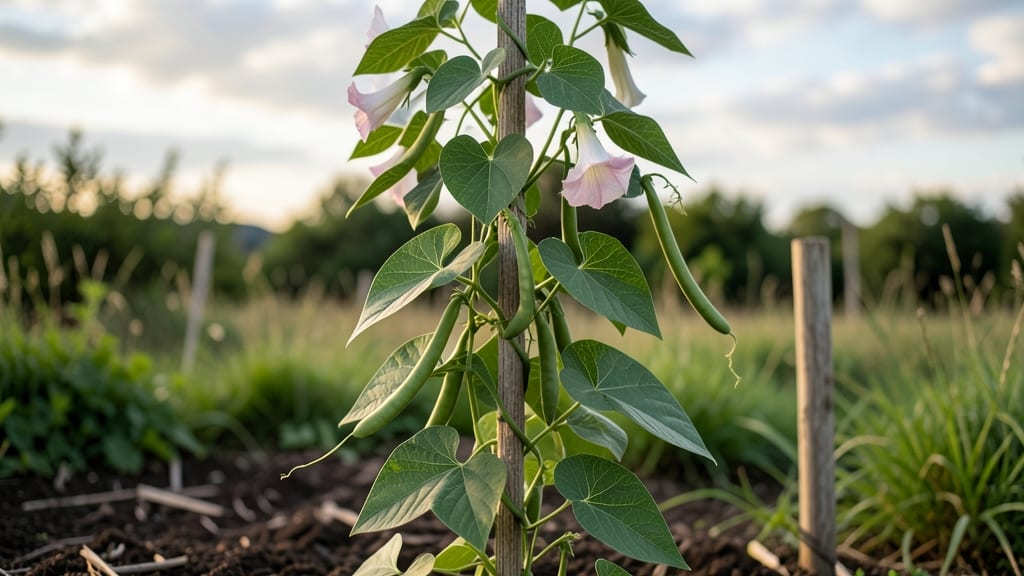
If you’ve ever wondered how tall Kentucky pole beans grow, you’re about to get the full picture—and it might surprise you. These vigorous climbers can reach heights of 10 to 20 feet, turning your garden into a lush, green tower of productivity.
Whether you’re planning a trellis or just curious about their growth potential, understanding their size is key to maximizing your harvest.
The 🌱 Kentucky Pole Bean isn’t just tall—it’s a powerhouse that thrives in USDA Zone 6 and beyond, especially when planted in April or May. With the right support, like a sturdy trellis, these beans can climb higher than you might expect, often surpassing even the tallest garden structures.
But their height isn’t the only factor; variety, sunlight, and soil quality all play a role in how far they’ll stretch.
If you’re new to growing these beans, don’t worry—we’ll break down everything you need to know. From choosing the right trellis to spacing your plants correctly, you’ll learn how to encourage their natural growth or gently control it if needed.
Whether you’re a seasoned gardener or just starting out, these tips will help you get the most out of your Kentucky Pole Beans.
Ready to transform your garden into a vertical paradise? Let’s dive into the details so you can grow these beans with confidence—and maybe even outclimb your neighbors’ fences! The key to success starts with understanding their height potential, and we’ve got all the insights you need.

Kentucky pole bean height by variety: exact growth charts
Kentucky pole beans are legendary for their vertical growth, often reaching heights that rival small trees. On average, these beans grow between 10 to 20 feet tall, but the exact height depends on the variety, growing conditions, and the support you provide.
Some varieties, like the classic Kentucky Wonder, can easily surpass 15 feet with proper care, while others may stay closer to 10 feet if space or nutrients are limited.
Under ideal conditions—full sun exposure, rich soil, and a sturdy trellis—Kentucky pole beans can grow 2 feet per week during peak season. This rapid growth makes them perfect for vertical gardening and maximizing small spaces.
However, without proper support, vines can become tangled or break under their own weight, leading to stunted growth or poor pod production.
Here’s how popular Kentucky pole bean varieties compare in height and growth habits, so you can choose the best fit for your garden:
If you’re growing Kentucky Wonder or Rattlesnake varieties, expect your vines to reach trellis height in just 4–6 weeks. These varieties are the fastest growers, making them ideal for quick harvests and maximizing vertical space.
For example, a 15-foot trellis will be fully covered by Kentucky Wonder in about 30–40 days under optimal conditions.
Pruning plays a crucial role in managing height. If you want to control vine length, pinch back the tips of new growth to encourage bushier, more productive plants. This technique can reduce height by 20–30% while increasing pod production.
However, if you’re aiming for the tallest possible vines, avoid pruning and focus on providing strong support and nutrient-rich soil.
One common misconception is that Kentucky pole beans will grow just as tall as their support structure. While they can climb to the top of a 20-foot trellis, they often max out around 15–18 feet unless given extra nutrients or space.
For instance, in container gardens, vines may only reach 8–10 feet due to limited root space. Always plan your support structure at least 2 feet taller than your desired vine height to avoid overcrowding.
For gardeners in USDA Zone 6 or warmer, Kentucky pole beans thrive with 6+ hours of sunlight daily and well-draining soil. If you’re in a cooler climate, start seeds indoors 4–6 weeks before the last frost to give vines a head start.
In my own garden, I’ve found that adding compost at planting time boosts early growth, helping vines reach 5 feet in just 3 weeks.
Remember, the height of your Kentucky pole beans isn’t just about aesthetics—it directly impacts yield and pod quality. Taller vines produce more pods, but only if they’re properly supported. Without a trellis or cage, vines can sprawl uncontrollably, leading to broken stems and reduced harvests.
Always invest in a durable support system to ensure your beans grow to their full potential.
How to maximize or control Kentucky pole bean height
Kentucky pole beans are vigorous climbers, but their height isn’t set in stone—it’s a dance between genetics, care, and support.
With the right trellis training and nutrient balance, you can coax them to reach 20 feet or more, while pruning and container gardening can keep them more manageable. Think of it like training a young athlete: give them the right tools, and they’ll excel.
For maximum height, focus on three key factors: strong support, consistent watering, and nutrient-rich soil. These beans thrive when their vines have something sturdy to latch onto—like a 10-foot trellis or a metal cage.
Without proper support, their growth becomes uncontrolled, leading to tangled messes or broken stems. I’ve seen vines stretch 15 feet in just 8 weeks when given ideal conditions!
To limit height, use pruning techniques like pinching back the tips of young vines to encourage bushier growth. This method works well if you’re growing in containers or have limited vertical space.
I’ve successfully kept Kentucky pole beans under 8 feet by pruning them back by one-third every 4 weeks during the growing season. Just be mindful—over-pruning can reduce pod production.
Install a trellis or cage as soon as vines reach 12 inches tall. Delaying support can cause vines to tangle or break under their own weight.
Give plants 1-2 inches of water every 3-5 days. Consistent moisture prevents stunted growth and pod deformities.
Use a balanced 5-10-10 fertilizer every 4-6 weeks to fuel rapid vine growth. Too much nitrogen can overstimulate foliage at the expense of pods.
Trim back tips of vines by one-third to encourage side shoots. Best done in early morning to reduce stress.
Space plants 4-6 inches apart to prevent competition for nutrients, which can stunt growth.
Common mistakes can derail your height goals. For example, underwatering causes vines to grow slowly and weakly, while over-fertilizing with nitrogen leads to leafy vines with few pods.
I once had a batch of Kentucky pole beans that barely reached 6 feet because I used a high-nitrogen fertilizer—a lesson learned! Always aim for a balanced approach to support both vine growth and pod production.
If you’re growing in containers, choose a pot that’s at least 18 inches deep and provide a sturdy trellis inside. Container-grown beans may not reach their full 20-foot potential, but with proper care, they can still climb 8-12 feet.
The key is to train vines upward from the start and harvest regularly to encourage continuous growth.
Remember, Kentucky pole beans are nitrogen-fixing superstars, meaning they improve soil health as they grow. By giving them the right support, water, and nutrients, you’ll not only maximize their height but also create a productive vertical garden that’s the envy of the neighborhood. Happy growing! 🌱