
Trees
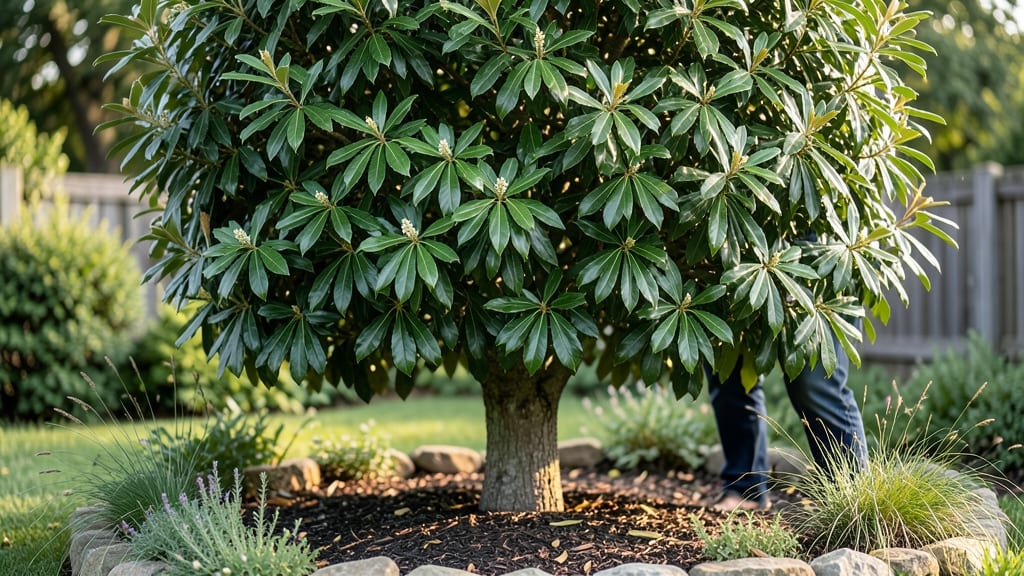
If you’ve ever wondered how tall do laurel trees grow in your backyard, the answer might surprise you. These evergreen giants—like the classic Laurus nobilis or the fast-growing Prunus laurocerasus—can tower anywhere from 10 feet to over 50 feet, depending on the variety and growing conditions.
But here’s the good news: with the right pruning techniques, you can keep these 🌿 beauties at a manageable height, whether you’re aiming for a neat hedge or a small tree. The key lies in understanding how different species grow and when to trim for optimal control.
In this guide, I’ll break down the height ranges of popular laurel varieties, share expert tips for pruning like a pro, and help you avoid common mistakes that let them grow out of control.
Whether you’re working with a 6a zone climate or a cozy urban garden, you’ll learn how to shape your laurel tree to fit your space perfectly.
Ready to transform a potential space hog into a stunning, well-behaved centerpiece? Let’s dive into the secrets of managing laurel tree height—so you can enjoy their lush foliage without the towering headaches.

Laurel tree height guide: from dwarf varieties to towering giants
Laurel trees are a gardener’s dream for year-round greenery, but their mature height can vary wildly depending on the species and variety. Whether you’re planning a privacy hedge or a statement tree, knowing these heights helps you avoid surprises.
Some laurel trees stay compact, while others can dwarf even the tallest gardeners—literally! Let’s break down the height ranges so you can pick the perfect fit for your space.
First, the bay laurel (Laurus nobilis), the classic kitchen herb tree, typically grows 10–20 feet tall in ideal conditions. It’s a moderate grower, reaching its mature height in about 10–15 years.
If you’re dreaming of a smaller bay laurel, dwarf varieties like ‘Angustifolia’ max out at 8–12 feet, making them perfect for containers or small gardens. These compact options won’t overshadow your patio furniture!
Now, let’s talk cherry laurel (Prunus laurocerasus), the heavyweight champion of laurel trees. This evergreen can soar to 20–50 feet tall if left unchecked—think two-story house height!
Varieties like ‘Rotundifolia’ stay shorter at 15–25 feet, while ‘Otto Luyken’ is a hedge superstar, growing just 6–10 feet tall but wide, ideal for formal landscapes. Mountain laurel (Kalmia latifolia), though not a true laurel, often gets grouped in these conversations.
It’s a shrubby giant, reaching 10–15 feet tall with a spread of 10–15 feet, perfect for woodland gardens.
| Variety | Mature Height | Growth Rate | Best For |
|---|---|---|---|
| Bay Laurel (Laurus nobilis) | 10–20 ft | Moderate (1–2 ft/year) | Herb gardens, small yards |
| Dwarf Bay Laurel ('Angustifolia') | 8–12 ft | Slow (6–12 in/year) | Containers, patios |
| Cherry Laurel (Prunus laurocerasus) | 20–50 ft | Fast (2–3 ft/year) | Privacy screens, large estates |
| Otto Luyken Laurel | 6–10 ft | Moderate (1 ft/year) | Hedges, formal gardens |
| Mountain Laurel (Kalmia latifolia) | 10–15 ft | Slow (6–12 in/year) | Shady woodland areas |
If you’re planning a laurel hedge, the Otto Luyken variety is your best bet. Its dense, bushy growth and manageable height make it ideal for topiary and formal gardens.
For a wild, natural look, let a mountain laurel or standard cherry laurel grow freely—they’ll create a lush, layered backdrop for your garden. Just remember, these trees need space to breathe; planting them too close can lead to crowded roots and stunted growth.
Your local climate also plays a huge role in how tall your laurel tree grows. In warmer zones (USDA 7–10), cherry laurels can grow 30% faster than in cooler regions (USDA 6–7).
If you’re in a northern climate, expect slower growth but still impressive heights over time. Pruning in late winter encourages taller growth, while summer pruning keeps the tree compact and bushy. Always use sterilized tools to prevent disease spread!
For container gardening, stick to dwarf varieties like ‘Angustifolia’ or ‘Otto Luyken’. These thrive in large pots (20+ gallons) with well-draining soil. Just be prepared to prune regularly—laurel trees in containers can get root-bound quickly, leading to stunted growth or legginess. If you’re growing a
Pruning laurel trees to control height: step-by-step techniques
Laurel trees can grow unpredictably tall if left unchecked, but with the right pruning techniques, you can keep them at your desired height. The key is timing, tools, and knowing which branches to trim. Start by identifying the main structural branches—these are your guides for shaping the tree.
Prune laurel trees in late winter or early spring before new growth begins. This ensures you’re not cutting back fresh shoots that could support the tree’s energy. Avoid pruning in fall or winter when the tree is dormant, as this can stress it unnecessarily.
Use sharp, clean pruning shears or a pruning saw for thicker branches. Disinfect your tools with rubbing alcohol to prevent spreading diseases between cuts. Always make cuts just above a bud or branch collar to promote faster healing.
Step-by-Step Pruning Guide for Laurel Trees
- Step 1: Remove dead or diseased branches first. Look for brown, brittle, or hollow wood—these should be cut back to the main trunk.
- Step 2: Thin out overcrowded branches to improve airflow. Aim to reduce density by about 20-30% for better light penetration.
- Step 3: Trim suckers or water sprouts—these are fast-growing shoots that drain the tree’s energy. Cut them at the base.
- Step 4: Shape the tree by shortening outer branches to control height. Never cut more than 1/3 of the branch length at once.
- Step 5: Clean up fallen debris and dispose of it away from your garden to prevent pests or fungal growth.
After pruning, monitor your laurel tree closely for signs of stress, like yellowing leaves or slow regrowth. If you’ve cut too aggressively, the tree may take longer to recover. Water deeply after pruning to help it bounce back.
For hedge-shaped laurel trees, use a string trimmer or hedge shears to maintain a uniform look. Prune hedges every 4-6 weeks during the growing season to keep them tidy. Always step back and assess the shape—this helps you avoid over-pruning.
Remember, patience is key. Laurel trees respond well to gradual pruning. If you’re aiming for a dwarf variety, focus on trimming the top growth annually to encourage bushier, shorter growth. With consistent care, your laurel tree will stay healthy and manageable for years to come. 🌿