
How To
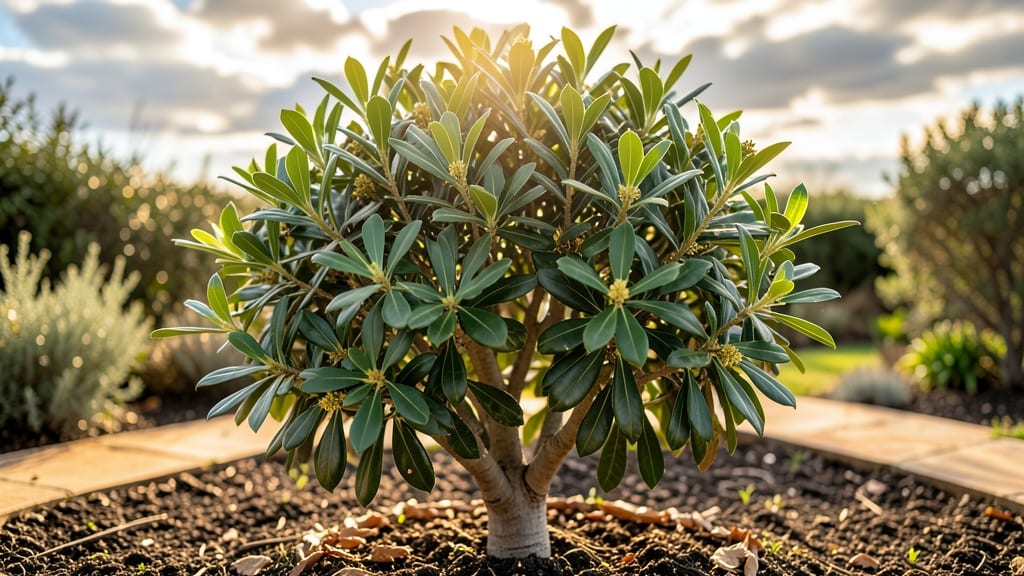
If you’ve ever wondered how tall does laurel grow, the answer depends on the type—and your pruning skills. Laurel plants can range from a modest 6 feet to a towering 50 feet, with some varieties growing faster than others.
Whether you’re planning a privacy hedge or a culinary herb garden, knowing the mature height of your laurel is key. Some species, like English laurel, stay smaller, while others, like cherry laurel, can become small trees over time.
The good news? With the right pruning techniques, you can shape your laurel to fit your space—no matter how tall it’s meant to grow.
In this guide, I’ll break down the exact heights of different laurel types, share pruning tricks to control growth, and help you avoid common mistakes that make your laurel shoot up uncontrollably.
By the end, you’ll know exactly how to manage your laurel’s size—whether you want a neat hedge or a statement shrub.
Ready to take the guesswork out of laurel growth? Let’s dive into the details so you can enjoy a perfectly sized, healthy plant year-round.

Laurel tree height by species: exact growth ranges and mature sizes
Laurel plants—whether you’re growing cherry laurel, English laurel, or bay laurel—can reach heights that range from a compact shrub to a towering tree. The species you choose determines everything from your garden’s vertical layout to how much pruning you’ll need to keep it manageable.
For example, a standard cherry laurel can dwarf your two-story house, while a dwarf bay laurel stays neatly within a small yard’s boundaries.
Understanding these height variations is key to planning. A mature cherry laurel (Prunus laurocerasus) often tops out at 20–50 feet, while the bay laurel (Laurus nobilis) typically stays between 10–20 feet unless left unpruned.
Even within the same species, cultivars like ‘Rotundifolia’ or ‘Angustifolia’ can shrink growth by half, making them perfect for hedges or small gardens.
The growth rate also varies: younger laurels grow 2–4 feet per year, while established plants may add just 1–2 feet annually. This means a 10-foot hedge could take 3–5 years to reach maturity, depending on soil quality and sunlight.
Planning for this timeline ensures you don’t end up with an unruly giant when you’d rather have a tidy, controlled shape.
Here’s the critical data you need to match your laurel’s height to your garden’s needs:
| Variety | Mature Height | Spread | Growth Rate | Best For |
|---|---|---|---|---|
| Cherry Laurel (Prunus laurocerasus) | 20–50 ft | 10–20 ft | 2–4 ft/year (young) | Trees, large hedges |
| Bay Laurel (Laurus nobilis) | 10–20 ft | 8–12 ft | 1–2 ft/year (mature) | Culinary, small trees |
| Dwarf Bay Laurel (‘Angustifolia’) | 6–10 ft | 4–6 ft | 6–12 in/year | Small gardens, pots |
| Portuguese Laurel (Prunus lusitanica) | 15–30 ft | 10–15 ft | 1–3 ft/year | Hedges, privacy screens |
| Mountain Laurel (Kalmia latifolia) | 10–15 ft | 8–12 ft | 6–12 in/year | Shade gardens, ornamental |
If you’re planting a laurel hedge, spacing is everything. For a 10-foot-tall hedge, space plants 3–4 feet apart to allow room for lateral growth.
For taller varieties like cherry laurel, stretch that to 5–6 feet to avoid overcrowding. Overcrowding leads to competition for nutrients, which slows growth and weakens the plant’s structure—exactly what you want to avoid if you’re aiming for a dense, healthy barrier.
One of the biggest misconceptions is that laurels grow uniformly. In reality, cherry laurel often develops a pyramidal shape, while bay laurel stays bushier. This affects how you’ll need to prune.
For instance, a pyramidal laurel might need top-heavy pruning to maintain its natural form, whereas a round laurel hedge benefits from horizontal layering** to encourage width.
For small-space gardens, consider dwarf varieties like ‘Rotundifolia’ or ‘Angustifolia’. These stay under 10 feet and are perfect for containers or tight corners. Even standard varieties can be kept in check with regular pruning, which we’ll cover in the next section.
The key is to start with the right variety for your space—and then give it the care it needs to stay the size you want.
Pro tip: If you’re using laurel for culinary purposes (like bay leaves), prioritize bay laurel varieties. Their leaves are more aromatic and easier to harvest without damaging the plant. Just avoid heavy pruning on young plants, as this can reduce leaf production for the first few years.
🌿
How to control laurel growth height with pruning: step-by-step tricks
Laurel plants grow fast—sometimes too fast—but pruning is your secret weapon to keep them at your desired height. Whether you’re shaping a 6-foot hedge or trimming a 20-foot tree, timing and technique matter.
The key is to prune at the right time of year and use the correct cutting methods to encourage bushier growth or maintain a specific shape.
For most laurel varieties, the best time to prune for height control is late winter or early spring, just before new growth begins. This ensures you’re not cutting back fresh foliage needed for photosynthesis.
Avoid heavy pruning in summer or fall, as this can stress the plant and make it more vulnerable to disease.
Here’s my step-by-step guide to pruning laurel for height control, whether you want a compact shrub or a tall, narrow tree.
- 📏 Assess your goal: Decide if you want a formal hedge (3–6 ft), a semi-dwarf tree (10–15 ft), or a tall specimen (20+ ft). This determines how aggressively you prune.
- ✂️ Use sharp, clean tools: Prune with bypass pruners or a hand saw for thicker branches. Always sterilize tools with rubbing alcohol to prevent disease.
- 🌱 Prune for shape: For a neat hedge, cut the top evenly. For a natural look**, trim selectively to encourage branching. Never remove more than 1/3 of the foliage in one season.
- 🌳 Encourage bushiness: Cut just above a leaf node (the bump where leaves grow) to promote new shoots. Avoid cutting into old wood, or you’ll stunt growth.
- 🌿 Revive overgrown laurels: If your laurel has grown too tall, prune back 1/3 of the height in stages over 2–3 years. This prevents shock and allows the plant to recover.
- 💧 Water and fertilize after pruning: Give your laurel a deep watering and apply a balanced fertilizer (10-10-10) to support new growth.
If you’re pruning a mature laurel tree (10+ ft tall), consider using a pole pruner or hiring a professional for safety. Always wear gloves—laurel leaves can be sharp, and some varieties (like cherry laurel) have thorns.
Pro tip: Prune cherry laurel (a popular ornamental type) in two stages—first in late winter for shape, then again in summer to tidy up any wild growth. This keeps it looking polished without stressing the plant.
With consistent pruning, you can keep your laurel at any height you want—whether it’s a low hedge or a tall privacy screen. Just remember: patience is key. Over-pruning can weaken the plant, so always go slow and monitor its response.