
Flowers
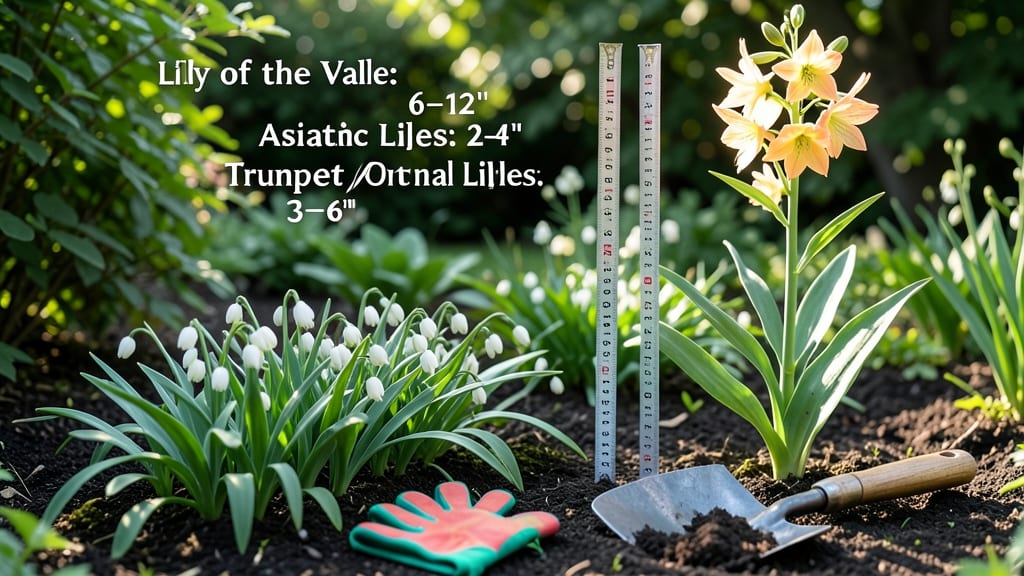
Wondering how tall do lily plants grow before you commit to planting them? You might be surprised to learn these elegant 🌸 beauties can range from compact 1-foot wonders to towering 6-foot giants—depending on the variety you choose.
If you're planning your garden layout, understanding these height differences is the key to creating a balanced, thriving space. Some lilies stay humble enough for container gardens, while others demand serious vertical real estate. The right spacing now means fewer crowded plants and more dramatic blooms later.
Let me show you exactly which varieties stay short and which reach for the sky, plus the simple tricks to keep them growing strong. Whether you're working with USDA Zone 6a conditions or just love experimenting with different heights, you'll find the perfect fit for your garden vision.
From dwarf Asiatics to sky-reaching Orientals, we'll cover everything you need to know to plant with confidence. Ready to transform your garden with these stunning vertical accents?

Lily plant height guide by variety: from dwarf to giant species
When planning your garden, understanding lily plant heights helps you visualize their impact and plan spacing accordingly. Lilies range from compact dwarf varieties to towering giants that reach over 6 feet. The variety you choose determines not just height but also bloom time, fragrance, and care needs.
As a gardener who’s planted everything from tiny patio containers to backyard borders, I’ve learned that lilies aren’t one-size-fits-all. Some varieties stay under 2 feet, perfect for window boxes, while others shoot up like garden skyscrapers, demanding sturdy supports.
Let’s explore the height ranges of popular lily types so you can pick the perfect fit for your space.
🌱 Did You Know? The tallest recorded lily, Lilium regale (Regal Lily), can exceed 7 feet in ideal conditions—but even standard varieties often surpass 5 feet when given proper care.
Lily Height Spectrum
From 1-foot dwarfs to 7-foot giants, lilies offer height diversity for every garden.
Here’s a breakdown of lily plant heights by category, including my top picks for each size class based on years of trials in my garden:
For container gardening, I recommend dwarf Asiatics like ‘Little Chickadee’ (1.5 ft) or Martagon hybrids, which stay under 3 feet when pruned.
In my raised beds, Oriental lilies like ‘Stargazer’ reach 5–6 feet and create a stunning vertical display when planted near sun-loving perennials like delphiniums.
If you’re working with limited space, consider daylilies (Hemerocallis), which are often mistaken for true lilies but stay between 2–3 feet. Their prolific blooming makes them ideal for front-of-border plantings where height isn’t a priority.
Pro tip: Soil fertility and sunlight exposure directly impact height. My Oriental lilies in full sun with compost-amended soil grow 1–2 feet taller than those in partial shade. Always plant bulbs 4–6 inches deep to encourage strong root development for taller varieties.
🌿 For tall lilies (4+ feet), I stake them early
Optimal spacing for lily plants based on height and growth habits
Proper spacing is the secret to growing healthy, thriving lilies that reach their full height potential. Crowding not only stunts growth but also invites disease and pests by trapping moisture.
For dwarf varieties (1-2 ft), I recommend spacing bulbs 6-8 inches apart—this gives them room to spread while maintaining a tidy look in containers or borders.
When planting standard lilies (4-6 ft), aim for 12-18 inches between bulbs. This spacing prevents competition for nutrients and allows stems to develop strong, upright structures.
In my raised beds, I often place them in 3-foot-wide rows with 18-inch spacing, creating a natural, flowing rhythm that’s perfect for cutting gardens.
🌱 Lily Spacing Guide by Variety
| Variety | Mature Height | Spacing (Bulbs) | Best For |
|---|---|---|---|
| Dwarf Asiatics | 1-2 ft | 6-8 inches | Containers, borders |
| Semi-Dwarf Trumpets | 2-3 ft | 10-12 inches | Cutting gardens |
| Standard Orientals | 4-6 ft | 18-24 inches | Backyard borders |
| Giant Martagons | 5-7 ft | 24-36 inches | Woodland gardens |
For giant lilies (5-7 ft), I’ve learned the hard way that 24-36 inches of space is non-negotiable. These towering beauties need room to develop deep root systems and sturdy stems.
In my community garden plots, I dedicate entire sections to these varieties, often pairing them with low-growing perennials like hostas or ferns to create a layered effect.
Don’t forget to consider sunlight access when spacing. Tall lilies cast long shadows, so place shorter varieties or sun-loving companions like lavender or catmint on the north or east side.
I once made the mistake of planting daylilies too close to my 6-foot Oriental lilies, and the daylilies struggled to bloom—until I rearranged them with proper spacing.
When planting in containers, use at least one 10-inch pot per dwarf lily or two 14-inch pots for standard varieties. Grouping 3-5 bulbs together creates a lush, natural look while ensuring each plant has enough room to thrive.
For container gardening, I always include a drainage layer and well-draining potting mix to prevent bulb rot—a lesson learned after losing a prized Trumpet lily to soggy soil.
Finally, remember that soil quality affects growth height. Amend your soil with compost or aged manure to encourage strong root development.
In my raised beds, I mix in a 50/50 blend of garden soil and compost, which helps lilies reach their full height potential while minimizing the need for staking. With the right spacing and care, your lilies will stand tall and proud all season long! 🌿